Erythritol
What erythritol does as a humectant in skincare, how this sugar alcohol differs from drying alcohols, and what to expect from it.
Extremely safeIn 6 products we cover
We may earn a commission when you buy through links on this page. It never changes what we recommend.
Quick facts
- INCI name
- Erythritol
- CAS number
- 149-32-6
- Origin
- Biotech (fermentation) or Synthetic
- Chemical class
- Sugar alcohol (polyol)
- What it does in a formula
- humectant, skin conditioning
- Why it is in the formula
- It helps attract and retain water in the formula and can contribute to a hydrated skin feel.
What it is
Despite the chemical term alcohol, erythritol is a water-soluble sugar alcohol, or polyol, that functions as a hydrating humectant rather than a drying astringent. It does not evaporate rapidly or strip skin like volatile denatured alcohol. Instead, formulators use it to draw moisture to the skin surface and provide a comfortable, hydrated finish.
It occurs naturally in small amounts in some foods and can be produced through fermentation or other manufacturing methods. The label does not reveal the source. In skincare, erythritol is typically a supporting hydrator alongside other humectants and emollients. It is not a sugar scrub, and it does not mean a product has the same effect as eating the ingredient.
What it does
- Attracts water. As a humectant, erythritol helps bind water in a formula and can support a hydrated skin feel.
- Supports a smooth texture. It can contribute to the way a serum or cream spreads and feels on skin.
- Works as part of a blend. It is often paired with other water-binding ingredients and emollients rather than used as a solo moisturizer.
Who it suits
Erythritol is a helper ingredient that may appear in hydrating products for many skin types. It is not a must-have active, and you do not need to seek it out if a moisturizer you already like keeps your skin comfortable. If your skin is very dry, a humectant-only serum may not feel sufficient on its own; a cream containing emollients can give a more complete moisturizing feel.
The word alcohol can cause confusion, but erythritol is a sugar alcohol and is not the drying type some people prefer to avoid. That distinction does not guarantee that every formula containing it will suit you, since the other ingredients matter too. If you have sensitive skin, patch-test a new leave-on formula and stop using it if it causes persistent discomfort.
What to pair it with, and what not to
Erythritol can be part of a hydrating step with ingredients such as glycerin or hyaluronic acid, followed by a moisturizer if needed. There is no known pairing you need to avoid. Follow product directions and choose layers based on how your skin feels.
Skin Realist check: The word alcohol has a confusing guest list. This sugar alcohol has a hydration job, not the quick-drying reputation of its shorter-chain namesakes.
Quick picks with Erythritol
Scent-free, no patch-test flags on the label
COSRX The Alpha-Arbutin Discoloration Care Hydrogel Mask
Alpha-Arbutin · scent-free label
Amazon

All 6 products with Erythritol
Sheet, Hydrogel & Clay Masks (2)

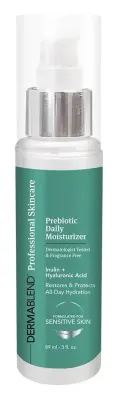
Daily Moisturizers & Water Gel Creams (2)

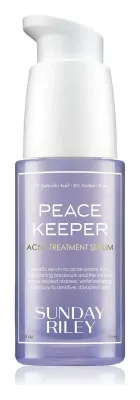
Dermatological Acne & Chemical Exfoliating Liquids (1)
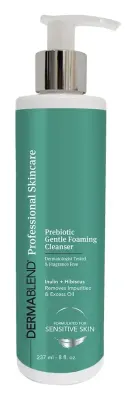
Gel, Foam & Cream Facial Cleansers (1)
Common questions
What does erythritol do in skincare?
It is a humectant that helps attract water and can contribute to a hydrated feel. It is usually a supporting ingredient rather than the main reason to buy a product.
Is erythritol a drying alcohol?
No. Erythritol is a sugar alcohol, or polyol, and functions as a humectant. It is chemically different from volatile alcohols used as solvents in some products.
Is erythritol natural?
It occurs in some foods and can be produced by fermentation or other manufacturing routes. The ingredient label does not specify the source used in a cosmetic.
Can erythritol replace a moisturizer?
No single humectant necessarily replaces a moisturizer. A comfortable formula may combine water-binding ingredients with emollients that soften skin and help reduce water loss.