Ethylhexyl Olivate
How ethylhexyl olivate helps soften and spread a cosmetic formula, and what its olive-derived name says about sourcing.
Extremely safeIn 5 products we cover
We may earn a commission when you buy through links on this page. It never changes what we recommend.
Quick facts
- INCI name
- Ethylhexyl Olivate
- Origin
- Plant-derived or Synthetic
- Chemical class
- Fatty-acid ester emollient
- What it does in a formula
- emollient, skin conditioning, emulsifying
- Why it is in the formula
- It adds a soft emollient feel and may help oils and water-based ingredients combine.
What it is
Under the INCI name Ethylhexyl Olivate, this cosmetic ester combines fatty-acid components of olive oil with 2-ethylhexanol to provide skin-softening emollience. It is a processed ingredient rather than raw culinary olive oil. While its name indicates an olive-derived foundation, it does not certify raw material sourcing or manufacturing chains.
The ingredient is used as an emollient and may contribute to emulsification in a cream or lotion. It can help a product spread and leave skin feeling soft. It is a helper ingredient rather than an active with a specific, well-established skin benefit.
What it does
- Softens skin. As an emollient ester, it can smooth the skin’s surface feel.
- Improves spreadability. It can help a formula glide more evenly during application.
- Supports emulsions. It may contribute to blending oily and water-based parts of a product.
- Changes the finish. The amount and surrounding ingredients determine whether a product feels light or rich.
Who it suits
Ethylhexyl olivate may suit people who enjoy a soft, emollient finish. Whether it feels comfortable on oily, dry or combination skin depends on the whole formula. The presence of an olive-derived ingredient does not guarantee that the product is non-greasy, natural or suitable for every skin type.
There is no universal comedogenic number that predicts how a finished product behaves for each person. If you tend to clog, introduce a new leave-on product cautiously and observe your own response. If you know you react to a particular ingredient, check the full list or ask the manufacturer for clarification about sourcing. Stop using a product that causes persistent discomfort.
What to pair it with, and what not to
It does not need a special active alongside it. It may already be combined with humectants, oils and emulsifiers in a moisturizer. Choose the product based on its texture and intended use rather than trying to add the ester separately.
Skin Realist check: A pleasant texture is a completely reasonable thing to want from a moisturizer.
Quick picks with Ethylhexyl Olivate
Scent-free, no patch-test flags on the label
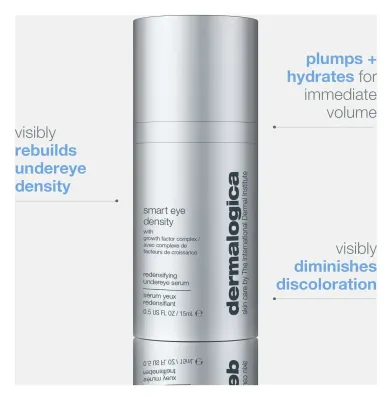
Dermalogica smart eye density undereye serum
Niacinamide, hexapeptide-11, oligopeptides, fermented polyglutamic acid, rye seed extract, and CoQ10 · scent-free label
Amazon
All 5 products with Ethylhexyl Olivate
Daily Moisturizers & Water Gel Creams (2)


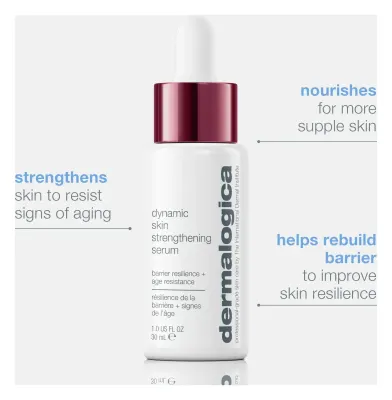
Anti-Aging & Retinoid Serums (1)
Eye Creams & Under-Eye Patches (1)
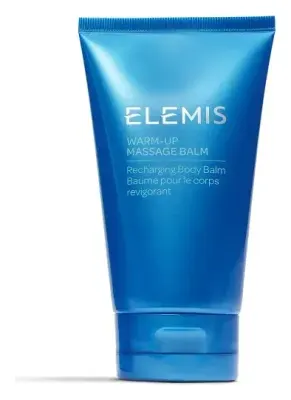
Body Creams, Butters & Body Oils (1)
Common questions
What does Ethylhexyl Olivate do?
It is an emollient ester used to soften skin and improve the spread of a product. It can also help support emulsification in some formulas.
Is Ethylhexyl Olivate made from olive oil?
The olivate portion indicates an olive-derived fatty-acid source, but the ingredient is chemically processed and the label does not confirm the exact sourcing chain. Ask the manufacturer if the origin matters.
Is Ethylhexyl Olivate an oil?
It is an ester made from fatty-acid components rather than a whole plant oil. Its texture and role can differ from olive oil itself.
Is Ethylhexyl Olivate comedogenic?
There is no reliable score that predicts whether every finished product will clog pores. The complete formula and individual skin response matter more than a single ingredient name.