Glyceryl Oleate
What glyceryl oleate does in skincare, how it helps soften and blend formulas, and why it is a supporting ingredient.
Extremely safeIn 7 products we cover
We may earn a commission when you buy through links on this page. It never changes what we recommend.
Quick facts
- INCI name
- Glyceryl Oleate
- Origin
- Plant-derived or Synthetic
- Chemical class
- Glycerol fatty-acid ester
- What it does in a formula
- emollient, emulsifying, surfactant, skin conditioning
- Why it is in the formula
- Glyceryl oleate helps soften skin and supports the blending of oils with water-based ingredients.
What it is
In personal-care formulas, glyceryl oleate serves as an emollient, skin conditioner, and emulsifying helper produced from glycerin and oleic acid. While oleic acid is a common component of plant oils, this processed ester is engineered for emulsion support. It is not the same as applying pure olive oil, and raw material sourcing can vary.
Glyceryl oleate appears in cleansers and creams to adjust skin feel and help ingredients blend. A laboratory study of related glyceryl monooleate does not establish the effects of every product on skin. It is a supporting ingredient, not the reason to buy a product.
What it does
- Softens skin feel. It can add emollience and reduce a dry or squeaky finish.
- Helps ingredients blend. Its surface-active properties can support a formula containing oils and water.
- Conditions cleansing products. It may help a cleanser leave skin feeling less stripped, depending on the overall surfactant blend.
Who it suits
Glyceryl oleate is not an active aimed at one skin type. It may appear in rinse-off or leave-on products, so what you notice depends on the entire formula and how long it stays on the skin. If you want a specific result such as stronger hydration, look for the product’s full blend of humectants and emollients rather than relying on this ingredient alone.
There is no reliable comedogenic score that predicts how a product with glyceryl oleate will affect every person. Products that contain it vary in texture, concentration, and other ingredients. If a cleanser or moisturizer causes discomfort, consider the whole formula and stop using it if the irritation persists. For recurring symptoms, a dermatologist can help you sort out possible triggers.
What to pair it with, and what not to
There is nothing you need to layer with glyceryl oleate. It is already doing its job inside a formula alongside water, oils, or surfactants. Choose the finished product based on how it cleanses or moisturizes, not on this helper alone.
Skin Realist check: The best emollient is often the one quietly making a cleanser or cream feel nicer to use.
Quick picks with Glyceryl Oleate
Brand lists it for sensitive skin
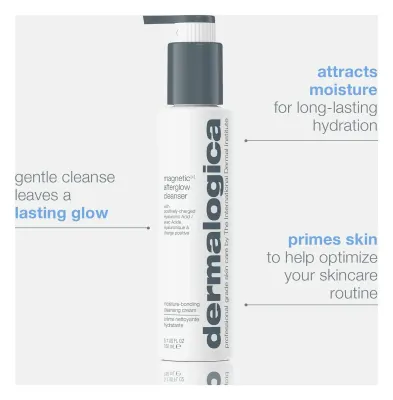
Dermalogica magnetic[+] afterglow cleanser
Positively charged hyaluronic acid, murumuru butter, oat, lotus root extract, and 10% glycerin · oily, dry, combination, sensitive, normal skin · scented
AmazonBrand lists it for oily skin
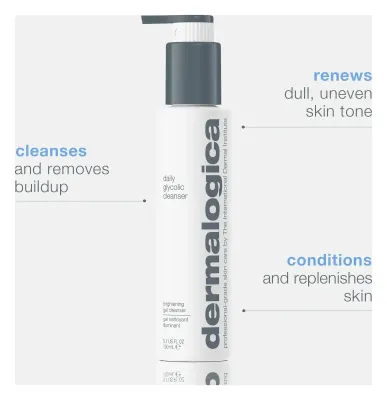
Dermalogica daily glycolic cleanser
Glycolic acid, jojoba seed oil and calendula extract · normal, combination, oily skin · scented
Amazon
All 7 products with Glyceryl Oleate
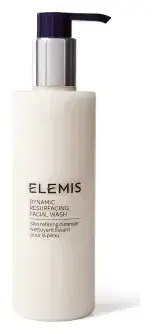
Gel, Foam & Cream Facial Cleansers (4)

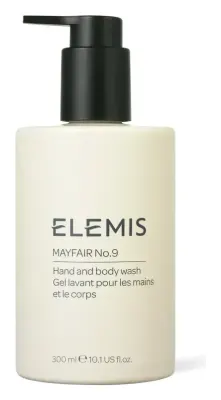
Body Creams, Butters & Body Oils (2)
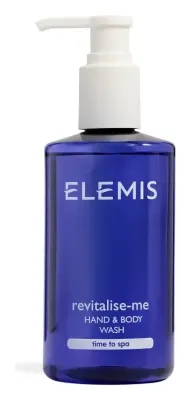
Daily Moisturizers & Water Gel Creams (1)

Common questions
What does glyceryl oleate do in skincare?
It is an emollient and emulsifying ingredient that can soften skin feel and help a product's oily and watery parts blend. It often serves as a formula helper rather than a headline active.
Is glyceryl oleate an oil?
It is an ester made from glycerin and oleic acid, not the same thing as a bottle of pure plant oil. Its properties depend on the formula where it is used.
Why is glyceryl oleate in cleanser?
It can help condition the skin feel of a cleansing formula and contribute to how oils and surfactants behave together. The full cleanser determines how it rinses and feels.
Is glyceryl oleate comedogenic?
Comedogenic ratings are unreliable and cannot predict how every finished product will behave. The overall formula and your own response matter more than a single number.