Glyceryl Polyacrylate
What glyceryl polyacrylate does as a film-forming polymer, how it affects a product's feel, and what limited sensitivity evidence says.
Extremely safeIn 14 products we cover
We may earn a commission when you buy through links on this page. It never changes what we recommend.
Quick facts
- INCI name
- Glyceryl Polyacrylate
- Origin
- Synthetic
- Chemical class
- Polymeric ester
- What it does in a formula
- film forming, viscosity controlling
- Why it is in the formula
- Glyceryl polyacrylate helps form a light film and contributes to a product's texture.
What it is
A synthetic polymer combining polyacrylate chemistry with glycerin-derived units, glyceryl polyacrylate supports cosmetic structure and surface feel. It is not the same as pure glycerin or a form of hyaluronic acid. Formulators use polymers like this to calibrate how serums and creams spread and dry down on skin.
This is a supporting ingredient, not a reason by itself to buy a product. It may contribute to a thin film on the skin or to a smoother feel, but the surrounding formula determines whether the finish is tacky, cushioned or light. Calling it a polymer describes its chemistry; it does not mean the product contains visible plastic beads. Environmental terms such as microplastic have specific definitions that vary by context.
What it does
- Forms a film. A light film can help create a smooth surface feel after application.
- Contributes to viscosity. It can help control how thick or fluid a finished formula is.
- Supports product texture. It works with other ingredients to make a serum or cream spread in a particular way.
- Does not replace moisturizing ingredients. A polymer film is not automatically a humectant or emollient, and the rest of the formula matters.
Who it suits
Glyceryl polyacrylate is not targeted to one skin type. It may be present in products for different users, depending on their texture and formula. Research on related acrylate copolymers found sensitization to be rare, but that does not predict whether any individual will react to a finished product. If you dislike films or tacky finishes, judge the product rather than the ingredient name alone. People who prefer to avoid synthetic polymers can use the label to make that choice. Stop using a product that causes persistent discomfort and review the whole formula.
What to pair it with, and what not to
No special active needs to be paired with glyceryl polyacrylate. It is part of a product’s texture system and can appear alongside humectants, emollients or other polymers. Pick a moisturizer based on the full formula and how it feels rather than adding another product to compensate for one polymer.
Skin Realist check: Invisible scaffolding is still scaffolding. The best formula helper is one you do not have to think about.
Quick picks with Glyceryl Polyacrylate
Scent-free, no patch-test flags on the label
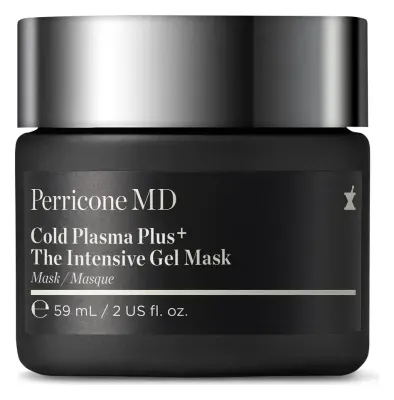
Perricone MD Cold Plasma Plus+ The Intensive Gel Mask
Peptides, phospholipids, sodium hyaluronate, vitamin C ester and Hippophae seed oil · scent-free label
AmazonBrand lists it for sensitive skin
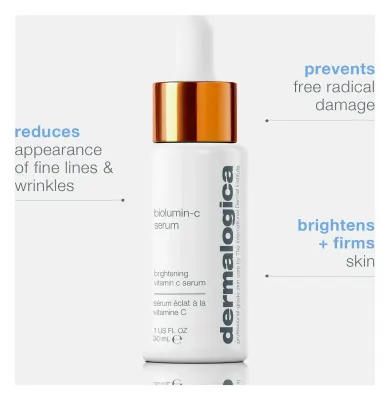
Dermalogica biolumin-c vitamin c serum
Vitamin C · oily, dry, combination, sensitive, normal skin · scented
AmazonBrand lists it for oily skin
Elemis Pro-Collagen Marine Cream for Men
Padina pavonica, ginkgo biloba, and wheat germ oil · combination, dry, normal, oily skin · scented
Amazon
All 14 products with Glyceryl Polyacrylate
Daily Moisturizers & Water Gel Creams (7)
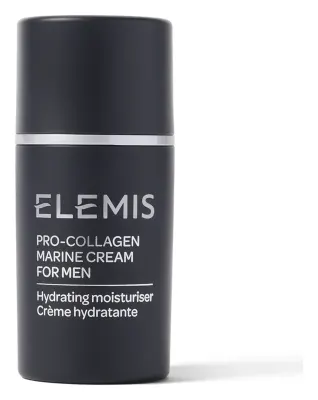 Elemis Pro-Collagen Marine Cream for MenAmazon
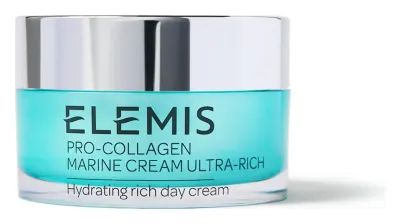 Elemis Pro-Collagen Marine Cream Ultra-RichAmazon
 Elemis Pro-Collagen Night CreamAmazon
 Dermalogica skin smoothing cream moisturizerAmazon
 Elemis ULTRA SMART Pro-Collagen Day CreamAmazon
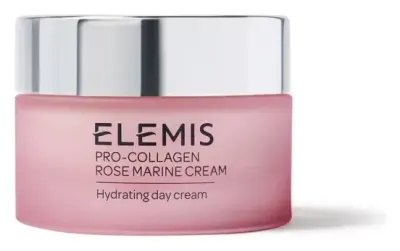 Elemis Pro-Collagen Rose Marine CreamAmazon
 Elemis ULTRA SMART Pro-Collagen Night GeniusAmazon
Anti-Aging & Retinoid Serums (2)


Targeted Vitamin C & Brightening Correctors (1)
Body Creams, Butters & Body Oils (1)

Daily Sunscreens & SPF Moisturizers (1)
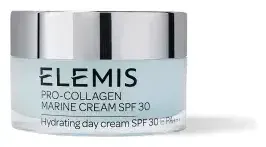
Cream & Gel Treatment Masks (1)
Eye Creams & Under-Eye Patches (1)

Common questions
What does glyceryl polyacrylate do in skincare?
It is a polymer used to help form a film and support texture. The full product determines whether that film feels smooth, tacky or barely noticeable.
Is glyceryl polyacrylate a moisturizer?
It may help a formula hold a film on the skin, but it is not a substitute for a moisturizer containing emollients or humectants. Its main role is formulation support.
Is glyceryl polyacrylate plastic?
It is a synthetic polymer. The label does not mean a product contains visible plastic particles, and environmental definitions of microplastics depend on specific criteria.
Can glyceryl polyacrylate cause an allergy?
A study of several acrylate copolymers, including a related glyceryl acrylate copolymer, found sensitization to be rare. Anyone can react to a product, so consider the whole formula and patch-test if your skin is reactive.