Hexyldecanol
What hexyldecanol does as a liquid fatty alcohol, why it is not the drying alcohol in toner, and who may enjoy its emollient feel.
Extremely safeIn 6 products we cover
We may earn a commission when you buy through links on this page. It never changes what we recommend.
Quick facts
- INCI name
- Hexyldecanol
- CAS number
- 2425-77-6
- Origin
- Synthetic
- Chemical class
- Branched fatty alcohol
- What it does in a formula
- emollient, skin conditioning, solvent
- Why it is in the formula
- Adds a light emollient feel and helps dissolve or spread oil-soluble ingredients.
What it is
Despite sharing the word alcohol with drying agents like alcohol denat., hexyldecanol is a branched, liquid fatty alcohol that acts as a softening emollient and solvent. Its long, oil-like carbon skeleton behaves very differently from simple volatile spirits. Rather than evaporating rapidly to create a dry finish, it conditions the skin surface and improves formula slip.
You may find it in moisturizers, makeup, and other cosmetics where a smooth, lightweight emollient can help. It can also help dissolve oil-soluble ingredients. It is a supporting ingredient, not a treatment active or a reason on its own to choose a product. The final texture depends on the concentration and everything else in the formula.
What it does
- Softens skin. As an emollient, it helps leave the surface feeling smooth and supple.
- Adds slip. Its liquid feel can make a formula spread more easily.
- Helps dissolve ingredients. It can act as a solvent for oil-soluble components.
Who it suits
Hexyldecanol may suit someone who likes a smooth emollient finish. It is not automatically too rich for oily skin or guaranteed to suit dry skin. The overall formula and your own preferences matter. If you tend to dislike oily textures, try the finished product on a small area before using it more broadly.
Do not avoid it solely because its name ends in alcohol. Fatty alcohols are not the same as simple drying alcohols, although any ingredient can be unsuitable for a particular person. There is no reliable comedogenic rating that predicts every product’s effect. Patch-test if you are reactive and stop using a formula that causes persistent irritation.
What to pair it with, and what not to
Hexyldecanol can appear alongside humectants such as glycerin and other emollients in a moisturizer. It does not need to be balanced with a separate oil or active. Choose by the full product’s texture and use.
Skin Realist check: The word alcohol is doing too much work on ingredient labels. Context is allowed to help.
Quick picks with Hexyldecanol
Scent-free, no patch-test flags on the label
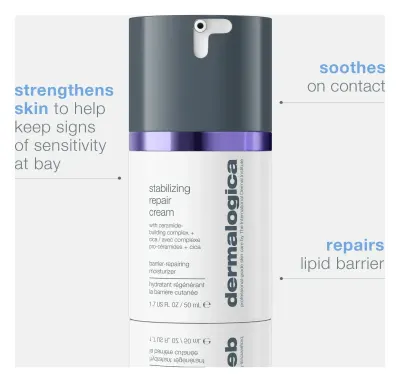
Dermalogica stabilizing repair cream
Resurrection Plant, Tasmania lanceolata extract, Boerhavia diffusa root, and a ceramide-building complex · sensitive skin · scent-free label
AmazonBrand lists it for sensitive skin
Dermalogica dynamic skin retinol serum
Retinoid Complex 3.5% · oily, dry, combination, sensitive, normal skin · scented
AmazonBrand lists it for dry skin
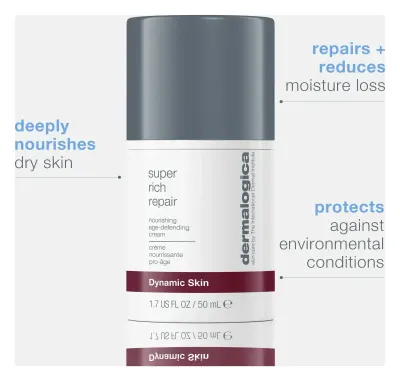
Dermalogica super rich repair moisturizer
Peptides, shea butter, evening primrose oil, borage oil, and jojoba oil · dry skin · scented
Amazon

All 6 products with Hexyldecanol
Anti-Aging & Retinoid Serums (2)

Skin Barrier Repair Creams & Recovery Jars (1)
Daily Moisturizers & Water Gel Creams (1)
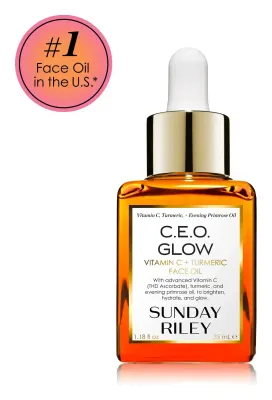
Face Oils & Treatment Oils (1)
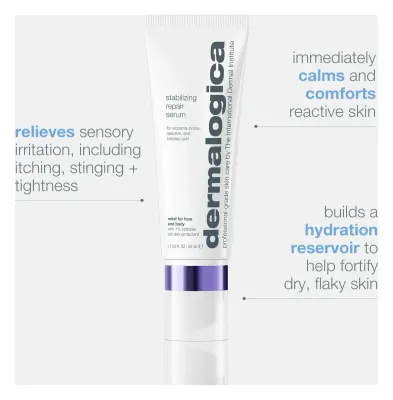
Hydrating Serums, Essences & Ampoules (1)
Common questions
What is hexyldecanol in skincare?
Hexyldecanol is a branched fatty alcohol used as an emollient and solvent in cosmetics. It is a liquid ingredient that can help products spread smoothly.
Is hexyldecanol a drying alcohol?
No. It is a fatty alcohol, a different chemical family from volatile simple alcohols such as alcohol denat. Fatty alcohols are generally used to soften or condition a formula.
What does hexyldecanol do in moisturizer?
It can soften skin, contribute slip, and help dissolve oil-soluble ingredients. The finished product's texture depends on its full formula.
Can hexyldecanol clog pores?
There is no reliable ingredient-level score that predicts whether a finished product will clog your pores. Your response depends on the whole formula and how you use it.