Hippophae Rhamnoides Fruit Oil
What sea buckthorn fruit oil does in skincare, why it looks orange, and how to think about its fatty acids and freshness.
Extremely safeIn 5 products we cover
We may earn a commission when you buy through links on this page. It never changes what we recommend.
Quick facts
- INCI name
- Hippophae Rhamnoides Fruit Oil
- Origin
- Plant-derived
- Chemical class
- Plant oil (triglycerides)
- What it does in a formula
- emollient, skin conditioning
- Why it is in the formula
- Usually used as an emollient to soften skin and add color and richness to oil-based products.
What it is
Extracted from the fleshy orange berries of the sea buckthorn shrub, Hippophae Rhamnoides Fruit Oil is a nutrient-dense botanical oil prized for its rich palmitoleic acid content. It differs significantly from sea buckthorn seed oil, which possesses a distinct fatty-acid profile dominated by linoleic and alpha-linolenic acids. Naturally abundant carotenoid pigments give this fruit oil its vivid, recognizable orange hue.
This oil appears in face oils, creams, balms, and other products where it can soften skin and add a rich feel. A vivid oil does not necessarily mean a formula will stain, but the product can transfer color depending on concentration and how it is applied. Like other oils with unsaturated fatty acids, it can oxidize during storage. Packaging that limits air and light exposure helps, and it is sensible to follow the product’s storage instructions rather than keeping an opened bottle indefinitely.
What it does
- Softens skin. The oil acts as an emollient, smoothing the feel of dry or rough skin.
- Adds richness. It can give a balm or face oil a more substantial, lubricious finish.
- Provides a characteristic oil profile. Fruit oil contains palmitoleic acid, which distinguishes it from seed oil and many other plant oils.
- Adds natural color. Carotenoid pigments contribute an orange to red-orange hue that may influence the product’s appearance.
Who it suits
Sea buckthorn fruit oil may suit dry or normal skin, or anyone who likes a rich, colorful oil. Its orange pigment can transfer depending on the product, so take care around light fabrics. There is no reliable comedogenic score that predicts how every formula will feel. If you react to botanicals, patch-test first, and follow storage directions to limit oxidation.
What to pair it with, and what not to
Sea buckthorn fruit oil can be used in a moisturizer alongside water-binding humectants such as glycerin, or after a water-based serum if the directions allow. It does not need a dedicated active partner. Add one new oil at a time if you want to see how the texture suits you, and avoid layering several rich oils simply because each is plant-derived. Store the product as directed.
Skin Realist check: A brightly colored oil can be lovely in a formula, but it does not need to turn your routine into a fruit bowl.
Quick picks with Hippophae Rhamnoides Fruit Oil
Scent-free, no patch-test flags on the label
Perricone MD Cold Plasma Plus+ Advanced Hydrating Complex
Niacinamide, squalane, beet root extract, sodium hyaluronate and peptide complexes · scent-free label
AmazonBrand lists it for sensitive skin
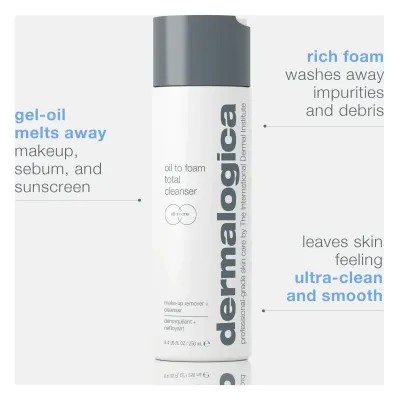
Dermalogica oil to foam total cleanser
Sea buckthorn oil and plant-derived prebiotic · oily, dry, combination, sensitive, normal skin · scented
AmazonFeatured in our guides
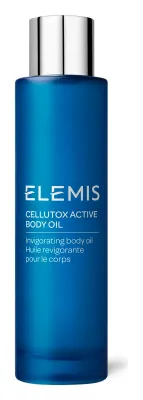
Elemis Cellutox Active Body Oil
Rapeseed seed oil, sea buckthorn fruit oil, orange peel extract, and sea fennel extract · scented
Amazon

All 5 products with Hippophae Rhamnoides Fruit Oil
Body Creams, Butters & Body Oils (1)
Gel, Foam & Cream Facial Cleansers (1)
Daily Moisturizers & Water Gel Creams (1)
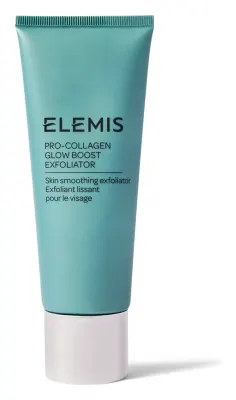
Physical & Enzyme Face Exfoliants (1)
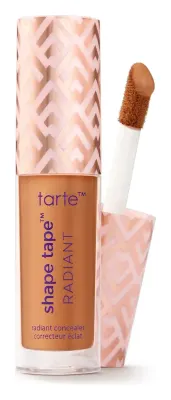
High-Definition Camouflage Concealers (1)
Common questions
What does sea buckthorn fruit oil do for skin?
It is an emollient oil that helps soften skin and gives formulas a rich, conditioning feel. It is also naturally orange due in part to carotenoid pigments.
Is sea buckthorn fruit oil high in palmitoleic acid?
Fruit oil is known for containing palmitoleic acid, although the exact fatty-acid profile varies with plant material and extraction. Seed oil has a different profile, so fruit and seed oils are not interchangeable.
Can sea buckthorn oil stain skin or clothes?
Its strong orange color may transfer or leave visible color depending on the product and how much is used. Start with the product directions and be careful around pale fabrics.
Does sea buckthorn oil go rancid?
Like other oils containing unsaturated fats, it can oxidize over time, especially with exposure to heat, air, and light. Follow storage directions and discard a product if its smell, color, or texture changes noticeably.