Hydrogenated Poly(C6-14 Olefin)
What Hydrogenated Poly(C6-14 Olefin) does in skincare, its usual role in cosmetic formulas, who may prefer it, and what to know before using it.
Extremely safeIn 7 products we cover
We may earn a commission when you buy through links on this page. It never changes what we recommend.
Quick facts
- INCI name
- Hydrogenated Poly(C6-14 Olefin)
- Origin
- Synthetic
- Chemical class
- Hydrogenated hydrocarbon polymer
- What it does in a formula
- emollient, skin conditioning
- Why it is in the formula
- Usually added as a synthetic emollient to improve glide and give skin a smooth, soft finish.
What it is
A synthetic hydrocarbon polymer created from hydrogenated olefin monomers, Hydrogenated Poly(C6-14 Olefin) provides oil-like slip as a cosmetic emollient. It is not a plant oil, even though it softens skin similarly. Because it represents a blend of polymer chain lengths, its INCI name covers a mixture rather than a single CAS-numbered substance.
Cosmetic formulas use it for emolliency and slip. It can help a cream, balm, or makeup product spread smoothly and leave a soft, less greasy-feeling film. This is a supporting texture component, not the reason to buy a product, and the final finish depends on the full blend.
What it does
- Softens skin. It can leave an emollient film that helps skin feel smoother.
- Improves spread. Its texture can help products glide without the drag of a thicker wax.
- Is synthetic. It is a manufactured polymer rather than a botanical oil.
Who it suits
This ingredient can be used in products aimed at many skin types. If you prefer a light, matte finish, you may prefer a formula with less emollient slip, but there is no way to infer that from this ingredient alone. Choose based on how the complete product wears and feels for you.
What to pair it with, and what not to
There is no special ingredient to pair with it. It may be formulated with humectants, waxes, or other emollients to create a balanced texture. You do not need to layer another oil on top unless you want that finish. There is no need to build a routine around this ingredient alone. Choose compatible textures, follow product directions, and let the complete formula do its intended job.
Skin Realist check: The origin of an emollient does not tell you whether you will like how it feels. Texture is personal.
Quick picks with Hydrogenated Poly
Scent-free, no patch-test flags on the label
COSRX The Ceramide Skin Barrier Moisturizing Mist
scent-free label
AmazonBrand lists it for sensitive skin
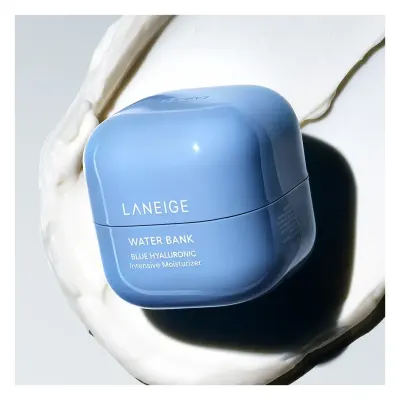
Laneige Water Bank Blue Hyaluronic Intensive Moisturizer
Blue Hyaluronic Acid, squalane, ceramide NP, niacinamide · dry, sensitive skin · scented
Amazon

All 7 products with Hydrogenated Poly
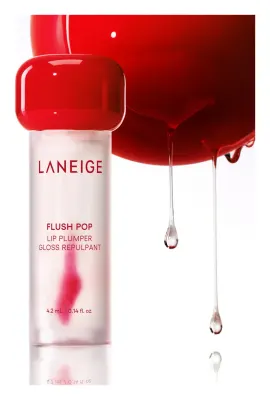
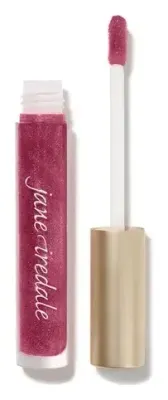
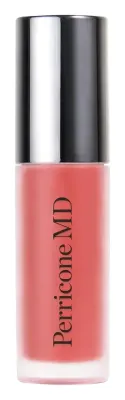
Lipsticks, Glosses & Lip Liners (3)
Skin Barrier Repair Creams & Recovery Jars (1)
Intensive Lip Recovery Masks & Tinted Balms (1)
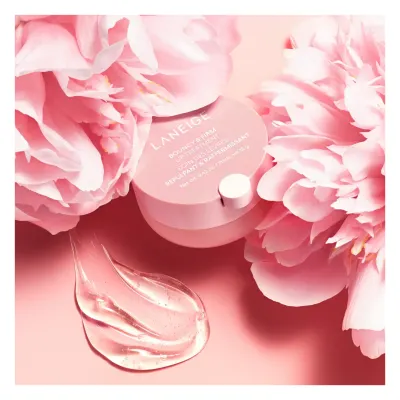
Daily Moisturizers & Water Gel Creams (1)
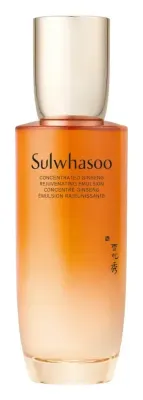
Hydrating Toners, Essence Waters & Face Mists (1)
Common questions
What does hydrogenated poly(C6-14 olefin) do?
It is a synthetic emollient that adds slip and a smooth feel. It can also help adjust the texture of creams, balms, or makeup.
Is hydrogenated poly(C6-14 olefin) a plant oil?
No. It is a synthetic hydrocarbon polymer, even though it can give a product an oil-like emollient feel.
Is hydrogenated poly(C6-14 olefin) plastic?
It is a polymer, but that alone does not mean the product contains solid plastic particles. Its common cosmetic role is emollient and texture support.