Hydroxystearic Acid
How hydroxystearic acid helps shape cosmetic texture, why it is different from exfoliating acids, and where it may appear.
Extremely safeIn 6 products we cover
We may earn a commission when you buy through links on this page. It never changes what we recommend.
Quick facts
- INCI name
- Hydroxystearic Acid
- CAS number
- 106-14-9
- Origin
- Plant-derived or Synthetic
- Chemical class
- Hydroxy fatty acid
- What it does in a formula
- viscosity controlling, emollient, surfactant
- Why it is in the formula
- Usually used to adjust viscosity or stabilize oil-rich formulas and improve their feel.
What it is
Despite the word acid in its chemical title, hydroxystearic acid is a hydroxylated fatty acid used for structural gelling rather than an exfoliating treatment like glycolic acid. Forms such as 12-hydroxystearic acid are utilized to solidify or thicken oil phases, balms, and lipsticks. It modifies lipid texture and skin feel without dissolving surface skin cells or functioning as a chemical peel.
You may find it in creams, makeup, balms, and other formulas where a thicker or more stable texture is useful. It may be derived from natural fats or oils, or produced through manufacturing. The ingredient name does not reveal which source was used.
What it does
- Helps control thickness. Hydroxystearic acid can contribute to a more structured or viscous formula.
- Supports oil-based systems. It may help stabilize or structure products that contain oils and waxes.
- Adds an emollient quality. Fatty materials can help give a product a smooth, conditioned skin feel.
- Does not exfoliate by name alone. It is not a substitute for glycolic or lactic acid, and you do not need to introduce it like an exfoliant.
Who it suits
Hydroxystearic acid is mainly a formulation ingredient. Its presence does not tell you whether a product will feel heavy, light, or suitable for a particular skin type. If you want to avoid richer finishes, consider the overall product rather than treating every ingredient with acid in its name as an exfoliant.
As with any ingredient, a person can react to a finished formula. If you have a known sensitivity or a product repeatedly causes discomfort, stop use and review the full list. There is no need for a special patch-test schedule solely because the name includes acid, though patch-testing a new product can be helpful if you know your skin is reactive.
What to pair it with, and what not to
Hydroxystearic acid does not need to be paired with an exfoliant or another active. It is already part of a formula’s texture system.
Skin Realist check: The word acid does not mean every ingredient is here to exfoliate. Labels like to keep you guessing.
Quick picks with Hydroxystearic Acid
Scent-free, no patch-test flags on the label
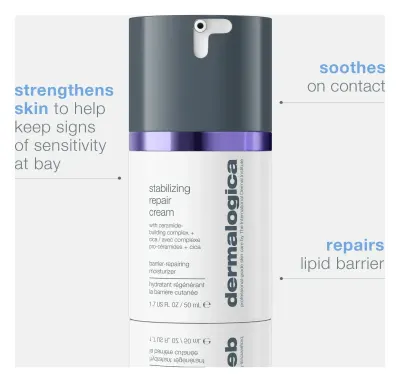
Dermalogica stabilizing repair cream
Resurrection Plant, Tasmania lanceolata extract, Boerhavia diffusa root, and a ceramide-building complex · sensitive skin · scent-free label
AmazonBrand lists it for sensitive skin
Dermalogica dynamic skin retinol serum
Retinoid Complex 3.5% · oily, dry, combination, sensitive, normal skin · scented
AmazonBrand lists it for dry skin
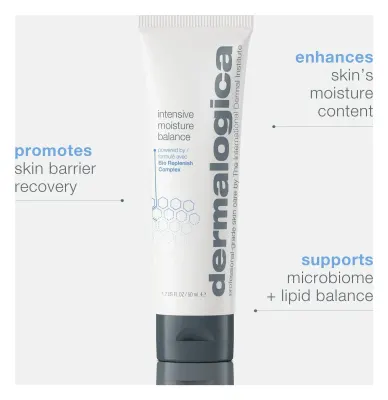
Dermalogica intensive moisture balance moisturizer
BioReplenish Complex, hyaluronic acid, chlorella algae, echinacea, centella asiatica, aloe vera · normal, dry skin · scent-free label
Amazon

All 6 products with Hydroxystearic Acid
Daily Moisturizers & Water Gel Creams (2)

Anti-Aging & Retinoid Serums (1)
Skin Barrier Repair Creams & Recovery Jars (1)
Hydrating Serums, Essences & Ampoules (1)
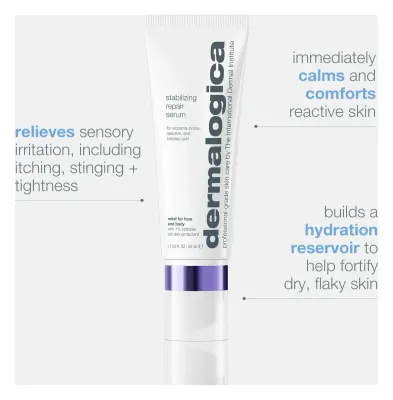
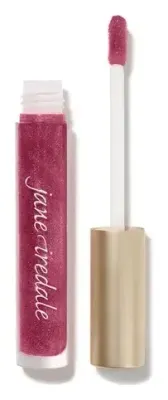
Lipsticks, Glosses & Lip Liners (1)
Common questions
Is hydroxystearic acid an exfoliating acid?
No. It is a fatty acid with a hydroxyl group and is mainly used to adjust formula texture. It is not the same kind of ingredient as glycolic or lactic acid.
What does hydroxystearic acid do in cosmetics?
It can help thicken or stabilize oil-containing products and may contribute an emollient feel. Its job depends on the formula.
Is hydroxystearic acid natural?
It can be obtained from fats or oils and may also be manufactured. The label does not tell you the source or production route.
Can hydroxystearic acid irritate skin?
Its name alone cannot predict how a complete product will feel. If a formula repeatedly causes discomfort, stop using it and look at the full ingredient list.