Isoamyl Laurate
What isoamyl laurate does in skincare, why it gives formulas a silky dry-touch feel, and what to know about its source.
Extremely safeIn 5 products we cover
We may earn a commission when you buy through links on this page. It never changes what we recommend.
Quick facts
- INCI name
- Isoamyl Laurate
- CAS number
- 6309-51-9
- Origin
- Plant-derived or Synthetic
- Chemical class
- Fatty-acid ester
- What it does in a formula
- emollient, skin conditioning, solvent
- Why it is in the formula
- Usually used as a lightweight emollient to improve glide and soften a product's finish.
What it is
To provide a lightweight slip without greasiness, cosmetic formulators use isoamyl laurate, an ester created from isoamyl alcohol and lauric acid. While its fatty acids often originate from plant feedstocks, it behaves as a defined ester rather than a heavy plant oil. It appears in moisturizers, sunscreens, and makeup to ensure effortless product spread.
What it does
- Softens skin. Isoamyl laurate works as an emollient and helps improve the feel of dry skin.
- Adds a smooth glide. It can help a product spread easily and leave a silky finish.
- Supports a dry-touch feel. Formulators may use it when they want emollience without a heavy or oily after-feel.
- Can act as a solvent. Its ester structure can help dissolve some oil-compatible ingredients.
Who it suits
Isoamyl laurate may appeal if you like a light, smooth finish, but the whole formula determines how a product feels. There is no reliable comedogenic score that predicts every person’s response. If you are concerned, try a small amount and observe your own skin. People who want to confirm plant sourcing should ask the manufacturer, since the label does not give that detail.
What to pair it with, and what not to
Isoamyl laurate needs no special active partner. It can appear with humectants such as glycerin in a lotion. Choose by the finished product’s texture and purpose. Isoamyl laurate contributes slip without the finish of heavier oils, though the result depends on the full formula. The label alone cannot tell.
Skin Realist check: A dry-touch finish is a texture preference, not a new law of skincare.
Quick picks with Isoamyl Laurate
Scent-free, no patch-test flags on the label
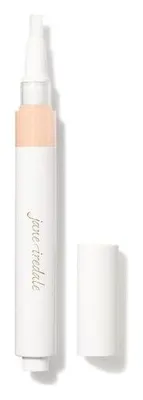
Jane Iredale Skintuition Brightening Under Eye Concealer with Active Peptide Complex
Niacinamide, palmitoyl tetrapeptide-7, chlorella vulgaris extract, and cucumber fruit extract · scent-free label
AmazonBrand lists it for sensitive skin
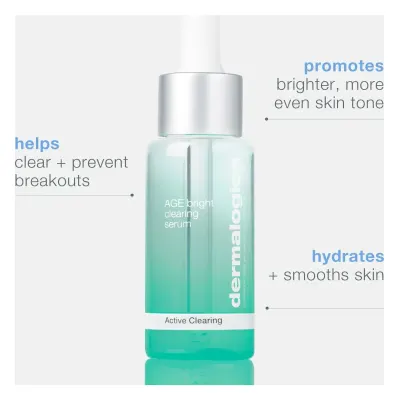
Dermalogica age bright clearing serum
Salicylic acid 2.0%, niacinamide, white shiitake mushroom and Resurrection Plant phytoactives · oily, dry, combination, sensitive, normal skin · scented
AmazonFeatured in our guides
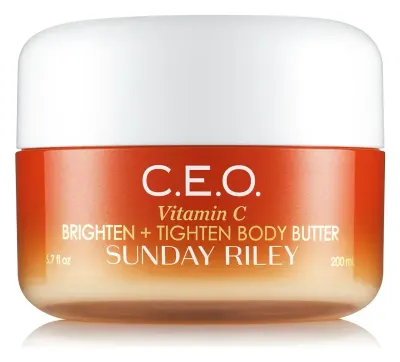
Sunday Riley C.E.O. Body Butter
Vitamin C (THD Ascorbate) · scented
Amazon
All 5 products with Isoamyl Laurate
Body Creams, Butters & Body Oils (1)
Dermatological Acne & Chemical Exfoliating Liquids (1)
Anti-Aging & Retinoid Serums (1)

Daily Moisturizers & Water Gel Creams (1)

High-Definition Camouflage Concealers (1)
Common questions
What does isoamyl laurate do in skincare?
It is an emollient ester that helps soften skin and gives formulas a smooth, lightweight glide. It may also help dissolve oil-compatible ingredients.
Is isoamyl laurate an oil?
It is an ester of isoamyl alcohol and lauric acid, not a triglyceride-rich plant oil. It can nevertheless feel emollient and oil-like in a formula.
Is isoamyl laurate natural?
It can be made from plant-derived feedstocks or through synthetic processing. The label does not provide the source details for a particular product.
Can isoamyl laurate clog pores?
There is no reliable universal comedogenic score for a cosmetic ingredient or complete formula. Choose a product for its finish and test a small area if you are concerned.