Isopropyl Palmitate
What isopropyl palmitate does in skincare, why it gives products a silky feel, and how to think about pore-clogging claims.
Probably fineIn 13 products we cover
We may earn a commission when you buy through links on this page. It never changes what we recommend.
Quick facts
- INCI name
- Isopropyl Palmitate
- CAS number
- 142-91-6
- Origin
- Plant-derived or Synthetic
- Chemical class
- Fatty-acid ester
- What it does in a formula
- emollient, skin conditioning, solvent
- Why it is in the formula
- Usually used as an emollient to soften skin and improve glide in creams and makeup.
What it is
Far from drying rubbing alcohol or heavy raw plant oils, isopropyl palmitate is a synthetic ester synthesized from isopropyl alcohol and palmitic acid to provide silky, non-greasy emollience. Its balanced lipid structure gives creams, lotions, and makeup effortless glide while softening surface skin. The INCI name designates the compound without disclosing whether the fatty acids originated from plant or petrochemical sources.
You may see it in moisturizers, makeup, sunscreen, and cleansing products. It is used to soften the skin and improve spread, often making a formula feel smooth and silky. As with other emollients, the ingredient list does not tell you the amount, the entire formula, or whether the finished product will feel heavy. It is a supporting ingredient, not the reason to buy a product.
What it does
- Softens the surface. Isopropyl palmitate is an emollient that helps skin feel smoother and less dry.
- Adds slip. It improves glide in creams and makeup, which can make a product spread more easily.
- Helps dissolve some ingredients. Its solvent role can help formulate materials that mix better in an oil phase.
- Changes the finish. It can contribute a silky or rich after-feel, depending on the amount and the other emollients in the formula.
Who it suits
Isopropyl palmitate may suit someone who likes a smooth, emollient finish, especially in a cream or makeup product. People with oily or acne-prone skin may prefer to test a product before using it all over, because a rich feel is not everyone’s preference. That is a practical texture choice, not a scientific promise that the ingredient will clog pores. Comedogenic ratings are unreliable and do not capture the finished product or individual differences.
If you have reacted to a particular product, look at the full label and consider other possible causes before singling out one ester. A dermatologist can help assess repeated irritation or breakouts. People who prefer plant-only sourcing should ask the manufacturer, because the label does not reveal whether its fatty-acid feedstock was plant-derived. A different product texture may be the simplest option if this one feels too heavy.
What to pair it with, and what not to
There is no active ingredient that has to be paired with isopropyl palmitate. It may be in the same moisturizer as water-binding ingredients such as glycerin, or in a makeup formula designed to glide. Choose the whole product for your needs and how it feels. You do not need to layer it with another oil, and adding more emollients can make a formula feel richer than you prefer.
Skin Realist check: Silky slip is a texture description, not a verdict on what your pores will do. Your skin gets the final vote.
Quick picks with Isopropyl Palmitate
Scent-free, no patch-test flags on the label
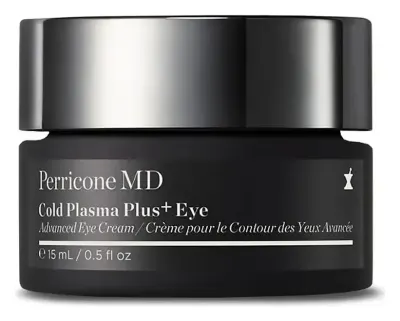
Perricone MD Cold Plasma Plus+ Advanced Eye Cream
Vitamin C Ester, omegas 3, 6 and 9, and peptides · scent-free label
AmazonBrand lists it for sensitive skin
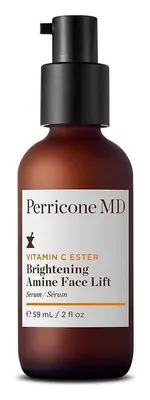
Perricone MD Vitamin C Ester Brightening Amine Face Lift
Vitamin C Ester, glycolic acid and copper complex · oily, dry, combination, sensitive, normal skin · scented
AmazonFeatured in our guides
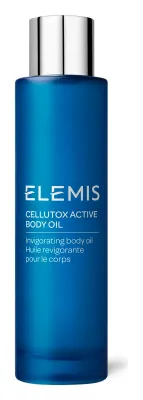
Elemis Cellutox Active Body Oil
Rapeseed seed oil, sea buckthorn fruit oil, orange peel extract, and sea fennel extract · scented
Amazon
All 13 products with Isopropyl Palmitate
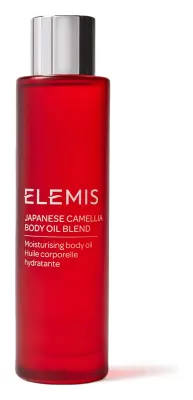
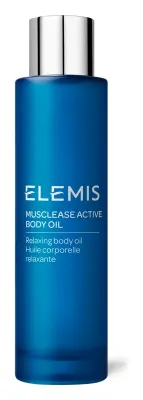
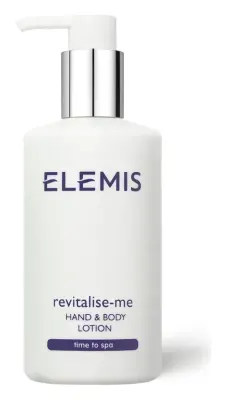
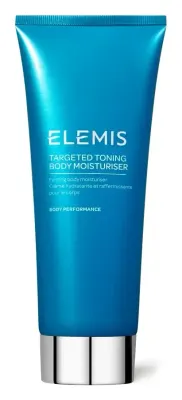
Body Creams, Butters & Body Oils (6)
Face Oils & Treatment Oils (2)
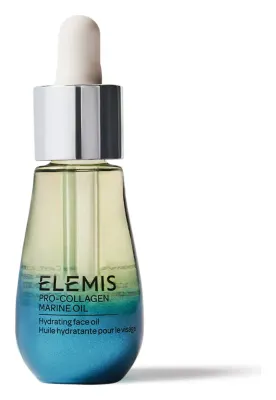
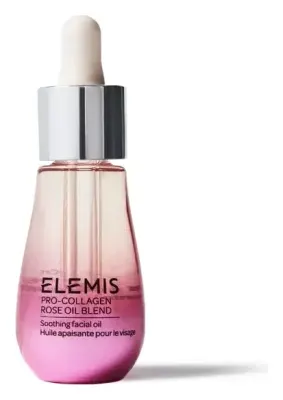
Eye Creams & Under-Eye Patches (1)
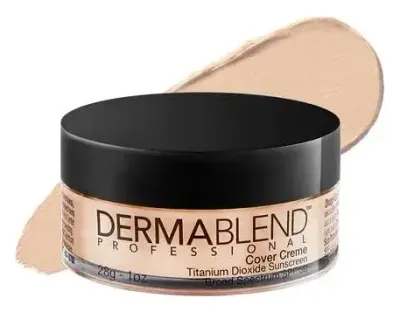
Full-Coverage Camouflage & Liquid Foundations (1)
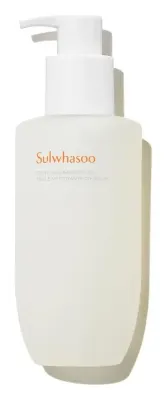
Premium Double-Cleansing Balms & Melting Gels (1)
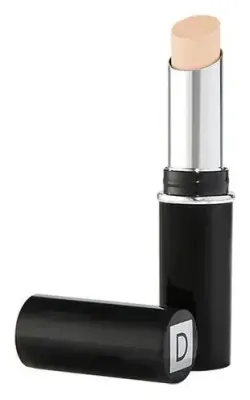
High-Definition Camouflage Concealers (1)
Targeted Vitamin C & Brightening Correctors (1)
Common questions
What does isopropyl palmitate do in skincare?
Isopropyl palmitate is an emollient ester that helps soften skin and gives products a smooth, silky feel. It can also help ingredients spread across the skin.
Is isopropyl palmitate comedogenic?
There is no reliable universal comedogenic score for a finished product, and old ingredient ratings do not predict everyone's response. If you are breakout-prone, choose a lighter texture or test the product on a small area.
Is isopropyl palmitate an oil?
It is an ester made from isopropyl alcohol and palmitic acid, not a plant oil made of triglycerides. In a formula it behaves as an emollient and can feel oil-like.
Should oily skin avoid isopropyl palmitate?
Not automatically. Some people prefer to avoid rich emollients, while others tolerate them well; the complete formula and your own experience matter more than skin type alone.