Linoleic Acid
What linoleic acid does in skincare, where this essential fatty acid comes from, and how it fits into an emollient routine.
Extremely safeIn 7 products we cover
We may earn a commission when you buy through links on this page. It never changes what we recommend.
Quick facts
- INCI name
- Linoleic Acid
- CAS number
- 60-33-3
- Origin
- Plant-derived or Animal-derived or Synthetic
- Chemical class
- Omega-6 polyunsaturated fatty acid
- What it does in a formula
- skin conditioning, emollient
- Why it is in the formula
- Usually included as a skin-conditioning fatty acid in oils, moisturizers, or active-focused formulas.
What it is
Despite the word acid in its name, linoleic acid is an omega-6 polyunsaturated fatty acid rather than an exfoliating acid like glycolic acid. It occurs naturally in skin lipids and diverse plant oils, though cosmetic grades can also be manufactured. On an ingredient list, the name does not state whether it was added on its own, derived from plant oil, or created synthetically.
What it does
- Conditions skin. Linoleic acid can contribute to a soft, conditioned feel in a finished formula.
- Adds an emollient component. It is a fatty acid found in oils and can help reduce the dry feel of skin.
- Contributes to oil character. Its proportion affects a plant oil’s fatty-acid profile and how that oil behaves.
- Is not an exfoliant. It does not work like glycolic acid simply because both names contain the word acid.
Who it suits
Linoleic acid appears in products for different skin types, often in oils or moisturizers. It may appeal if you want fatty-acid conditioning, but the ingredient list cannot predict whether an oil will feel too rich or suit acne-prone skin. Comedogenic scores are unreliable. If you are sensitive, introduce a new product gradually and consider the entire formula rather than attributing a reaction to one ingredient.
What to pair it with, and what not to
Linoleic acid needs no special partner. It can appear with humectants such as glycerin in a moisturizer. It is not an exfoliating acid that needs a neutralizing step.
Skin Realist check: An ingredient can be a familiar part of skin biology without needing to become the star of every bottle.
Quick picks with Linoleic Acid
Scent-free, no patch-test flags on the label
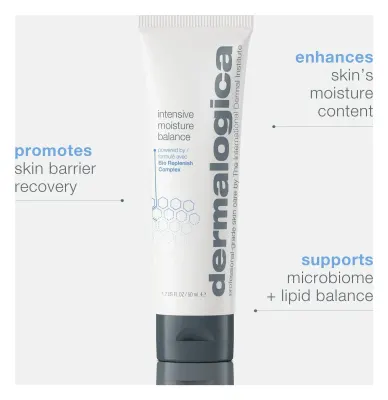
Dermalogica intensive moisture balance moisturizer
BioReplenish Complex, hyaluronic acid, chlorella algae, echinacea, centella asiatica, aloe vera · normal, dry skin · scent-free label
AmazonBrand lists it for sensitive skin
Dermalogica multivitamin power recovery masque
Vitamins A, C, and E; linoleic acid; algae extract; pro-vitamin B5 · dry, combination, normal, oily, sensitive skin · scented
AmazonBrand lists it for dry skin
Dermalogica intensive moisture cleanser
Ceramide NP, phytosterols, shea butter, murumuru seed butter, and conditioning oils · dry, normal skin · scented
Amazon


All 7 products with Linoleic Acid
Daily Moisturizers & Water Gel Creams (3)


Gel, Foam & Cream Facial Cleansers (1)
Cream & Gel Treatment Masks (1)
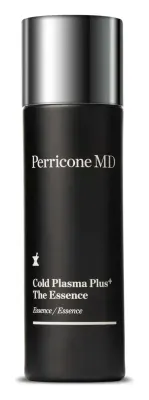
Hydrating Toners, Essence Waters & Face Mists (1)
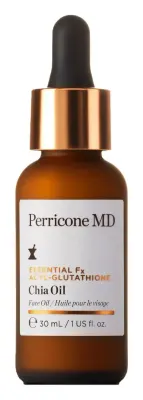
Face Oils & Treatment Oils (1)
Common questions
What does linoleic acid do for skin?
Linoleic acid is a fatty acid found in skin lipids and plant oils. In skincare it can condition skin and contribute to the feel of an oil or moisturizer.
Is linoleic acid the same as an exfoliating acid?
No. Linoleic acid is a fatty acid, not an exfoliating alpha-hydroxy acid like glycolic acid. Its role in a formula is generally conditioning or emollient.
Is linoleic acid good for oily skin?
It may appear in oils and products for many skin types, but the finished formula and your texture preference matter. There is no guarantee that an ingredient containing it will suit every oily or acne-prone person.
Can you use linoleic acid with retinol?
There is no general incompatibility that requires separating them. If both are in your routine, follow each product's directions and introduce stronger actives gradually.