Linolenic Acid
What linolenic acid does in skincare, why this polyunsaturated fatty acid is part of the skin's lipid story, and what to know about sources.
Extremely safeIn 5 products we cover
We may earn a commission when you buy through links on this page. It never changes what we recommend.
Quick facts
- INCI name
- Linolenic Acid
- Origin
- Plant-derived or Synthetic
- Chemical class
- Polyunsaturated omega-3 fatty acid
- What it does in a formula
- skin conditioning, emollient
- Why it is in the formula
- It contributes a skin-conditioning fatty acid to the formula, often in an oil or lipid blend.
What it is
On cosmetic ingredient lists, linolenic acid refers to a polyunsaturated fatty acid, most often alpha-linolenic acid, which is an omega-3 fat found in select plant oils. It is chemically distinct from omega-6 linoleic acid. The label entry does not state whether the material was isolated, included within a botanical oil, or manufactured, so the broader formula context provides the best clues.
In skincare, linolenic acid can contribute to the lipid and emollient portion of a product. It is studied in relation to skin lipids, but evidence for a visible effect from any particular cosmetic depends on the ingredient form, amount, and finished formula. It is a supporting fatty acid rather than a guaranteed treatment active. Because it is polyunsaturated, it is also more prone to oxidation than some saturated fats.
What it does
- Conditions the skin. It contributes to the lipid portion of a formula and can support a soft, emollient feel.
- Adds a fatty-acid component. It may be supplied on its own or as part of a plant oil, with the rest of the formula shaping its feel.
- Is studied in skin-lipid research. That does not establish that every product containing it produces a particular visible result.
Who it suits
A product with linolenic acid may suit people who like lipid-rich moisturizers or oils, but the product’s overall texture matters more than one fatty acid. If you have oily skin or dislike richer finishes, you can choose a lighter moisturizer instead. There is no reliable ingredient-only comedogenic rating to predict how a formula will behave for you.
If you have a known sensitivity to a source oil or need to avoid a particular raw material, ask the manufacturer. Linolenic acid can oxidize, especially when exposed to heat, air, and light, so store the product as directed and do not use it if its smell or appearance has changed noticeably. Patch-test new leave-on formulas if you are sensitive, and stop if irritation persists.
What to pair it with, and what not to
Linolenic acid can be part of an emollient formula alongside humectants such as glycerin and barrier-supportive ceramides. There is no required pairing, and you do not need a separate oil if your moisturizer already feels comfortable.
Skin Realist check: A familiar skin lipid is not a reason to build a whole routine around one molecule. The right moisturizer is still the one you will happily use.
Quick picks with Linolenic Acid
Scent-free, no patch-test flags on the label
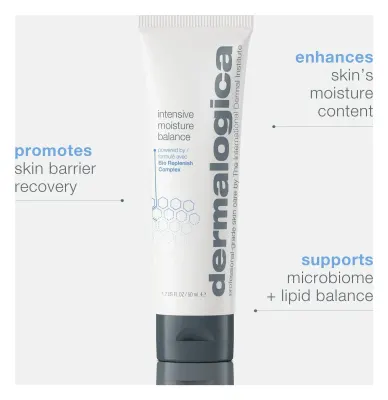
Dermalogica intensive moisture balance moisturizer
BioReplenish Complex, hyaluronic acid, chlorella algae, echinacea, centella asiatica, aloe vera · normal, dry skin · scent-free label
AmazonBrand lists it for dry skin
Dermalogica intensive moisture cleanser
Ceramide NP, phytosterols, shea butter, murumuru seed butter, and conditioning oils · dry, normal skin · scented
Amazon

All 5 products with Linolenic Acid
Daily Moisturizers & Water Gel Creams (2)

Gel, Foam & Cream Facial Cleansers (1)
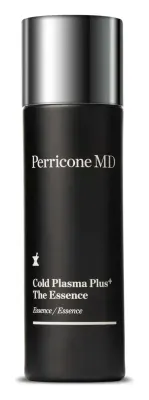
Hydrating Toners, Essence Waters & Face Mists (1)
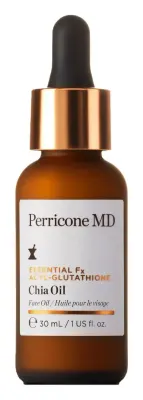
Face Oils & Treatment Oils (1)
Common questions
What is linolenic acid in skincare?
Linolenic acid is a polyunsaturated fatty acid, commonly referring to alpha-linolenic acid in cosmetic ingredient discussions. It can be present in plant oils and is used for skin conditioning.
Is linolenic acid the same as linoleic acid?
No. They are different fatty acids. Linoleic acid is an omega-6 fatty acid, while alpha-linolenic acid is an omega-3 fatty acid.
What does linolenic acid do for skin?
It contributes to the lipid or emollient portion of a formula and is studied in relation to skin's lipid barrier. Evidence for a specific visible benefit from a cosmetic product is limited and depends on the formula.
Can linolenic acid go rancid?
Polyunsaturated fatty acids are prone to oxidation. The product's packaging, storage, and antioxidant system affect stability, so follow its storage instructions and avoid using it if it changes noticeably.