Methoxy PEG-114/PolyEpsilon Caprolactone
A straightforward explanation of this PEG-polymer ingredient, its role in cosmetic texture, and what 1,4-dioxane does and does not mean.
Extremely safeIn 7 products we cover
We may earn a commission when you buy through links on this page. It never changes what we recommend.
Quick facts
- INCI name
- Methoxy PEG-114/PolyEpsilon Caprolactone
- Origin
- Synthetic
- Chemical class
- Ethoxylated block copolymer
- What it does in a formula
- viscosity controlling, film forming, emulsion stabilizing
- Why it is in the formula
- Usually included as a synthetic polymer to adjust a product's texture, film, and stability.
What it is
Built from both polyethylene glycol and polycaprolactone blocks, Methoxy PEG-114/PolyEpsilon Caprolactone is a synthetic copolymer used in cosmetic formulation. Because of its PEG segment, it belongs to the broader class of ethoxylated cosmetic ingredients.
In cosmetics, ingredients like this are used to change texture, help a formula hold together, or contribute to a film on the skin. The ingredient name alone does not reveal concentration or performance.
What it does
- Adjusts texture. The polymer can help give a cosmetic a more consistent body and feel.
- Supports stability. It may be part of the system that keeps the product uniform rather than separating during normal use.
- Helps form a film. Polymer ingredients can contribute to a layer that changes slip or wear, depending on the formula.
- Acts as a helper. It is not the reason to buy the product for a skin benefit.
Who it suits
This ingredient is included for formula design, and its presence does not predict whether the whole product will suit your skin. People can choose products without PEG-type materials if that is a personal preference, but the word PEG alone is not a measure of irritation or product quality. If a product repeatedly bothers your skin, stop using it and consider the entire formula.
A common concern with ethoxylated ingredients is 1,4-dioxane. This is a possible manufacturing byproduct, not an ingredient that must be present whenever a PEG appears. It can be reduced or removed during processing, and reputable manufacturers control impurities in raw materials. Seeing this ingredient on a label is not evidence that the finished product contains 1,4-dioxane. If you have a specific product-quality concern, contact its manufacturer for impurity testing information.
What to pair it with, and what not to
There is no routine pairing for this polymer. It is already part of the finished product’s texture and stability system. Use the product according to its directions and focus on the formula as a whole, rather than adding a second product to offset a PEG ingredient.
Skin Realist check: Long ingredient names look more alarming than they need to. A calm explanation is still allowed.
Quick picks with Methoxy PEG-114/PolyEpsilon Caprolactone
Featured in our guides
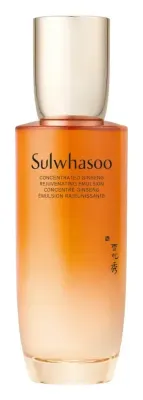
Sulwhasoo Concentrated Ginseng Rejuvenating Cream
scented
Amazon

All 7 products with Methoxy PEG-114/PolyEpsilon Caprolactone
Daily Moisturizers & Water Gel Creams (3)

Anti-Aging & Retinoid Serums (1)

Gel, Foam & Cream Facial Cleansers (1)

Sheet, Hydrogel & Clay Masks (1)

Targeted Vitamin C & Brightening Correctors (1)

Common questions
What does Methoxy PEG-114/PolyEpsilon Caprolactone do?
It is a synthetic PEG-type copolymer used to modify texture and help form a consistent product. It is a helper ingredient, not a direct skin active.
Does a PEG ingredient mean a product contains 1,4-dioxane?
Not necessarily. 1,4-dioxane can form as an unintended manufacturing byproduct in some ethoxylated ingredients, and it can be reduced or removed through processing. Its possibility is not proof that a finished product contains it.
Is 1,4-dioxane added to cosmetics on purpose?
It is not an intended cosmetic ingredient in this context. Manufacturers can control residual impurities through ingredient sourcing and processing.
Is this polymer a skin active?
No. Its role is to support the product's texture or stability. Choose the formula for its overall design rather than expecting this copolymer to change a skin concern.