Oenothera Biennis (Evening Primrose) Oil
A guide to evening primrose seed oil in skincare, its fatty-acid profile, how it softens skin, and why storage matters.
Extremely safeIn 7 products we cover
We may earn a commission when you buy through links on this page. It never changes what we recommend.
Quick facts
- INCI name
- Oenothera Biennis (Evening Primrose) Oil
- Origin
- Plant-derived
- Chemical class
- Plant oil (triglycerides)
- What it does in a formula
- emollient, skin conditioning
- Why it is in the formula
- Usually included as an emollient oil to soften skin and give a cream or facial oil a richer feel.
What it is
Pressed from the seeds of the evening primrose plant (Oenothera biennis), this botanical oil serves as an emollient in conditioning skincare products. It is distinctly different from flower, root, or leaf extracts of the same plant. Because different botanical parts offer varying chemical constituents, pressed seed oil plays a specific lipid-replenishing role in a cosmetic formula.
Evening primrose seed oil is notable for its unsaturated fatty acids, especially linoleic acid and gamma-linolenic acid, often shortened to GLA. The exact balance can vary with growing conditions and processing. Because it is an oil, its most direct cosmetic contribution is a soft, emollient feel rather than water-based hydration. You may see it in facial oils, creams, and blends made for a richer finish.
What it does
- Softens skin. The oil forms an emollient layer that can leave skin feeling smoother and more supple.
- Adds richness. It can give a cream or facial oil a more cushioning, lubricious texture.
- Contributes unsaturated fatty acids. Its linoleic acid and GLA content is part of what distinguishes it from oils with a different fatty-acid profile.
- Needs thoughtful storage. Oils rich in unsaturated fatty acids can oxidize with time and exposure to air, light, or heat. Follow the package guidance and pay attention to changes in smell or appearance.
Who it suits
Evening primrose oil may appeal to people who like richer emollients or have skin that feels dry. Those who prefer a light, non-oily finish may like it better in a blend than as a standalone facial oil. A plant-derived ingredient is not automatically the right texture for every skin type, and old comedogenic ratings do not reliably predict how a full product will feel or behave.
Research about evening primrose oil in other settings should not be read as proof that a cosmetic oil treats a skin condition. The topical formula, amount, and use pattern matter. If you have a known sensitivity to the plant or a product containing it causes repeated discomfort, stop using it and consult a dermatologist if the problem continues. People with plant allergies can check with a clinician if they are uncertain about a specific ingredient.
What to pair it with, and what not to
Evening primrose oil can be part of a cream or used after water-based products, according to the directions for the finished formula. Pair it with a moisturizer if you like the extra emollient layer, but do not add it just because a routine seems incomplete. Keep the container closed and follow storage advice, since heat, light, and air can affect the quality of plant oils.
Skin Realist check: Plant oil is not a personality test. Your routine can stay as low-drama as you like.
Quick picks with Oenothera Biennis (Evening Primrose) Oil
Brand lists it for dry skin
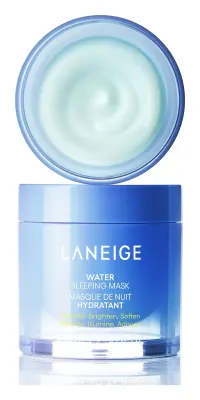
Laneige Water Sleeping Mask
Squalane, niacinamide, ceramides, three types of hyaluronic acid · dry, normal skin · scented
AmazonFeatured in our guides
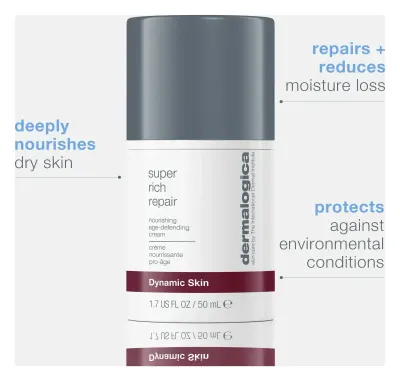
Dermalogica super rich repair moisturizer
Peptides, shea butter, evening primrose oil, borage oil, and jojoba oil · dry skin · scented
Amazon
All 7 products with Oenothera Biennis (Evening Primrose) Oil
Daily Moisturizers & Water Gel Creams (2)

Premium Overnight Recovery Packs & Sleeping Facials (1)
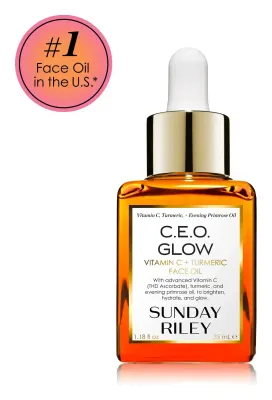
Face Oils & Treatment Oils (1)
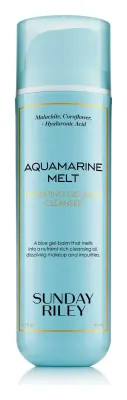
Premium Double-Cleansing Balms & Melting Gels (1)
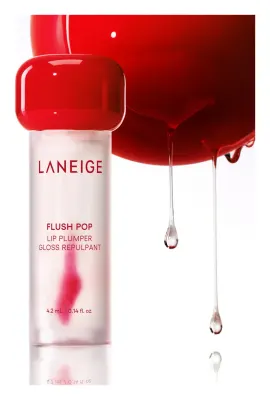
Lipsticks, Glosses & Lip Liners (1)
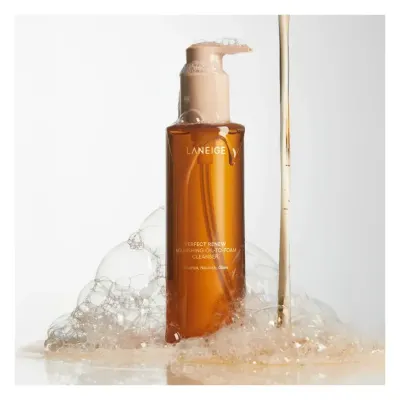
Gel, Foam & Cream Facial Cleansers (1)
Common questions
What does evening primrose oil do in skincare?
It is an emollient oil that helps soften skin and gives a formula a richer, oilier feel. The effect depends on how much is used and what else is in the product.
What fatty acids are in evening primrose oil?
The seed oil is known for linoleic acid and gamma-linolenic acid, or GLA. The exact profile can vary with the source and processing.
Is evening primrose oil good for oily skin?
It may feel too rich for some people who prefer a light finish, while others are comfortable with it in a blended moisturizer. There is no dependable comedogenic number that predicts how a finished formula will suit you.
Does evening primrose oil go rancid?
Like other oils rich in unsaturated fatty acids, it can oxidize over time. Follow the package storage guidance and replace it if its smell, color, or texture changes.