Olive Fruit Oil
How olive fruit oil softens skin, what its fatty-acid profile means, and why storage and the whole formula matter.
Extremely safeIn 11 products we cover
We may earn a commission when you buy through links on this page. It never changes what we recommend.
Quick facts
- INCI name
- Olea Europaea (Olive) Fruit Oil
- Origin
- Plant-derived
- Chemical class
- Plant oil (triglycerides)
- What it does in a formula
- emollient, skin conditioning
- Why it is in the formula
- Olive fruit oil softens skin and adds an oil-rich, conditioning feel to leave-on products.
What it is
Pressed from the fruit of the olive tree, Olea europaea fruit oil (widely known as olive oil) functions in skincare as a rich emollient that softens and cushions skin. Its natural lipid composition consists predominantly of monounsaturated oleic acid, rounded out by linoleic, palmitic, and other fatty acids. Exact fatty acid ratios fluctuate based on tree variety, regional climate, and extraction techniques.
Like other plant oils, olive oil can oxidize when exposed to heat, light, or air. Oxidation can change an oil’s smell and quality, so packaging and storage matter. A face product’s shelf life also depends on its whole formula, packaging, and preservative system. The ingredient name alone does not say how fresh an oil is or how much of it is present.
What it does
- Softens skin. Olive oil is an emollient that can leave the surface feeling smoother and more flexible.
- Adds an oil-rich feel. It can contribute slip and richness to a balm, cream, or facial oil.
- Helps reduce moisture loss. As an oily ingredient, it can form a conditioning layer within a leave-on product.
Who it suits
Olive fruit oil may appeal if you like richer emollients or want a product with an oil-based feel. It is not automatically a fit for every skin type. Some people prefer lighter textures, and an oil’s fatty-acid profile cannot tell you whether a particular finished formula will feel comfortable. Comedogenic ratings are unreliable predictors, so no numerical score can guarantee that it will or will not clog pores for you.
If you are new to a facial oil, start with a small amount of product and see how it feels. Check the complete list for fragrance or other ingredients you know you avoid. Choose packaging and storage that protect the product, and follow any after-opening directions. Stop using it if it develops an unusual odor or causes persistent irritation.
What to pair it with, and what not to
Olive oil can be part of a moisturizer or applied as an emollient step after a water-based serum, depending on the product directions. It does not need a special active alongside it. If a heavy finish feels uncomfortable, switch to a lighter moisturizer instead of layering more oils. Use sunscreen during the day as directed.
Skin Realist check: An ingredient can be nourishing in marketing and still just be an oil with a job to do. Your face does not need to resemble a salad.
Quick picks with Olive Fruit Oil
Scent-free, no patch-test flags on the label
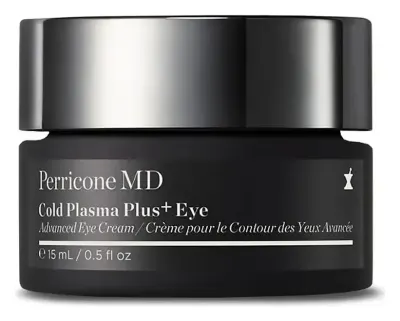
Perricone MD Cold Plasma Plus+ Advanced Eye Cream
Vitamin C Ester, omegas 3, 6 and 9, and peptides · scent-free label
AmazonBrand lists it for sensitive skin
Dermalogica multivitamin power recovery masque
Vitamins A, C, and E; linoleic acid; algae extract; pro-vitamin B5 · dry, combination, normal, oily, sensitive skin · scented
AmazonBrand lists it for dry skin
Elemis Pro-Collagen Night Cream
Padina Pavonica Thallus Extract · combination, dry, normal skin · scented
Amazon


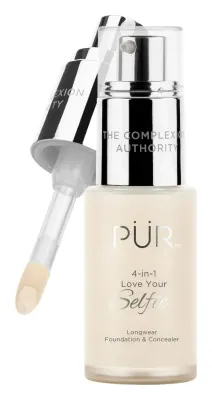
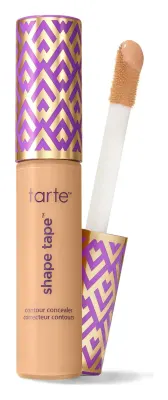
All 11 products with Olive Fruit Oil
High-Definition Camouflage Concealers (3)

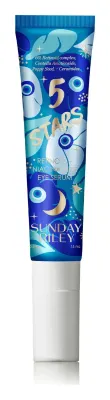
Eye Creams & Under-Eye Patches (2)
Daily Moisturizers & Water Gel Creams (1)
Cream & Gel Treatment Masks (1)
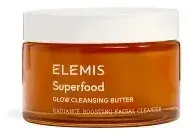
Premium Double-Cleansing Balms & Melting Gels (1)
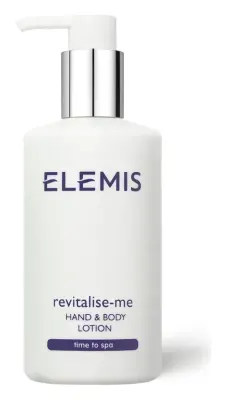
Body Creams, Butters & Body Oils (1)
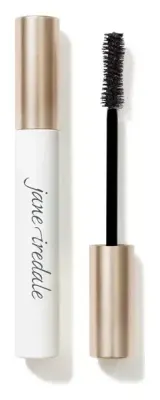
Eye Shadows, Liners, Mascara & Brow Makeup (1)
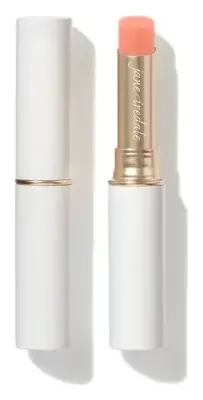
Lipsticks, Glosses & Lip Liners (1)
Common questions
What does olive fruit oil do in skincare?
It is an emollient oil that helps soften skin and add a richer, more lubricious feel. It may also help reduce moisture loss as part of a leave-on formula.
Is olive oil high in oleic acid?
Olive fruit oil is typically rich in oleic acid, a monounsaturated fatty acid, with smaller amounts of other fatty acids. The exact profile varies with cultivar, growing conditions, and processing.
Does olive oil clog pores?
There is no reliable universal comedogenic score that predicts what a finished product will do for every person. The formula and your own response matter, so avoid treating any oil as guaranteed non-comedogenic.
Can olive oil go rancid in skincare?
Plant oils can oxidize over time, especially with exposure to heat, light, and air. Follow the package storage instructions and stop using a product if its smell, color, or texture changes noticeably.