PEG-8
What PEG-8 does as a solvent and humectant in skincare, what its number means, and the facts about ethoxylation byproducts.
Extremely safeIn 5 products we cover
We may earn a commission when you buy through links on this page. It never changes what we recommend.
Quick facts
- INCI name
- PEG-8
- Origin
- Synthetic
- Chemical class
- Polyethylene glycol
- What it does in a formula
- humectant, solvent, skin conditioning
- Why it is in the formula
- It helps dissolve ingredients and retain water, contributing to a product's spread and hydrated feel.
What it is
A water-soluble polyethylene glycol polymer produced via ethoxylation, PEG-8 functions in personal care as an effective solvent and humectant. The number 8 indicates its average molecular chain length instead of its formula concentration. Formulators add it to cleansers, moisturizers, and serums to dissolve challenging ingredients and enhance product spreadability rather than to provide a standalone active benefit.
What it does
- Helps dissolve ingredients. Its water compatibility can help a formula carry certain ingredients more evenly.
- Attracts water. PEG-8 can function as a humectant and contribute to a hydrated feel.
- Supports product texture. It can improve spread or help the formula feel smooth without being the headline ingredient.
Who it suits
PEG-8 is part of a finished formula, and its presence does not by itself explain whether a product will feel sticky or lightweight. The amount, other ingredients, and product type all matter. People with sensitive skin should assess the complete formula and avoid any product they know they react to. If a new product causes persistent discomfort, stop using it and consider all possible contributors rather than assuming PEG-8 is the sole cause.
Ethoxylated ingredients can have 1,4-dioxane as an unintended manufacturing impurity. This is a possible byproduct rather than PEG-8’s function, and it can be reduced with purification and manufacturing controls. Reputable manufacturers manage impurities; seeing PEG-8 on a label is not evidence that a product contains a meaningful amount of 1,4-dioxane. New York State also sets limits for 1,4-dioxane in cosmetics; the FDA notes that it does not set a specific maximum level. The ingredient is a helper that dissolves or holds water, not a warning label about the finished product.
What to pair it with, and what not to
There is nothing special to pair with PEG-8. It is usually blended into a product with water, moisturizers, and other formula helpers. Use the finished product as directed, and avoid trying to modify a formula yourself.
Skin Realist check: An abbreviation can make an ordinary helper sound mysterious. PEG-8 is mostly doing quiet formula work.
Quick picks with PEG-8
Scent-free, no patch-test flags on the label
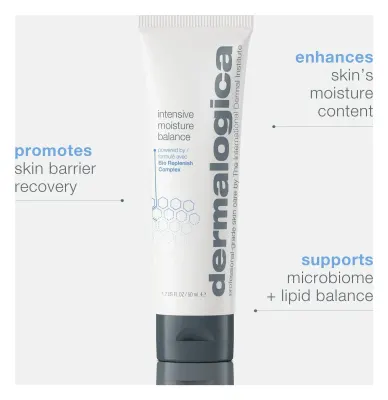
Dermalogica intensive moisture balance moisturizer
BioReplenish Complex, hyaluronic acid, chlorella algae, echinacea, centella asiatica, aloe vera · normal, dry skin · scent-free label
AmazonBrand lists it for oily skin
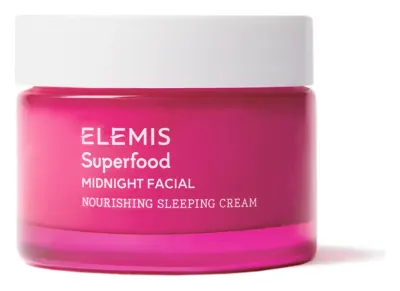
Elemis Superfood Midnight Facial
Cocoa seed butter, banana flower extract, camu camu, and prebiotic alpha-glucan oligosaccharide · combination, dry, normal, oily skin · scented
AmazonBrand lists it for dry skin
Dermalogica skin smoothing cream moisturizer
Active HydraMesh Technology, hyaluronic acid complex, mallow, cucumber, arnica, grape seed extract, vitamins C and E · normal, dry, combination skin · scented
Amazon

All 5 products with PEG-8
Daily Moisturizers & Water Gel Creams (2)
Premium Overnight Recovery Packs & Sleeping Facials (1)
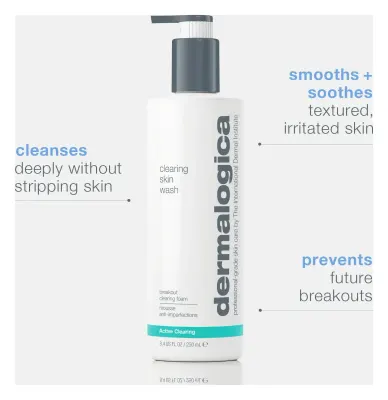
Gel, Foam & Cream Facial Cleansers (1)
Hydrating Serums, Essences & Ampoules (1)

Common questions
What does PEG-8 do in skincare?
PEG-8 is a polyethylene glycol used as a humectant and solvent. It can help a formula attract water or dissolve other ingredients.
What does the 8 mean in PEG-8?
The number indicates an average molecular-weight or ethoxylation characteristic for the polyethylene glycol, not the percentage in a finished product. It is a naming detail, not a concentration claim.
Can PEG-8 contain 1,4-dioxane?
1,4-dioxane can form as an unintended impurity during ethoxylation, but manufacturers can reduce it through purification and quality controls. Its possibility does not mean every PEG ingredient or product contains a meaningful amount.
Is PEG-8 safe for sensitive skin?
The ingredient name alone cannot predict how your skin will respond to a finished formula. If you have a known sensitivity, check the full label and introduce a new product carefully.