Polyacrylate-13
A clear guide to Polyacrylate-13, the synthetic polymer that helps cosmetics thicken, stay blended, and spread with a smooth feel.
Extremely safeIn 18 products we cover
We may earn a commission when you buy through links on this page. It never changes what we recommend.
Quick facts
- INCI name
- Polyacrylate-13
- Origin
- Synthetic
- Chemical class
- Synthetic acrylic polymer
- What it does in a formula
- viscosity controlling, emulsion stabilizing, film forming
- Why it is in the formula
- Usually added to thicken and stabilize emulsions and give them a smooth, even texture.
What it is
Used by cosmetic formulators to adjust viscosity and stabilize emulsions, polyacrylate-13 is a synthetic acrylic polymer built from repeating chemical subunits. It does not behave like a facial oil, an exfoliating acid, or a biological active ingredient. Instead, it serves as a structural rheology modifier that provides body and consistency to creams and gels.
You may find it in creams, lotions, gels, serums, and makeup. It is often combined with other texture ingredients because a single polymer rarely determines how an entire formula feels. The full system of thickeners, emulsifiers, oils, and water affects how smoothly a product spreads and whether it stays evenly mixed. Its presence is best understood as part of the product’s design, not as a reason to expect a particular skin result.
What it does
- Controls viscosity. It can make a watery mixture thicker and help the product hold a more uniform texture.
- Supports emulsion stability. In formulas that combine oil and water, a polymer can help reduce separation and keep the product consistent.
- Affects spread and finish. Thickening and film-forming properties can contribute to how smoothly a lotion or gel glides across skin.
- Helps the formula do its job. It is a supporting ingredient, not the reason to buy a product. The core purpose comes from the full formula and its intended use.
Who it suits
Polyacrylate-13 is generally present for a formula’s texture rather than a direct skin benefit. You cannot tell from its name alone whether a cream will be light, tacky, or rich.
Some shoppers prefer to limit synthetic polymers or have questions about microplastics. Polyacrylate-13 is indeed a synthetic polymer, but the label alone is not enough to classify its form as a microplastic or describe its environmental fate. Avoid assuming that every polymer is a solid bead or that a name gives the whole story. If a product repeatedly causes discomfort, stop use and review all its ingredients; a dermatologist can help with ongoing reactions.
What to pair it with, and what not to
There is nothing to pair with Polyacrylate-13 as an active. It is already part of a finished formula’s structure, alongside the emulsifiers and emollients selected by its formulator. Use the product according to its directions and choose based on the overall texture you enjoy.
Skin Realist check: The product does not need to tell you a moving story about every bit of its scaffolding.
Quick picks with Polyacrylate-13
Scent-free, no patch-test flags on the label
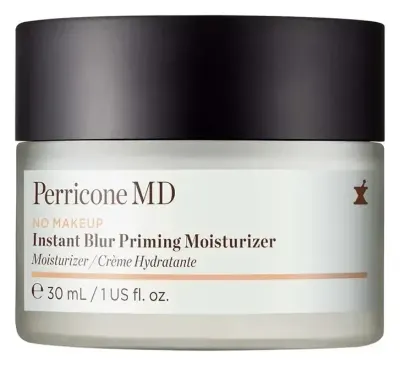
Perricone MD No Makeup Instant Blur Priming Moisturizer
Glycerin, silica, thioctic acid and peptides · scent-free label
AmazonBrand lists it for sensitive skin
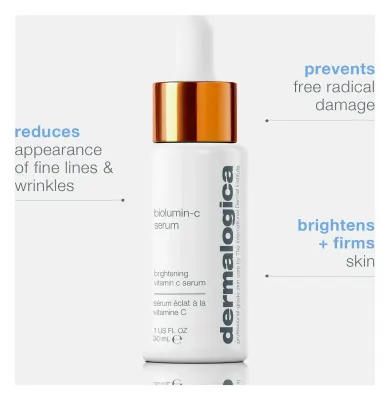
Dermalogica biolumin-c vitamin c serum
Vitamin C · oily, dry, combination, sensitive, normal skin · scented
AmazonBrand lists it for oily skin
Elemis Pro-Collagen Marine Cream for Men
Padina pavonica, ginkgo biloba, and wheat germ oil · combination, dry, normal, oily skin · scented
Amazon
All 18 products with Polyacrylate-13
Daily Moisturizers & Water Gel Creams (8)
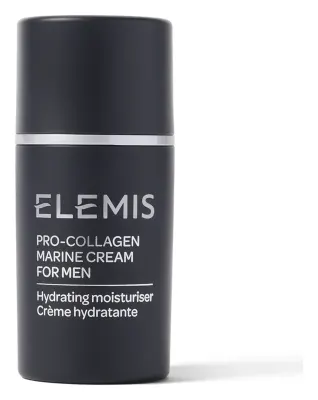 Elemis Pro-Collagen Marine Cream for MenAmazon
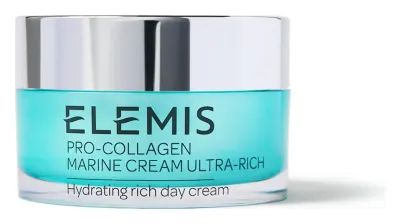 Elemis Pro-Collagen Marine Cream Ultra-RichAmazon
 Elemis ULTRA SMART Pro-Collagen Day CreamAmazon
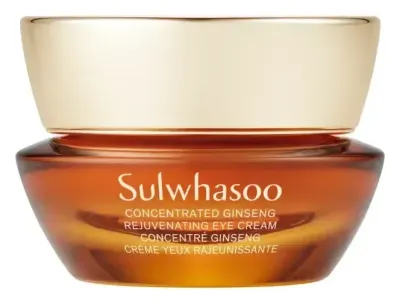
 Sulwhasoo Concentrated Ginseng Rejuvenating Cream RichAmazon
 Sulwhasoo Essential Firming Cream EXAmazon
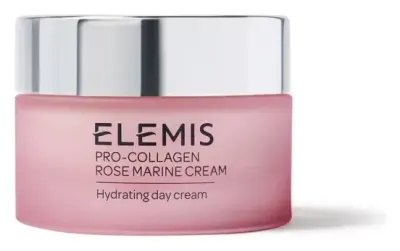 Elemis Pro-Collagen Rose Marine CreamAmazon
 Elemis Superfood Glow Priming MoisturiserAmazon
 Elemis ULTRA SMART Pro-Collagen Night GeniusAmazon
Eye Creams & Under-Eye Patches (4)



Daily Sunscreens & SPF Moisturizers (2)
Targeted Vitamin C & Brightening Correctors (1)
Mineral Pressed Powders & Skin-Nourishing Primers (1)
Body Creams, Butters & Body Oils (1)

Skin Barrier Repair Creams & Recovery Jars (1)

Common questions
What does Polyacrylate-13 do in skincare?
It is a synthetic polymer used to adjust thickness and help stabilize a formula. It can contribute to a smooth, consistent texture, but it is not a direct skin-care active.
Is Polyacrylate-13 a plastic?
It is a synthetic polymer. The ingredient name by itself does not show whether the finished product contains solid plastic particles or how the material behaves after use.
Is Polyacrylate-13 good for sensitive skin?
It is mainly a formulation aid, and its presence does not tell you whether a complete formula will feel comfortable. If a product repeatedly irritates your skin, stop using it and consider the full ingredient list.
Can Polyacrylate-13 clog pores?
There is no dependable single-ingredient comedogenic number for predicting the effect of a finished product. The rest of the formula and your own texture preferences matter more.