Polyethylene
A synthetic polymer used to thicken, add structure, or form a film in cosmetics, including leave-on products.
Extremely safeIn 6 products we cover
We may earn a commission when you buy through links on this page. It never changes what we recommend.
Quick facts
- INCI name
- Polyethylene
- Origin
- Synthetic
- Chemical class
- Polyolefin polymer
- What it does in a formula
- film forming, viscosity controlling, bulking
- Why it is in the formula
- It can build structure, improve a product's texture, or leave a flexible film on skin or lips.
What it is
Polyethylene is a synthetic polyolefin polymer formed from repeating ethylene units and adapted into various cosmetic grades. Depending on its molecular weight and particle shaping, it can perform as a sensory powder, a film-forming agent, or a wax-like structuring binder. The single INCI name gives no details on the precise particle dimensions or physical form present.
You may see it in makeup, balms, lip products, and some skin-care products. It can be used as a thickener or film former even in products that stay on skin. Do not assume that the presence of polyethylene means a product contains the same kind of microbead used in older rinse-off scrubs. The name does not describe particle size or whether particles are present at all.
What it does
- Builds texture. Polyethylene can increase a product’s body and help a balm, stick, or cream keep its shape.
- Forms a film. In some products it can leave a flexible layer that contributes to wear or a smooth surface feel.
- Supports makeup application. It may improve glide and help pigments or other ingredients remain distributed.
- Can appear in different physical forms. The grade used determines whether it behaves more like a powder, wax, or structuring polymer.
Who it suits
Polyethylene is a helper ingredient, not an active chosen for a skin benefit. It can appear in products for many skin types because its job is often to shape the formula or its finish. If you prefer a lightweight lotion, a balm or stick that uses structuring ingredients may simply feel too rich. That preference is about product texture, not a diagnosis based on one ingredient.
If you are specifically trying to avoid plastic particles, an ingredient list may not provide enough detail about particle size or form. Look for product information from the manufacturer and the applicable local definition rather than treating every polymer name as equivalent. As with any cosmetic, stop using a product that causes persistent irritation and consider the whole formula.
What to pair it with, and what not to
Polyethylene is combined with oils, waxes, pigments, and other ingredients to make the finished product. It does not need a special active alongside it. Choose the product for its overall texture and use it according to its directions.
Skin Realist check: A formula can use a little engineering. Your moisturizer does not need to be artisanal to do its job.
Quick picks with Polyethylene
Scent-free, no patch-test flags on the label
Flori Roberts Best Creme to Powder Foundation For Women of Color or Deeper Skin Tones
scent-free label
AmazonFeatured in our guides
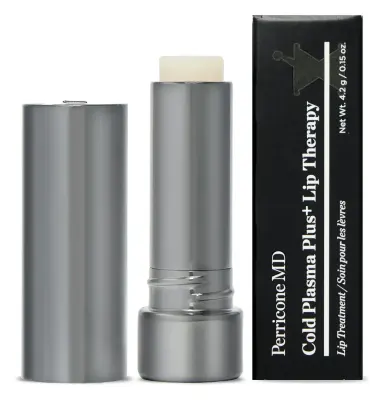
Perricone MD Cold Plasma Plus+ Lip Therapy
Coconut oil, jojoba seed oil, sodium hyaluronate and palmitoyl tripeptide-1 (listed in the manufacturer ingredient list) · scent-free label
Amazon

All 6 products with Polyethylene
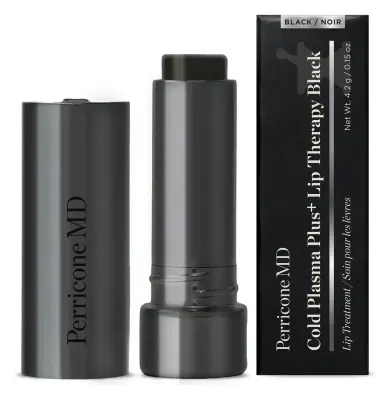
Intensive Lip Recovery Masks & Tinted Balms (2)
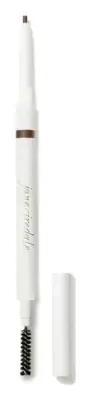
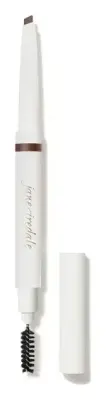
Eye Shadows, Liners, Mascara & Brow Makeup (2)
Full-Coverage Camouflage & Liquid Foundations (1)
Blush, Bronzers & Highlighters (1)
Common questions
What does polyethylene do in makeup?
Polyethylene can add structure, control viscosity, or form a film. In color cosmetics, those roles can help a product feel smooth or stay in place.
Is polyethylene in skincare a microplastic?
Polyethylene is a synthetic polymer, but the ingredient name alone does not tell you its particle size or physical form. Whether it meets a particular microplastic definition depends on the material and the rule being applied.
Is polyethylene plastic?
Yes, polyethylene is a synthetic plastic polymer. In a cosmetic, it may be used as a wax-like structuring material, thickener, film former, or solid particle, depending on how it is made and formulated.
Is polyethylene bad for your skin?
It is used for texture and film-forming roles in cosmetics. How a product feels or suits you depends on its complete formula and format, not this ingredient name alone.