Polyhydroxystearic Acid
How polyhydroxystearic acid helps disperse mineral particles in cosmetics and why it does not provide sun protection itself.
Extremely safeIn 16 products we cover
We may earn a commission when you buy through links on this page. It never changes what we recommend.
Quick facts
- INCI name
- Polyhydroxystearic Acid
- Origin
- Synthetic
- Chemical class
- Polymeric fatty acid
- What it does in a formula
- dispersing, viscosity controlling, skin conditioning
- Why it is in the formula
- It helps disperse pigments and mineral filters through a formula for a more even texture.
What it is
Despite sharing part of its name with stearic acid, polyhydroxystearic acid is a specialized polymer used to keep mineral powders and pigments evenly dispersed. It is commonly formulated into mineral sunscreens, foundations, and color cosmetics. By preventing solid particles from clumping together, it ensures smooth application and uniform coverage across the skin.
A sunscreen label can be confusing when it includes several ingredients associated with mineral filters. Polyhydroxystearic acid itself is not a UV filter and does not add SPF. In the United States, sunscreen is regulated as an over-the-counter drug, and the listed active ingredients are responsible for UV filtering. Dispersants and coatings can help the sunscreen’s particles blend into the formula, but they cannot replace a tested UV filter or make an untested mixture protective.
What it does
- Disperses particles. It can help mineral powders and pigments spread through the product rather than clumping.
- Supports texture. A well-dispersed formula may apply more evenly and feel more consistent.
- Helps product design. It can work with other ingredients that coat or suspend mineral particles.
Who it suits
Polyhydroxystearic acid is a helper ingredient, not the reason to buy a sunscreen or foundation. Its presence does not tell you whether a product will leave a cast, feel greasy, or work for your skin preferences. The entire base formula, pigment size, and application amount all contribute to the experience.
For sun protection, use a finished sunscreen with a suitable labeled SPF and broad-spectrum protection, and follow its directions for application and reapplication. Do not infer protection from the presence of this dispersant or from a product’s texture. As with any cosmetic, stop using a product that causes persistent discomfort and check the rest of its ingredients if you have a known sensitivity.
What to pair it with, and what not to
There is no routine ingredient that needs to be paired with polyhydroxystearic acid. It works within the finished product alongside pigments and, in some sunscreens, mineral filters. Do not mix sunscreen with raw powders or other products in an attempt to change its protection. Layer finished products according to their directions.
Skin Realist check: An ingredient that helps sunscreen apply evenly is useful. It still is not the ingredient doing the filtering.
Quick picks with Polyhydroxystearic Acid
Scent-free, no patch-test flags on the label
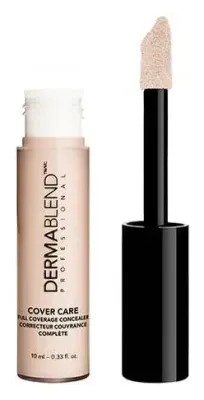
Dermablend Cover Care Full Coverage Concealer
scent-free label
AmazonBrand lists it for sensitive skin
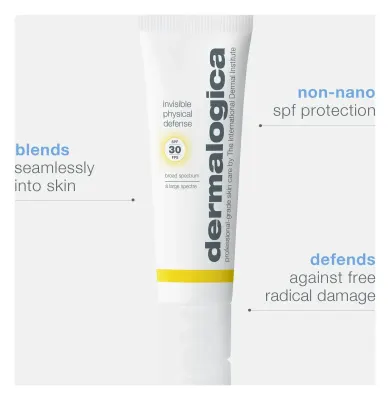
Dermalogica invisible physical defense mineral sunscreen spf30
Zinc oxide, Bio-Active Mushroom Complex, Green Tea, and Hyaluronic Acid · oily, dry, combination, sensitive, normal skin · scented
AmazonBrand lists it for oily skin
Dermalogica skinperfect primer spf30
Argan oil, peptides, sodium hyaluronate, vitamin E · normal, dry, combination, oily, sensitive skin · scented
Amazon

All 16 products with Polyhydroxystearic Acid
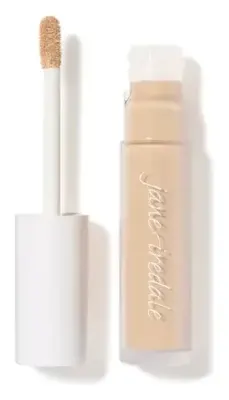
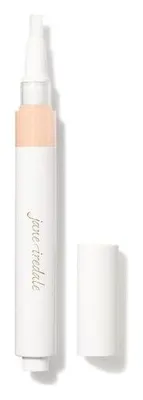
High-Definition Camouflage Concealers (4)

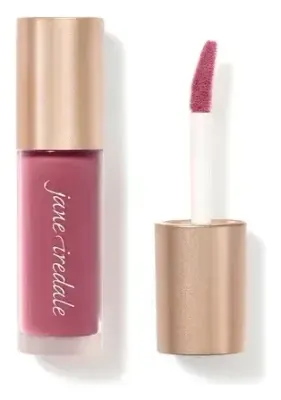
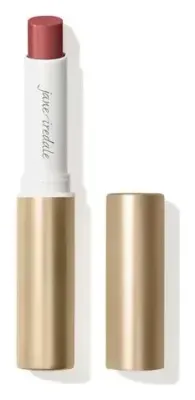
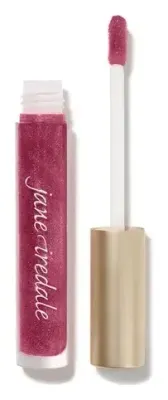
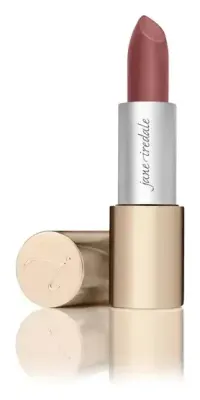
Lipsticks, Glosses & Lip Liners (4)
Daily Sunscreens & SPF Moisturizers (3)
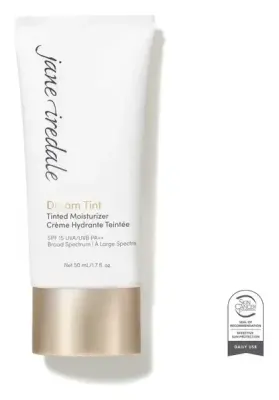
Intensive Lip Recovery Masks & Tinted Balms (2)
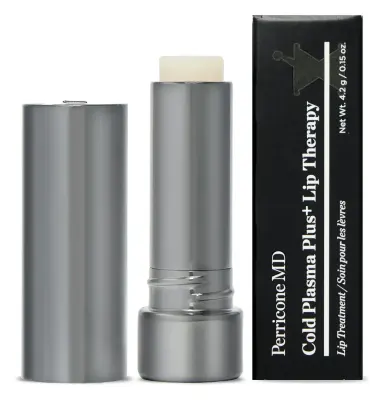
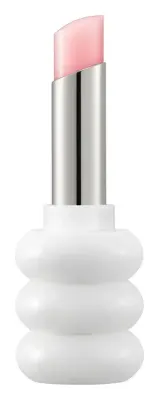
Daily Moisturizers & Water Gel Creams (1)

Mineral Pressed Powders & Skin-Nourishing Primers (1)

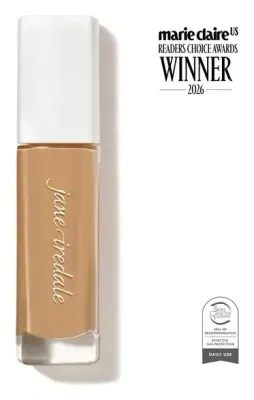
Full-Coverage Camouflage & Liquid Foundations (1)
Common questions
What does polyhydroxystearic acid do in skincare?
It is a dispersing and texture ingredient that helps pigments or mineral particles stay distributed through a formula. It can be used in makeup and mineral sunscreen products.
Is polyhydroxystearic acid a sunscreen?
No. It is not a UV filter and does not provide SPF on its own. In the United States, listed sunscreen active ingredients provide the product's UV-filtering function.
Is polyhydroxystearic acid the same as stearic acid?
No. Polyhydroxystearic acid is a larger material made from repeating fatty-acid units, while stearic acid is a single fatty acid. Their formulation roles are not interchangeable.
Why is it in mineral makeup?
It can help powders and mineral pigments spread and remain more evenly dispersed. This supports the product's texture and application rather than acting as a skin treatment.