Polyquaternium-7
What Polyquaternium-7 does in personal care, how this conditioning polymer improves slip, and why it is not a treatment active.
Extremely safeIn 5 products we cover
We may earn a commission when you buy through links on this page. It never changes what we recommend.
Quick facts
- INCI name
- Polyquaternium-7
- Origin
- Synthetic
- Chemical class
- Cationic copolymer
- What it does in a formula
- antistatic, film forming, hair conditioning, viscosity controlling
- Why it is in the formula
- Usually added to improve slip and conditioning and help reduce static in rinse-off products.
What it is
A synthetic, positively charged copolymer, Polyquaternium-7 is built from multiple monomer units and formulated into personal-care products. Its cationic charge provides slip and conditioning properties in cleansers and lotions. The INCI designation identifies this functional synthetic polymer rather than a botanical extract.
You may see it in shampoos, conditioners, body washes, facial cleansers, and other products that benefit from a conditioning feel. Because it carries a positive charge, it can interact with negatively charged surfaces such as hair. Its job in a skin product is generally to improve slip or leave a light conditioning film. It is not the same chemical family as silicones, even though both can help a product feel smoother.
What it does
- Improves slip. It can help a product spread smoothly and reduce drag during application.
- Conditions after cleansing. In rinse-off formulas, it may leave hair or skin feeling less rough after washing.
- Helps reduce static. Its positive charge can help limit static in hair-care products.
- Supports product texture. It can contribute to viscosity or film formation, but it is a helper rather than a reason to buy for a skin benefit.
Who it suits
Polyquaternium-7 is mainly a functional ingredient in a finished product. Its name does not tell you whether a product will be rich, light, or comfortable. That depends on the full formula and whether it is intended for hair, face, or body. You do not need to avoid it solely because it is a synthetic polymer, though you can choose a different product if you prefer.
If a product containing it repeatedly causes discomfort, stop using it and check the other ingredients too.
What to pair it with, and what not to
Polyquaternium-7 does not need to be paired with a separate active. It is already part of the product’s conditioning system, often alongside surfactants and other polymers. Use a rinse-off product as directed and choose your moisturizer or conditioner based on the overall feel you want.
Skin Realist check: Sometimes the useful ingredient is the one you notice only when it is missing.
Quick picks with Polyquaternium-7
Scent-free, no patch-test flags on the label
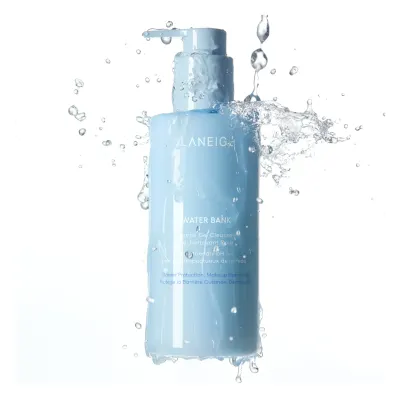
Laneige Water Bank Gentle Gel Cleanser
Blue Hyaluronic Acid, allantoin, and amino acid complex · sensitive skin · scent-free label
AmazonBrand lists it for sensitive skin
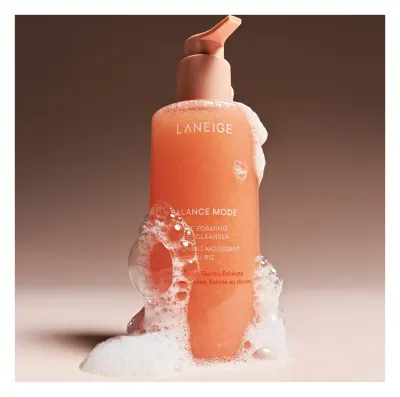
Laneige Balance Mode Rice Foaming Deep Cleanser
Rice-inamide Complex, rice powder, glycolic acid, and ceramide · combination, oily, normal, sensitive skin · scent-free label
Amazon
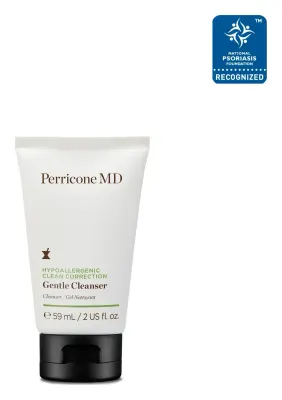
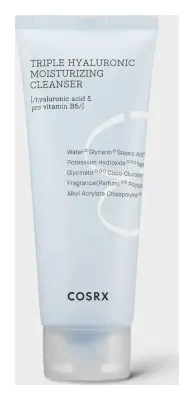
All 5 products with Polyquaternium-7
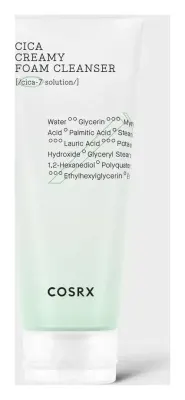
Gel, Foam & Cream Facial Cleansers (3)
Premium Double-Cleansing Balms & Melting Gels (2)
Common questions
What does Polyquaternium-7 do?
It is a cationic polymer used to condition and improve slip, especially in rinse-off products. It can help leave hair or skin feeling smoother after cleansing.
Is Polyquaternium-7 a silicone?
No. It is a synthetic polymer with a positive charge, not a silicone. Both ingredient groups can affect slip, but they are chemically different.
Is Polyquaternium-7 bad for skin?
Its presence alone does not determine how a whole product will feel or suit you. If a product repeatedly causes discomfort, stop using it and check the full formula.
Is Polyquaternium-7 an active ingredient?
No. It is mainly a conditioning and antistatic helper. It is not added to treat a skin condition.