Polyvinyl Alcohol
A synthetic polymer used as a film former and thickener, helping cosmetic products spread evenly or dry into a light film.
Extremely safeIn 6 products we cover
We may earn a commission when you buy through links on this page. It never changes what we recommend.
Quick facts
- INCI name
- Polyvinyl Alcohol
- Origin
- Synthetic
- Chemical class
- Vinyl polymer
- What it does in a formula
- film forming, viscosity controlling, binding
- Why it is in the formula
- It thickens a product or forms a flexible film as the formula dries.
What it is
Unlike volatile drying alcohols found in fast-evaporating formulas, polyvinyl alcohol (often abbreviated PVA) is a synthetic polymer made of repeating vinyl-alcohol units. Its large molecular chains form pliable surface films and increase the viscosity of water-based products like peel-off masks. The exact performance depends on the polymer’s molecular weight and manufacturing grade.
You may find it in masks, makeup, hair products, and other cosmetics where a formulator wants a product to spread or dry in a controlled way. The presence of PVA does not automatically mean the product will peel off; it depends on the complete formula and how it is meant to be used.
What it does
- Forms a film. As water evaporates, PVA can leave a thin layer on the surface.
- Thickens liquids. It can help give a formula more body and improve its dispensing texture.
- Helps products hold together. It can act as a binder or support the structure of a cosmetic product.
- Changes wear and feel. The film may affect smoothness, flexibility, or how a product sits on skin.
Who it suits
Polyvinyl alcohol is a formula helper rather than a skin-care active. You may encounter it in products designed to dry down, hold a shape, or create a film. If you dislike a tight or film-like finish, choose a different product texture. Your preference depends on the finished formula, not simply the presence of one polymer.
The ingredient name alone does not say whether a product will peel, feel tacky, or cause irritation. Those qualities depend on concentration, other film-formers, and the product’s intended use. If your skin is reactive, try new products cautiously and stop using a formula that causes persistent discomfort. Ask a dermatologist if you have recurring reactions or a diagnosed skin condition.
What to pair it with, and what not to
There is no active ingredient that needs to be paired with PVA. It is combined with water, humectants, and other polymers to create the product texture. Use the formula as directed, and do not use a film-forming product in a way its label does not describe.
Skin Realist check: A film former is a stagehand. It helps the product stay in place, then gets out of your way.
Quick picks with Polyvinyl Alcohol
Scent-free, no patch-test flags on the label
COSRX PDRN Exosome Skinplaning Glaze Mask
PDRN · scent-free label
Amazon

All 6 products with Polyvinyl Alcohol
Premium Overnight Recovery Packs & Sleeping Facials (1)
Cream & Gel Treatment Masks (1)
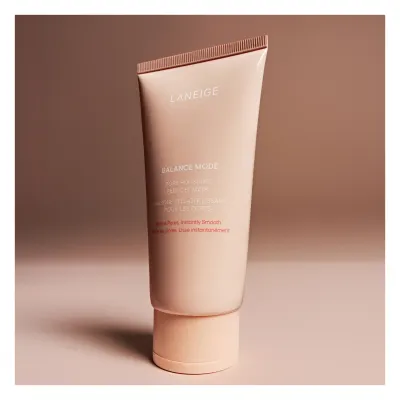
Gel, Foam & Cream Facial Cleansers (1)
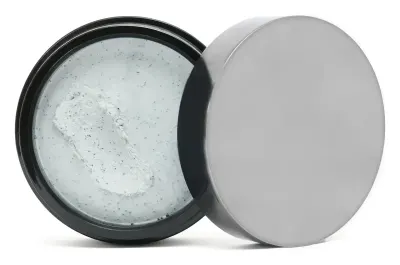
Daily Moisturizers & Water Gel Creams (1)
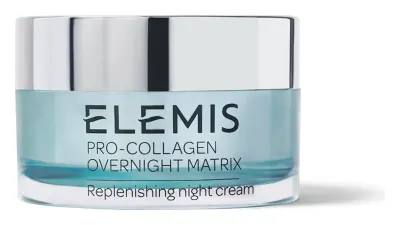
Hydrating Serums, Essences & Ampoules (1)

Eye Shadows, Liners, Mascara & Brow Makeup (1)
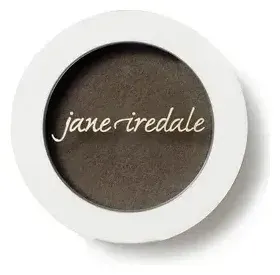
Common questions
What does polyvinyl alcohol do in skincare?
It can thicken a formula or form a light film as a product dries. It is often used for texture, application, or the way a product wears.
Is polyvinyl alcohol the same as alcohol?
No. Despite its name, it is a synthetic polymer, not a small volatile alcohol such as denatured alcohol. It does not evaporate from skin in the same way.
Does polyvinyl alcohol peel off skin?
Some products use film-forming ingredients in formulas that dry or peel away, but the ingredient alone does not mean a product is a peel-off mask. Check the product format and directions.
Is polyvinyl alcohol natural?
No. It is a synthetic polymer made through industrial processing. It is used for its film-forming and thickening properties.