Potassium Cetyl Phosphate
What potassium cetyl phosphate does in moisturizers and sunscreens, how it helps oil and water mix, and what its name does not mean.
Extremely safeIn 11 products we cover
We may earn a commission when you buy through links on this page. It never changes what we recommend.
Quick facts
- INCI name
- Potassium Cetyl Phosphate
- CAS number
- 84861-79-0
- Origin
- Synthetic
- Chemical class
- Anionic phosphate surfactant
- What it does in a formula
- emulsifying, surfactant, cleansing
- Why it is in the formula
- It helps emulsify oil and water and can support the texture and stability of creams.
What it is
Formulated into lotions and creams to keep oil and water phases blended, potassium cetyl phosphate is an anionic surfactant that acts as a robust emulsifier. Its structure unites a long-chain fatty cetyl group with a charged phosphate head to stabilize phase boundaries. Rather than delivering targeted treatment activity, it serves as a technical structural backbone in cosmetic emulsions.
You may see potassium cetyl phosphate in moisturizers, sunscreens, and other emulsified products. It can contribute to the consistency and stability of a cream and may work alongside other emulsifiers. Despite a glossary shorthand that can suggest pH adjustment, its main role is not to regulate pH. A product’s pH is determined by the full formula and can be adjusted with other ingredients where needed.
What it does
- Helps emulsify oil and water. Its surfactant structure helps keep the product’s phases blended.
- Supports a stable texture. It can contribute to the consistency of creams and lotions during storage and use.
- Can assist cleansing. In some formulas, surfactant properties help lift oils or residue, though the full blend determines how it cleans.
Who it suits
Potassium cetyl phosphate is not an ingredient you need to target for a particular skin type. It is used to help a product work as a cream, lotion, or sunscreen, and the complete formula matters more than this single emulsifier. If you have sensitive skin, focus on the full label, especially known triggers such as fragrance, rather than assuming that a technical ingredient name predicts irritation.
The presence of this emulsifier does not reveal a sunscreen’s SPF or how well it protects against sunlight. Follow the product label for application and reapplication. If a product causes discomfort, discontinue it and consider whether another ingredient or the overall formula may be involved. A dermatologist can help with recurring reactions.
What to pair it with, and what not to
There is no special active to pair with potassium cetyl phosphate. It is part of the cream’s structure and works alongside the other emulsifiers and emollients. Use a product according to its directions, and choose the overall texture and purpose that fit your routine.
Skin Realist check: A complicated chemical name can have a very ordinary job: helping a cream stay blended. The formula does not need a referee so much as good engineering.
Quick picks with Potassium Cetyl Phosphate
Scent-free, no patch-test flags on the label
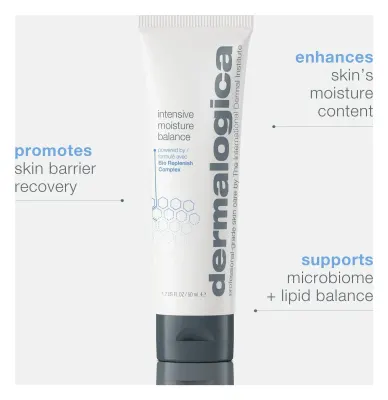
Dermalogica intensive moisture balance moisturizer
BioReplenish Complex, hyaluronic acid, chlorella algae, echinacea, centella asiatica, aloe vera · normal, dry skin · scent-free label
AmazonBrand lists it for sensitive skin
Dermalogica biolumin-c heat aging protector spf50
Ultra-stable vitamin C complex, ThermaRadiance Complex, Physalis, vitamin E, safflower oleosomes · combination, dry, normal, oily, sensitive skin · scented
AmazonBrand lists it for oily skin
Dermalogica multivitamin power recovery masque
Vitamins A, C, and E; linoleic acid; algae extract; pro-vitamin B5 · dry, combination, normal, oily, sensitive skin · scented
Amazon


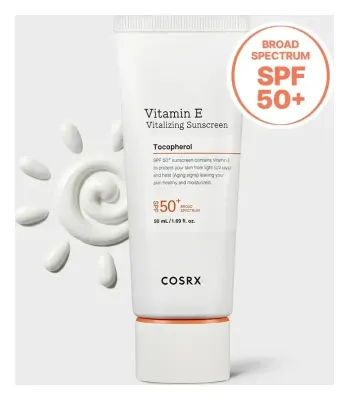
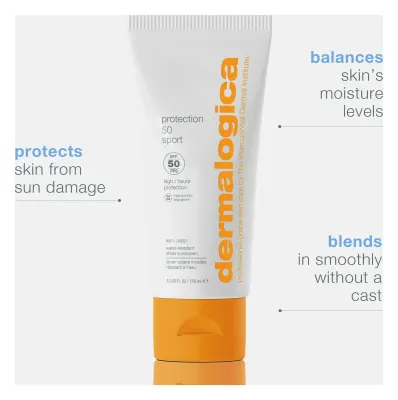
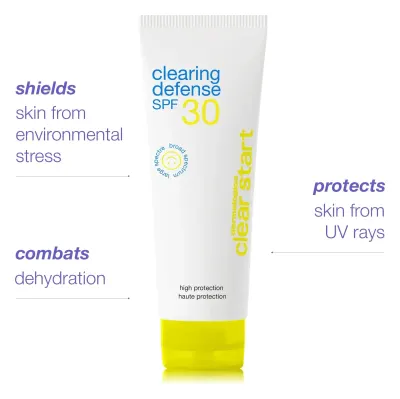
All 11 products with Potassium Cetyl Phosphate
Daily Sunscreens & SPF Moisturizers (4)
Daily Moisturizers & Water Gel Creams (4)

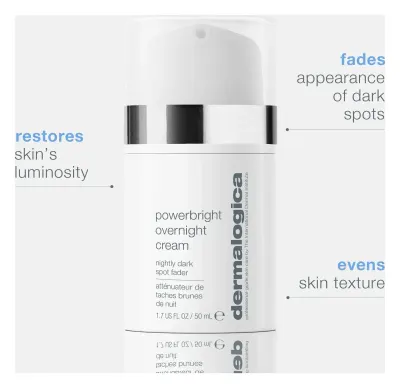

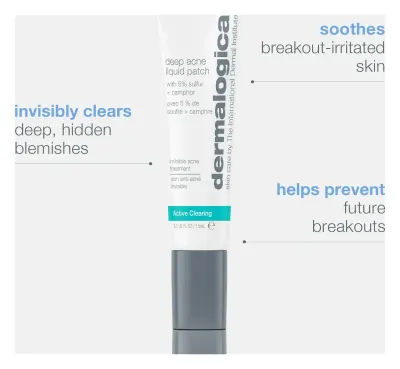
Pimple Patches & Overnight Spot Treatments (1)
Anti-Aging & Retinoid Serums (1)

Cream & Gel Treatment Masks (1)
Common questions
What does potassium cetyl phosphate do in skincare?
It is a surfactant and emulsifier that helps oil and water stay mixed in a cream or lotion. It can also contribute to cleansing in some formulas.
Is potassium cetyl phosphate a pH adjuster?
Its main cosmetic role is as an emulsifier and surfactant, not as the ingredient that adjusts a formula's pH. The full formula determines whether a separate pH adjustment is needed.
Is potassium cetyl phosphate in sunscreen?
It can be used in creams and sunscreen formulas to help stabilize the emulsion and give it a usable texture. Its presence does not tell you the sunscreen's protection level.
Is potassium cetyl phosphate drying?
It is used as part of a formula, and its effect depends on the product type and the other ingredients. In a leave-on cream, it is not the same as using a harsh cleanser by itself.