Potassium Chloride
What potassium chloride does in cosmetics, why a simple mineral salt may appear in a formula, and what it does not do.
Extremely safeIn 9 products we cover
We may earn a commission when you buy through links on this page. It never changes what we recommend.
Quick facts
- INCI name
- Potassium Chloride
- CAS number
- 7447-40-7
- Origin
- Mineral
- Chemical class
- Inorganic salt
- What it does in a formula
- viscosity controlling, bulking
- Why it is in the formula
- Potassium chloride helps adjust the consistency or ionic balance of a cosmetic formula.
What it is
Potassium chloride is an inorganic mineral salt composed of potassium and chloride ions sourced from natural deposits or manufacturing. Within skincare formulas, it functions as a technical processing helper rather than an active skin treatment. Chemists use it to calibrate formula viscosity and adjust the ionic balance of dissolved salts in water-based cosmetics.
The name can sound familiar because potassium chloride is also used in contexts outside skincare, but a cosmetic ingredient should be understood in its formula. It is not the same as sodium chloride, ordinary table salt, and its presence does not make a cream a salt scrub. The ingredient list does not reveal its exact amount or why a formulator selected it. A supporting ingredient can be useful without offering a separate visible benefit on its own.
What it does
- Adjusts formula consistency. In some formulas, salts affect how thick or fluid a product becomes.
- Helps balance the water phase. It contributes ions to a water-based mixture, which can affect how other ingredients behave.
- Supports product design. It is one of many small components that help a formula reach its intended texture.
Who it suits
Potassium chloride is not aimed at a specific skin type or concern. Its presence does not tell you whether a product is hydrating, soothing, or exfoliating. Those effects depend on the rest of the formula. If you are choosing a moisturizer, pay attention to its humectants, emollients, texture, and use instructions rather than treating potassium chloride as a treatment active.
The word chloride can be familiar from other uses, but that does not predict how a cosmetic will feel. Stop using a product if it causes persistent discomfort.
What to pair it with, and what not to
There is nothing to pair specifically with potassium chloride. It is used inside the formula to adjust its behavior, not as a separate routine step. Select the finished product for its overall feel and purpose.
Skin Realist check: A simple salt does not need to be cast as the hero or the villain. It is usually just part of the recipe.
Quick picks with Potassium Chloride
Scent-free, no patch-test flags on the label
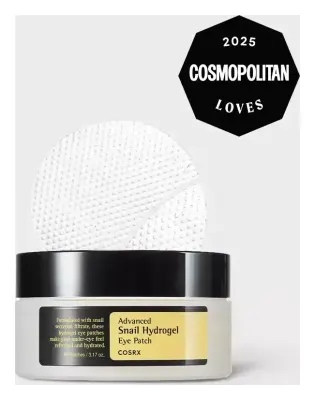
COSRX Advanced Snail Hydrogel Eye Patch
Snail Secretion Filtrate · scent-free label
AmazonFeatured in our guides
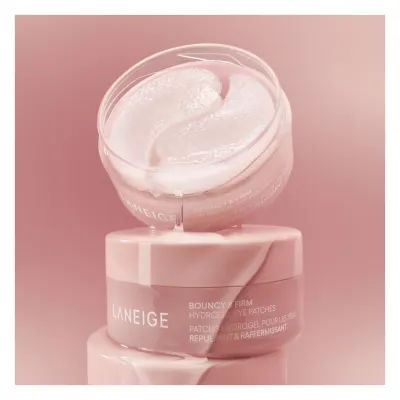
Laneige Bouncy & Firm Hydrogel Eye Patches
Niacinamide, caffeine, soluble collagen, and sodium hyaluronate · scented
Amazon
All 9 products with Potassium Chloride
Eye Creams & Under-Eye Patches (4)

Sheet, Hydrogel & Clay Masks (3)



Full-Coverage Camouflage & Liquid Foundations (1)
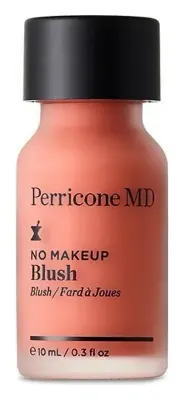
Blush, Bronzers & Highlighters (1)
Common questions
What does potassium chloride do in skincare?
It is an inorganic salt used to help adjust a formula's consistency or ionic balance. It is a supporting ingredient rather than a direct skin active.
Is potassium chloride the same as table salt?
No. Potassium chloride contains potassium and chloride ions, while table salt is sodium chloride. They are different salts with different formulation roles.
Is potassium chloride in skincare a moisturizer?
Not usually. Its role is mainly to help formulate the product, while humectants and emollients provide most of the moisturizing feel.
Why is a mineral salt in a face cream?
Small amounts of salts can help control how a formula behaves. Its presence does not mean the product is a mineral treatment or that it will feel salty on your skin.