Ricinus Communis (Castor) Seed Oil
What castor seed oil does in skincare, how its unusual fatty-acid profile shapes its texture, and what to know about storage.
Extremely safeIn 15 products we cover
We may earn a commission when you buy through links on this page. It never changes what we recommend.
Quick facts
- INCI name
- Ricinus Communis (Castor) Seed Oil
- Origin
- Plant-derived
- Chemical class
- Plant seed oil (triglycerides)
- What it does in a formula
- emollient, skin conditioning
- Why it is in the formula
- Castor seed oil adds a dense, glossy emollient feel to oils, balms, and other formulas.
What it is
Notable for its thick texture and high viscosity, castor seed oil is pressed from the seeds of Ricinus communis. Its fatty-acid composition is dominated by ricinoleic acid, an unusual hydroxylated fatty acid that sets it apart from lighter oils, accompanied by oleic, linoleic, palmitic, and stearic acids. It serves as a rich, glossy emollient in balms and lip products.
As with other oils, exact composition and texture can vary with the crop and processing. Oils can oxidize when exposed to air, heat, and light, though unsaturated fatty-acid profiles differ in how quickly they change. Keep the cap closed, store the product as directed, and pay attention to the stated shelf life or period after opening. If an oil starts to smell stale or rancid, it is time to replace it. Do not expect castor oil to behave like a water-based serum or a light lotion.
What it does
- Softens skin. As an emollient, it adds a smooth, cushiony feel to the surface.
- Adds gloss and richness. It can make balms and oil blends feel dense and leave a noticeable sheen.
- Supports the formula’s texture. Its thickness can help give a product body or improve its glide.
Who it suits
Castor oil may appeal if you enjoy richer oils and balms, or if you want a glossy finish. It may feel too thick if you prefer a weightless texture or dislike an oily layer. That is a personal preference, not a fixed rule about skin type. A product containing castor oil can also include waxes, fragrance, or other oils that change the way it feels.
Comedogenic ratings are unreliable and do not predict how a finished formula will affect every person. There is no useful universal number for castor oil. Start with the product as directed and pay attention to how your own skin feels. This oil is a supporting emollient, not a guaranteed solution for dryness or any skin condition. For persistent irritation or a medical concern, ask a dermatologist.
What to pair it with, and what not to
Castor oil can be part of a blend with lighter oils or waxes, but no special pairing is required. If you dislike heavy finishes, use a small amount of a product or choose a lighter formula instead. Keep oil products properly closed and follow their package directions.
Skin Realist check: An oil can be useful without being a universal answer. Your face does not need to audition for a cooking show.
Quick picks with Ricinus Communis (Castor) Seed Oil
Scent-free, no patch-test flags on the label
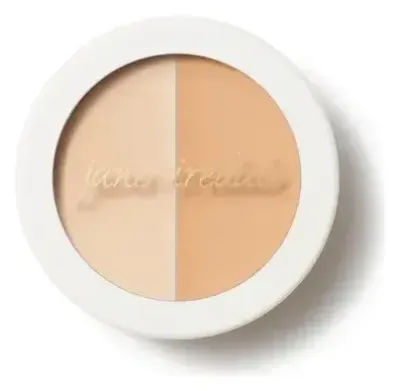
Jane Iredale Circle\Delete Concealer
Moringa butter, avocado oil, and green tea extract · scent-free label
AmazonBrand lists it for sensitive skin
Dermalogica biolumin-c heat aging protector spf50
Ultra-stable vitamin C complex, ThermaRadiance Complex, Physalis, vitamin E, safflower oleosomes · combination, dry, normal, oily, sensitive skin · scented
AmazonBrand lists it for oily skin
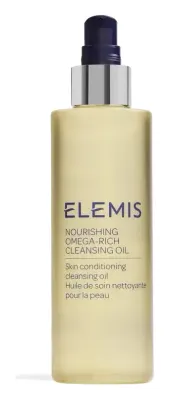
Elemis Nourishing Omega-Rich Cleansing Oil
Sunflower seed oil, castor seed oil, chia seed oil, camellia seed oil, and pomegranate extract · oily, dry, combination, sensitive, normal skin · scented
Amazon

All 15 products with Ricinus Communis (Castor) Seed Oil
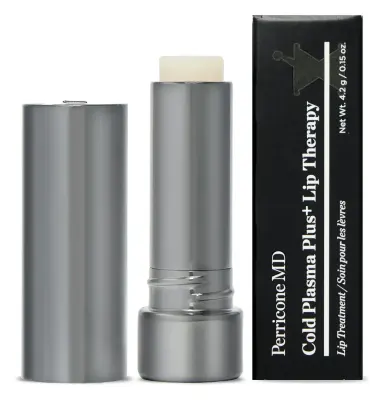
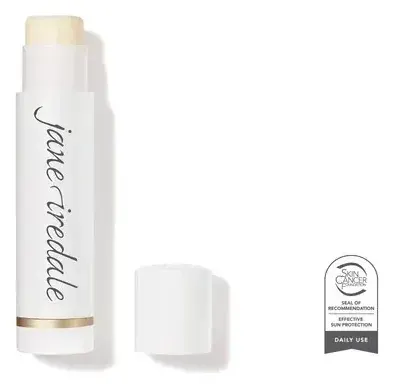
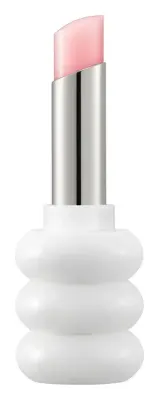
Intensive Lip Recovery Masks & Tinted Balms (4)
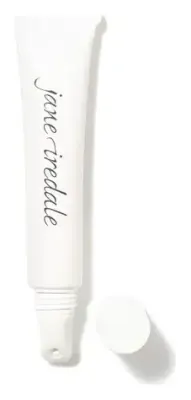
High-Definition Camouflage Concealers (3)

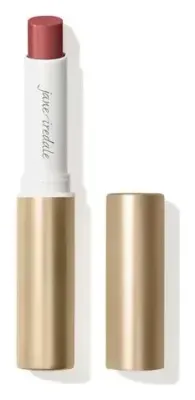
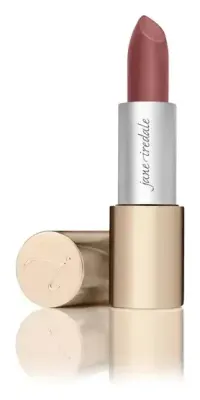
Lipsticks, Glosses & Lip Liners (3)

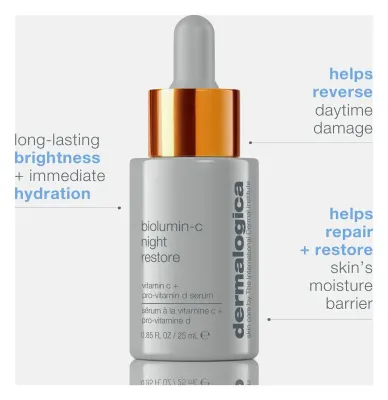
Targeted Vitamin C & Brightening Correctors (2)

Daily Sunscreens & SPF Moisturizers (1)
Premium Double-Cleansing Balms & Melting Gels (1)
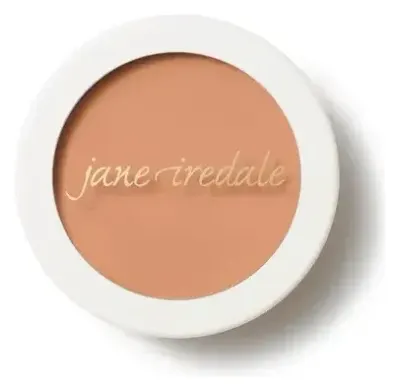
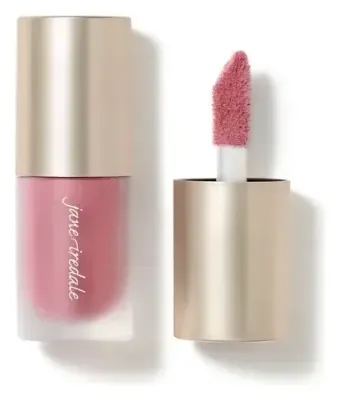
Blush, Bronzers & Highlighters (1)
Common questions
What does castor seed oil do for skin?
It is an emollient oil that can soften the feel of skin and give a product a glossy, cushioning texture. It is often used as one part of a balm or oil blend.
What makes castor oil different from other plant oils?
Castor oil is unusually rich in ricinoleic acid, a hydroxylated fatty acid that contributes to its thick feel. It also contains smaller amounts of other fatty acids, including oleic and linoleic acids.
Does castor oil clog pores?
There is no reliable comedogenic score that can predict how a finished product will behave for every person. The formula, amount, and your preferences all matter.
How should castor oil products be stored?
Keep the container closed and away from excess heat and light. Oils can oxidize over time, so follow the package's storage guidance and do not keep using a product whose smell or appearance has changed.