Scutellaria Baicalensis Root Extract
What Scutellaria baicalensis root extract is, how it functions as a botanical skin conditioner, and why claims should stay modest.
Extremely safeIn 7 products we cover
We may earn a commission when you buy through links on this page. It never changes what we recommend.
Quick facts
- INCI name
- Scutellaria Baicalensis Root Extract
- Origin
- Plant-derived
- Chemical class
- Botanical root extract
- What it does in a formula
- skin conditioning, antioxidant
- Why it is in the formula
- Adds a plant-derived skin-conditioning extract to a serum, moisturizer, or other cosmetic formula.
What it is
Commonly known as Baikal skullcap, Scutellaria baicalensis yields a cosmetic botanical extract obtained specifically from its roots rather than its leaves or blooms. The composition of the resulting extract depends on processing methods and extraction solvents, details that the INCI name does not disclose.
In cosmetics, this botanical is generally a supporting skin conditioner. It may appear in serums, creams, and formulas marketed around plant extracts. Some constituents have been studied for antioxidant properties, but lab findings do not establish a visible result from every cosmetic product. The complete formula and quality of evidence matter more than the plant’s traditional reputation.
What it does
- Conditions skin. The extract contributes a botanical component to a formula designed to leave skin feeling cared for.
- Provides antioxidant potential. Some plant constituents are studied for antioxidant activity, though this does not guarantee a visible skin benefit.
- Complements a formula. It may be included alongside humectants or emollients rather than acting as the main functional ingredient.
- Does not replace stronger evidence. Its presence is not proof that a product changes a particular skin concern.
Who it suits
There is not enough ingredient-specific evidence to recommend Scutellaria baicalensis root extract for one skin type over another. A serum or cream containing it may work for many skin types, but its base ingredients set much of the product’s feel. If you have dry skin, look for a moisturizing base; if you prefer lighter textures, a gel or fluid may be more comfortable.
Plant-derived does not mean irritation-proof. Botanical extracts can be a problem for some people, especially if the finished product includes fragrance or other extracts. Patch-test if your skin is reactive, and introduce one new product at a time. Stop using a product that causes ongoing irritation. Ask a dermatologist about persistent symptoms or a diagnosed condition.
What to pair it with, and what not to
This extract does not need a special partner. It can fit into a routine with simple moisturizers containing glycerin or ceramides. Keep the rest of your routine familiar while testing a new botanical product.
Skin Realist check: A long botanical name can make a label feel wise. Keep expectations sensible and the moisturizer comfortable.
Quick picks with Scutellaria Baicalensis Root Extract
Scent-free, no patch-test flags on the label
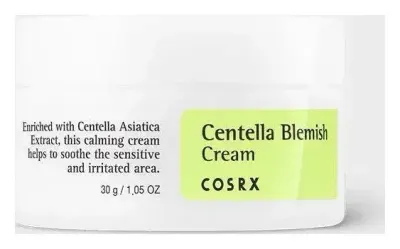
COSRX Centella Blemish Cream
Centella Asiatica · scent-free label
AmazonFeatured in our guides
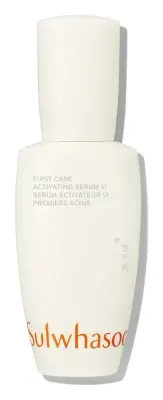
Sulwhasoo First Care Activating Serum VI
scented
Amazon
All 7 products with Scutellaria Baicalensis Root Extract
Daily Moisturizers & Water Gel Creams (2)
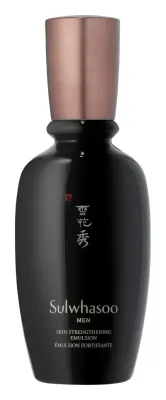

Hydrating Serums, Essences & Ampoules (1)
Pimple Patches & Overnight Spot Treatments (1)
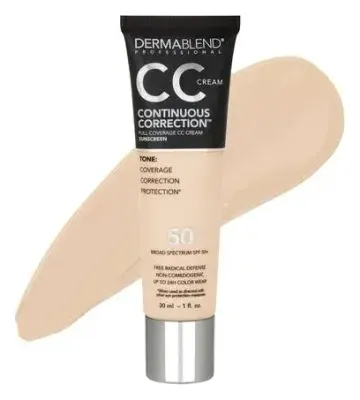
Full-Coverage Camouflage & Liquid Foundations (1)
Eye Creams & Under-Eye Patches (1)

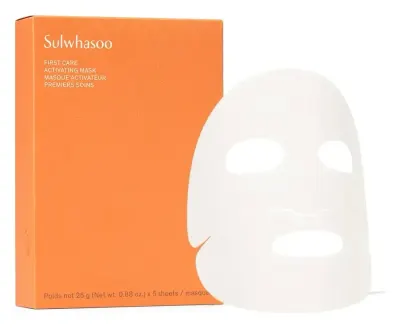
Sheet, Hydrogel & Clay Masks (1)
Common questions
What is Scutellaria baicalensis root extract?
It is an extract of the root of Scutellaria baicalensis, a flowering plant also known as Baikal skullcap. Extraction methods can produce materials with different compositions.
What does skullcap root extract do in skincare?
It is used as a skin-conditioning botanical and may provide antioxidant components. Evidence for visible effects from a particular cosmetic formula is limited.
Is Scutellaria baicalensis root extract the same as skullcap tea?
No. A cosmetic root extract is a formulated ingredient, while tea is a different preparation intended for another use. Do not assume information about one applies to the other.
Can botanical extracts irritate skin?
They can, even when plant-derived. If you have reactive skin, patch-test the finished product and stop if it causes persistent discomfort.