Sodium Cocoyl Isethionate
A cleansing surfactant used in rinse-off products, valued for making a creamy lather with a less squeaky feel.
Extremely safeIn 7 products we cover
We may earn a commission when you buy through links on this page. It never changes what we recommend.
Quick facts
- INCI name
- Sodium Cocoyl Isethionate
- Origin
- Plant-derived or Synthetic
- Chemical class
- Anionic surfactant (isethionate)
- What it does in a formula
- cleansing, surfactant, foaming
- Why it is in the formula
- It lifts oil and soil during rinsing while helping a cleanser create a creamy lather.
What it is
Manufactured by reacting coconut-derived fatty acids with an isethionate group, sodium cocoyl isethionate is a gentle anionic surfactant widely used in cleansing bars, face washes, and body foams. This processed cleansing agent creates a dense, creamy lather that helps water rinse away surface oils without the harshness of raw soap.
A cleanser’s mildness cannot be predicted by one surfactant name. The overall combination of surfactants, product pH, how long it stays on skin, and how often you wash all affect how it feels. A creamy lather may feel different from a high-foam wash, but foam level alone does not tell the whole story.
What it does
- Lifts oil and soil. Surfactants help water mix with oily material so it can rinse away from skin.
- Creates lather. Sodium cocoyl isethionate can contribute a creamy foam in a rinse-off formula.
- Supports a solid cleanser. It is often used in syndet bars and other cleansing formats that do not rely on traditional soap.
- Affects after-feel. The full surfactant blend determines whether a cleanser leaves skin feeling comfortable or stripped.
Who it suits
You may like a cleanser with sodium cocoyl isethionate if you want a foaming or creamy wash. It can be used in facial and body products, but that does not guarantee that every formula will feel mild for every person. If your skin feels tight or squeaky afterward, use less cleanser, wash for less time, or switch to a formula that leaves a more comfortable finish.
People with sensitive or very dry skin may prefer a low-fragrance, non-stripping cleanser and a short wash. If a particular product causes persistent discomfort, stop using it and review the whole formula rather than focusing on one surfactant. For recurring irritation, a dermatologist can help assess your routine.
What to pair it with, and what not to
This ingredient belongs in a rinse-off formula, so it does not need a separate active alongside it. Follow cleansing with a moisturizer if your skin feels dry, and avoid combining multiple harsh cleansing steps in one wash. A comfortable rinse-off routine matters more than chasing a particular lather.
Skin Realist check: A cleanser can foam without turning the rinse into a personality test. Comfortable is the goal, not squeaky.
Quick picks with Sodium Cocoyl Isethionate
Scent-free, no patch-test flags on the label
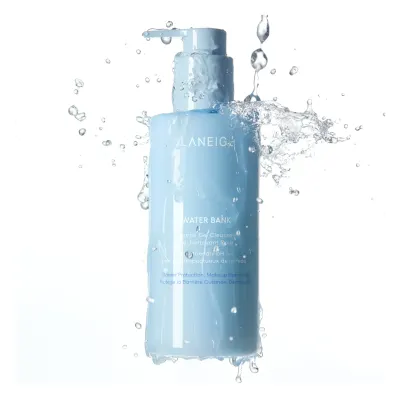
Laneige Water Bank Gentle Gel Cleanser
Blue Hyaluronic Acid, allantoin, and amino acid complex · sensitive skin · scent-free label
AmazonBrand lists it for oily skin
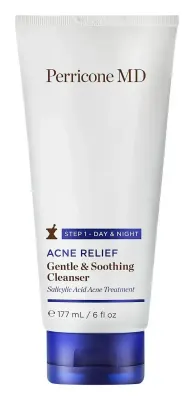
Perricone MD Acne Relief Gentle & Soothing Cleanser
Sucrose, squalane, and glycerin · oily, combination skin · scent-free label
AmazonBrand lists it for dry skin
Dermalogica intensive moisture cleanser
Ceramide NP, phytosterols, shea butter, murumuru seed butter, and conditioning oils · dry, normal skin · scented
Amazon

All 7 products with Sodium Cocoyl Isethionate
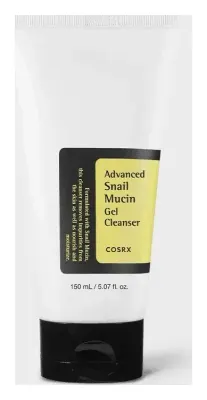
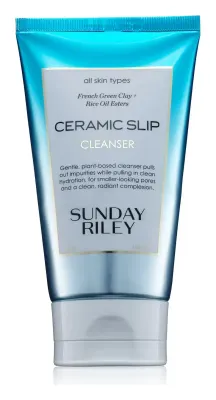
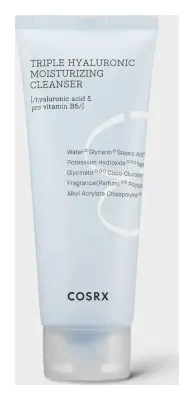
Gel, Foam & Cream Facial Cleansers (4)
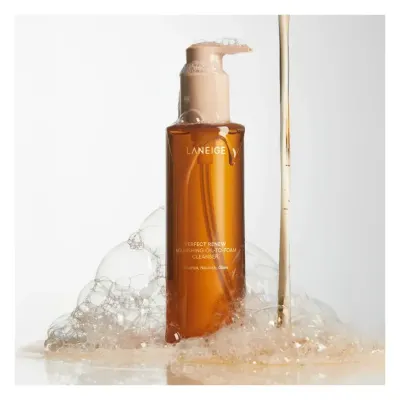
Premium Double-Cleansing Balms & Melting Gels (3)
Common questions
What does sodium cocoyl isethionate do?
It is a surfactant used to help water lift away oil, dirt, and makeup during cleansing. It can also create a creamy foam.
Is sodium cocoyl isethionate a gentle cleanser?
It is often used in rinse-off cleansers designed for a softer feel, but gentleness depends on the whole formula. Surfactant blend, product pH, contact time, and how often you wash all matter.
Is sodium cocoyl isethionate made from coconut?
The cocoyl part refers to a mixture of fatty chains associated with coconut-derived fatty acids. The ingredient is chemically processed, and the label does not give the exact source of its raw materials.
Can sodium cocoyl isethionate dry out skin?
Any cleanser can leave skin feeling tight if the formula or washing routine is too stripping for you. Rinse thoroughly, avoid over-cleansing, and choose a formula that leaves skin comfortable.