Sodium Lauroyl Sarcosinate
What sodium lauroyl sarcosinate does in cleansers, how a mild wash differs from a stripping one, and what your skin can tell you.
Extremely safeIn 11 products we cover
We may earn a commission when you buy through links on this page. It never changes what we recommend.
Quick facts
- INCI name
- Sodium Lauroyl Sarcosinate
- CAS number
- 137-16-6
- Origin
- Plant-derived or Synthetic
- Chemical class
- Anionic surfactant
- What it does in a formula
- cleansing, surfactant, foaming
- Why it is in the formula
- Usually included as a cleansing surfactant that helps lift oil and soil into rinse water.
What it is
Combining a lauric fatty-acid chain with sarcosine chemistry, sodium lauroyl sarcosinate is an anionic surfactant featured in foaming cleansers and washes. Its dual water- and oil-compatible structure allows it to bind surface sebum and grime so water can rinse them clean. It is distinct from harsher sulfates.
You may find it in facial cleansers, body washes, shampoos, and foaming products. It can contribute both cleansing and foam, but foam is not a reliable measure of how mild a cleanser is. The total surfactant blend, pH, concentration, contact time, and how thoroughly you rinse all influence the experience. This ingredient is a helper in a finished cleanser, not a guarantee that every formula will suit every face.
What it does
- Lifts oil and soil. It helps water remove oily residue, sunscreen, makeup, and everyday dirt during rinsing.
- Creates foam. It can support lather, though more bubbles do not necessarily mean more cleansing or a harsher product.
- Supports rinse-off cleansing. It is often combined with other surfactants to tune the formula’s cleansing and skin feel.
- Helps a formula spread. The surfactant blend can distribute through wet skin and rinse away with water.
Who it suits
The mildness of a cleanser depends on its full surfactant blend, pH, contact time, and how often you wash, not on foam alone. If the product leaves your skin persistently tight or uncomfortable, it may not be a good match for your routine. Rinse with lukewarm water and use a moisturizer if needed. A dermatologist can help with recurring irritation.
What to pair it with, and what not to
This surfactant is part of a rinse-off cleanser, so it does not need a serum partner. After washing, use a moisturizer with ingredients such as glycerin if your skin feels dry, and apply sunscreen in the daytime as directed. Do not judge cleanser mildness by foam or use a face wash longer than its directions suggest. A comfortable, effective wash is more useful than a squeaky finish.
Skin Realist check: A cleanser does not need to make your face squeak to prove it showed up for work.
Quick picks with Sodium Lauroyl Sarcosinate
Scent-free, no patch-test flags on the label
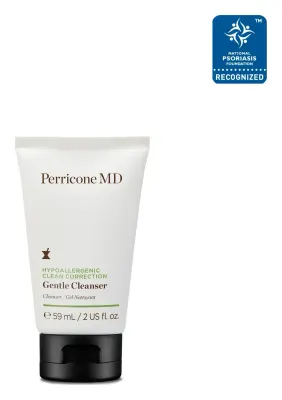
Perricone MD Hypoallergenic Clean Correction Gentle Cleanser
Fermented rice water, glycerin, and holy basil · sensitive skin · scent-free label
AmazonBrand lists it for sensitive skin
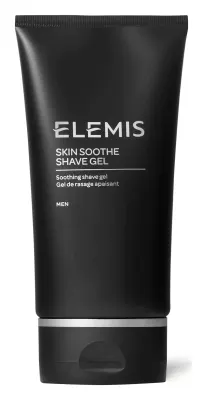
Elemis Skin Soothe Shave Gel
Aloe vera, witch hazel, jojoba esters, arnica, chamomile, and menthol · sensitive skin · scented
AmazonBrand lists it for oily skin
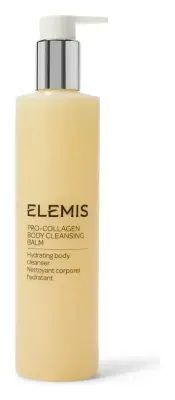
Elemis Pro-Collagen Body Cleansing Balm
Collagen amino acids, Padina pavonica, borago seed oil, camelina seed oil, echium seed oil · combination, dry, normal, oily skin · scented
Amazon
All 11 products with Sodium Lauroyl Sarcosinate
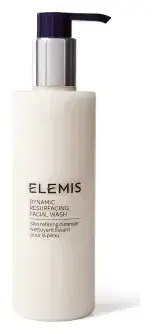
Gel, Foam & Cream Facial Cleansers (6)
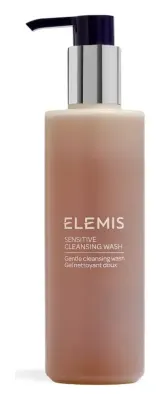
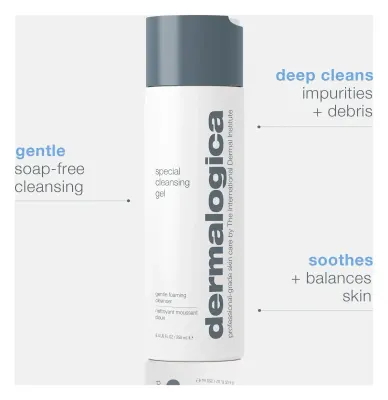
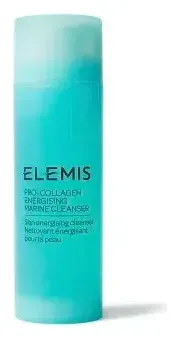

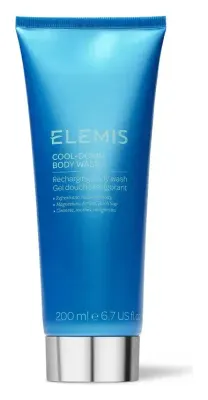
Body Creams, Butters & Body Oils (3)
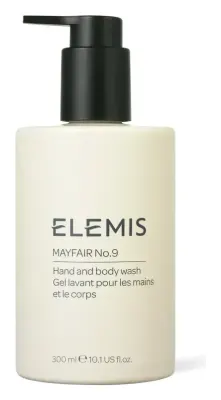
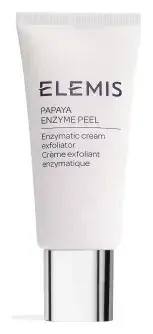
Physical & Enzyme Face Exfoliants (1)
Shaving Creams, Gels & Oils (1)
Common questions
What does sodium lauroyl sarcosinate do in a cleanser?
It is a surfactant that helps water lift away oil, sunscreen, makeup, and dirt so they can be rinsed off. It can also contribute to foam.
Is sodium lauroyl sarcosinate a sulfate?
No. It is an anionic cleansing surfactant, but it is not a sulfate surfactant such as sodium lauryl sulfate. The full formula and use conditions shape how a cleanser feels.
How can I tell if a cleanser is stripping?
A cleanser that leaves your skin persistently tight, dry, or uncomfortable may be too strong or used too often for you. Foam alone does not determine mildness; surfactant blend, concentration, pH, contact time, and rinsing all matter.
Is sodium lauroyl sarcosinate gentle?
It is used in rinse-off cleansers, but mildness is a property of the finished formula and how you use it. If you notice ongoing discomfort, stop and choose a cleanser that feels more comfortable.