Sodium Methyl Stearoyl Taurate
What sodium methyl stearoyl taurate does as a cleansing surfactant, how mildness depends on the whole cleanser, and who may prefer a different formula.
Extremely safeIn 5 products we cover
We may earn a commission when you buy through links on this page. It never changes what we recommend.
Quick facts
- INCI name
- Sodium Methyl Stearoyl Taurate
- Origin
- Synthetic
- Chemical class
- Anionic taurine-based surfactant
- What it does in a formula
- cleansing, surfactant, foaming
- Why it is in the formula
- It helps lift oil and dirt from skin while contributing to a creamy foam.
What it is
Engineered with a stearic fatty chain linked to taurine chemistry, sodium methyl stearoyl taurate is an anionic cleansing agent found in face washes and foaming cleansers. It works at the interface of oil and water to lift grime and sebum during rinsing, functioning as a technical surfactant rather than a standalone moisturizer or exfoliant.
It is related to other taurine-based surfactants, including sodium methyl cocoyl taurate, but those ingredient names are not interchangeable. Their fatty-acid profiles and sources may differ. In practice, this ingredient is often chosen for cleansing and foam in a formula designed to feel less harsh than some traditional soap-based cleansers.
What it does
- Cleanses. It helps loosen oil and soil so they can be rinsed away.
- Creates lather. It can contribute to a creamy foam, though more foam does not always mean better cleansing.
- Supports a mild-feeling wash. The surfactant can be part of a gentler cleanser blend, depending on the other ingredients and product design.
Who it suits
It may suit people looking for a cleanser that rinses without a squeaky finish. Still, mildness is about the finished formula, pH, contact time and washing habits. If your skin feels tight after cleansing, try using the cleanser less often, reduce the amount, or choose a different surfactant blend. Dry and sensitive skin can be affected by over-cleansing even with a cleanser marketed as gentle.
The ingredient itself does not tell you whether a product is fragrance-free or suitable for a known allergy. Review the full label, especially if you have reacted to other ingredients. Stop using a cleanser that causes persistent irritation and consult a dermatologist for recurring problems.
What to pair it with, and what not to
After washing, use a moisturizer if your skin feels dry or tight. You do not need another cleanser ingredient to balance this surfactant, and scrubbing harder will not improve a formula that is too drying for you. Follow the product’s rinse-off directions.
Skin Realist check: A cleanser that rinses clean without theatrics is a small luxury.
Quick picks with Sodium Methyl Stearoyl Taurate
Featured in our guides
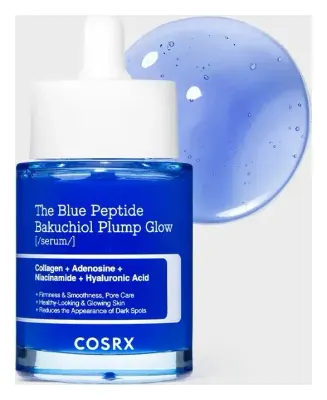
COSRX The Blue Peptide Bakuchiol Plump Glow Serum
Copper Peptide + Bakuchiol · scent-free label
Amazon
All 5 products with Sodium Methyl Stearoyl Taurate
Anti-Aging & Retinoid Serums (2)

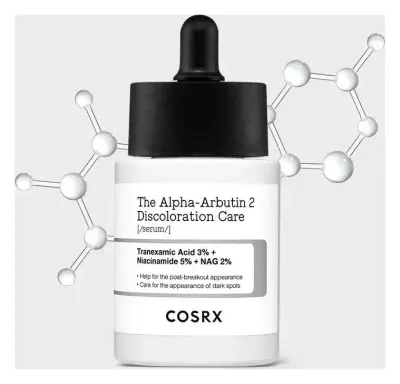
Targeted Vitamin C & Brightening Correctors (2)
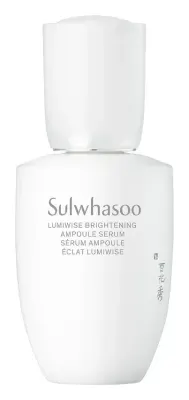
Hydrating Serums, Essences & Ampoules (1)

Common questions
What does Sodium Methyl Stearoyl Taurate do?
It is a surfactant used in cleansers to help lift oil and dirt from skin. It can also contribute to a soft, creamy lather.
Is Sodium Methyl Stearoyl Taurate a mild cleanser?
It is often selected for gentle-feeling cleansing, but mildness depends on the cleanser's full surfactant blend, pH, use and rinse time. No single ingredient guarantees that a cleanser will suit everyone.
Does this ingredient dry out skin?
A cleanser may leave skin feeling tight depending on the whole formula and how often you wash. If that happens, use it less often or switch to a more comfortable cleanser.
Is Sodium Methyl Stearoyl Taurate the same as sodium methyl cocoyl taurate?
They are related taurine-based surfactant names but refer to distinct INCI ingredients and fatty-acid sources. Do not assume they are identical just because the names look similar.