Sorbitol
What Sorbitol does in skincare, its usual role in cosmetic formulas, who may prefer it, and what to know before using it.
Extremely safeIn 9 products we cover
We may earn a commission when you buy through links on this page. It never changes what we recommend.
Quick facts
- INCI name
- Sorbitol
- CAS number
- 50-70-4
- Origin
- Plant-derived or Synthetic
- Chemical class
- Sugar alcohol (polyol)
- What it does in a formula
- humectant, skin conditioning
- Why it is in the formula
- Usually used as a humectant to help a product support a hydrated, comfortable feel.
What it is
Occurring naturally in stone fruits and produced commercially from glucose, sorbitol is a six-carbon sugar alcohol (polyol) that acts as a cosmetic humectant. Despite containing the word alcohol, it attracts water to skin tissues and has none of the fast-evaporating or drying qualities of denatured rubbing alcohol.
Cosmetic formulators mainly use sorbitol as a humectant, where it can help bind water and contribute to a hydrated feel. It may appear in cleansers, moisturizers, and other water-based products. Its presence does not make a cosmetic equivalent to candy, and it does not determine whether the finished formula feels sticky.
What it does
- Attracts water. Sorbitol is a humectant that can support hydration at the skin surface.
- Conditions formulas. It can contribute to a comfortable feel in products that contain water.
- Is not a drying alcohol. It is a sugar alcohol, distinct from ethanol or denatured alcohol.
Who it suits
Sorbitol can appear in products for dry, normal, oily, and combination skin because humectants are widely used. If you dislike tacky textures, try the finished product rather than judging from the ingredient name; texture depends on the entire formula and how much you use. It is a supporting ingredient, not a reason by itself to buy a product.
What to pair it with, and what not to
Sorbitol can be used alongside glycerin or other humectants and followed by an emollient moisturizer if you want more cushioning. There is no special ingredient it conflicts with. A balanced product formula matters more than building a routine around each individual humectant. There is no need to build a routine around this ingredient alone. Choose compatible textures, follow product directions, and let the complete formula do its intended job.
Skin Realist check: Sugar chemistry is not a skincare personality type. The formula gets to be judged on what it actually feels like.
Quick picks with Sorbitol
Scent-free, no patch-test flags on the label
Perricone MD High Potency Hyaluronic Intensive Moisturizer
Three forms of hyaluronic acid, DMAE and rosemary leaf extract · scent-free label
AmazonBrand lists it for sensitive skin
Dermalogica stress positive eye lift mask
Wild Indigo Seed Extract, Sea Water Extract, Arctic Algae, Fermented Yeast, and Hyaluronic Acid · oily, dry, combination, sensitive, normal skin · scented
AmazonBrand lists it for oily skin
Elemis ULTRA SMART Pro-Collagen Aqua Infusion Mask
ULTRA SMART Aqua Shuttle Technology, sodium hyaluronate, Padina pavonica, collagen amino acids · combination, dry, normal, oily, sensitive skin · scented
Amazon

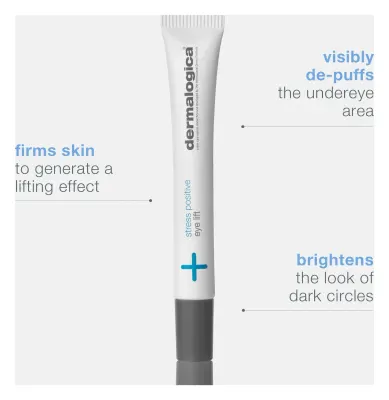

All 9 products with Sorbitol
Daily Moisturizers & Water Gel Creams (3)


Eye Creams & Under-Eye Patches (2)
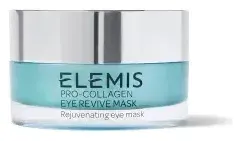
Cream & Gel Treatment Masks (2)
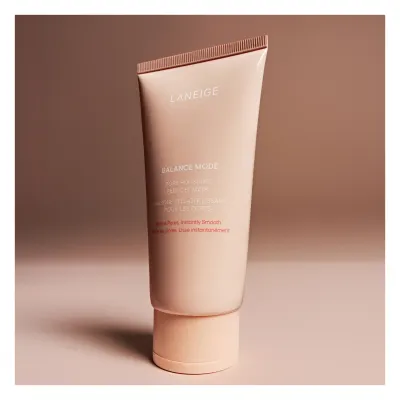
Anti-Aging & Retinoid Serums (1)

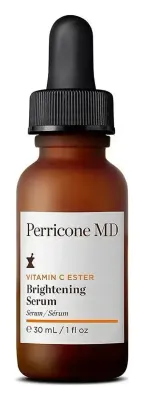
Targeted Vitamin C & Brightening Correctors (1)
Common questions
What does sorbitol do in skincare?
Sorbitol is a humectant that can help bind water and support a hydrated feel. It is used as a supporting ingredient in many formulas.
Is sorbitol a drying alcohol?
No. Sorbitol is a sugar alcohol, or polyol, rather than a volatile alcohol such as ethanol. It is commonly used as a humectant.
Is sorbitol natural?
Sorbitol occurs in some fruits and can also be manufactured. The ingredient list does not identify the source used in a particular product.