Styrene/Acrylates Copolymer
What styrene/acrylates copolymer does as a cosmetic film former and texture modifier, and how to understand the word polymer.
Extremely safeIn 5 products we cover
We may earn a commission when you buy through links on this page. It never changes what we recommend.
Quick facts
- INCI name
- Styrene/Acrylates Copolymer
- Origin
- Synthetic
- Chemical class
- Synthetic copolymer
- What it does in a formula
- film forming, viscosity controlling, opacifying
- Why it is in the formula
- Usually added to create a film, tune viscosity, or give a product an opaque or pearly appearance.
What it is
Combining styrene and acrylic monomer units into a synthetic polymer chain, styrene/acrylates copolymer is a multi-functional cosmetic ingredient. Depending on how formulators configure the copolymer, it can function as a film-forming agent, opacifying additive, or texture builder in makeup and skincare.
This copolymer may function as a film former, viscosity modifier, or opacifying ingredient. It can help give a formula body or create a smooth coating after application. It is not a plant extract or a skin active. Claims about microplastics also depend on the material’s form and how it is used; a polymer name alone does not establish that it is a solid plastic particle.
What it does
- Forms a film. It can leave a light polymer layer that affects how the product sits on skin.
- Changes texture. It may help thicken a product or improve consistency.
- Adds opacity. In some formulas, it contributes to a more opaque or pearly appearance.
Who it suits
You may see styrene/acrylates copolymer in makeup, sunscreen, and other formulas where a film or particular texture is useful. Its presence does not predict whether a product will feel comfortable or whether it will suit a specific skin type. Look at the complete formula and use the product as directed.
If you prefer to avoid particular synthetic polymers, review the full ingredient list and consider the product’s format. A polymer is not automatically a microplastic particle, and definitions vary. If you have sensitive skin or a known allergy, patch-test a new product and stop using it if persistent irritation develops.
What to pair it with, and what not to
This polymer does not need an active ingredient alongside it. It can be formulated with emollients or pigments depending on the product. Use the finished formula for its intended purpose and avoid building a routine around one texture modifier.
Skin Realist check: A little formula engineering can make a product look and spread the way it is meant to. No one needs to fall in love with the polymer.
Quick picks with Styrene/Acrylates Copolymer
Scent-free, no patch-test flags on the label
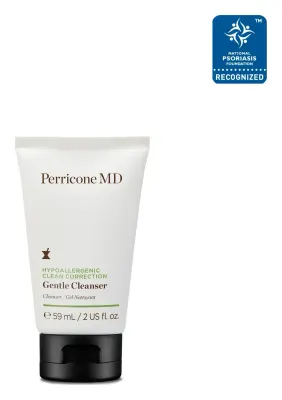
Perricone MD Hypoallergenic Clean Correction Gentle Cleanser
Fermented rice water, glycerin, and holy basil · sensitive skin · scent-free label
Amazon
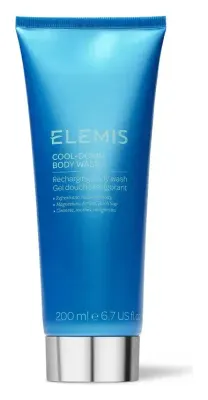
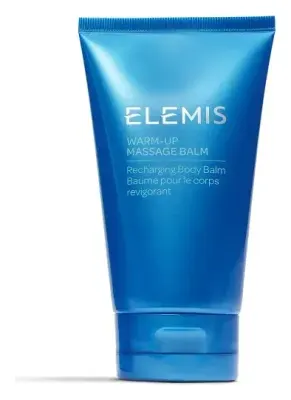
All 5 products with Styrene/Acrylates Copolymer
Body Creams, Butters & Body Oils (2)
Gel, Foam & Cream Facial Cleansers (1)
Daily Moisturizers & Water Gel Creams (1)

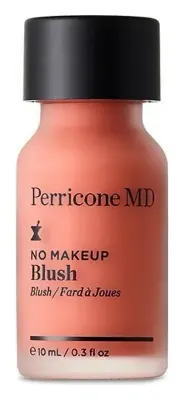
Blush, Bronzers & Highlighters (1)
Common questions
What does styrene/acrylates copolymer do in cosmetics?
It is a synthetic polymer used as a film former and texture modifier. Depending on the formula, it can help create a coating, adjust thickness, or add opacity.
Is styrene/acrylates copolymer a plastic?
It is a synthetic polymer, a broad class of materials that includes many different structures and uses. Calling it a polymer does not by itself tell you whether it is a solid particle or how it behaves in a product.
Is styrene/acrylates copolymer a microplastic?
Definitions of microplastic vary, and the term generally refers to small plastic particles rather than every polymer used in a formula. The ingredient name alone does not establish particle size or environmental behavior.
Is styrene/acrylates copolymer bad for sensitive skin?
The ingredient name alone does not predict how a finished cosmetic will feel on your skin. Consider the complete formula and patch-test a new product if you have a known sensitivity.