Sucrose Stearate
What sucrose stearate does in skincare, how it helps oil and water mix, and what its emulsifying role means for product feel.
Extremely safeIn 6 products we cover
We may earn a commission when you buy through links on this page. It never changes what we recommend.
Quick facts
- INCI name
- Sucrose Stearate
- CAS number
- 25168-73-4
- Origin
- Plant-derived or Animal-derived or Synthetic
- Chemical class
- Sucrose fatty-acid ester
- What it does in a formula
- emulsifying, surfactant, skin conditioning
- Why it is in the formula
- Usually used to emulsify oil and water and help create a stable, smooth cream or lotion.
What it is
Formed by esterifying table sugar (sucrose) with stearic acid, sucrose stearate is a mild nonionic emulsifier and skin-conditioning agent. It helps oil and water mix smoothly in creams and lotions, providing a pleasant spread without functioning simply as raw granular sugar dissolved in a formula.
The starting materials may come from plant sources, but the stearic acid can have different origins and the ingredient is produced through processing. You may find sucrose stearate in moisturizers, cleansers, and other products that need a blended oil-and-water base. It is a helper ingredient, not the reason to buy a product for a skin benefit.
What it does
- Emulsifies oil and water. It helps combine ingredients that would otherwise separate, giving a cream or lotion a uniform appearance.
- Supports product stability. A well-designed emulsion can remain consistent during ordinary storage and use.
- Affects skin feel. Emulsifier choice influences glide, creaminess, and how a product settles after application.
- Helps shape the formula. Its presence does not tell you whether the product is rich or light by itself. Other oils, waxes, and thickeners matter too.
Who it suits
Sucrose stearate is a formulation helper found in products across different categories. You do not need to seek it out based on skin type. The overall formula determines whether a cream feels light, rich, or comfortable for you. A single emulsifier is not enough to predict whether a product will clog pores, and old comedogenic charts are not reliable for that purpose.
Because its fatty-acid source may vary, people who need to know whether an ingredient is plant or animal derived can ask the manufacturer. The label itself may not make that distinction. If a product repeatedly causes discomfort, stop using it and consider the entire ingredient list.
What to pair it with, and what not to
Sucrose stearate does not need an active partner in your routine. It is already helping hold the oil and water portions of a finished product together. Choose the product for its full formula and texture, and use as directed.
Skin Realist check: A good supporting ingredient does not have to be the most memorable name in the room.
Quick picks with Sucrose Stearate
Scent-free, no patch-test flags on the label
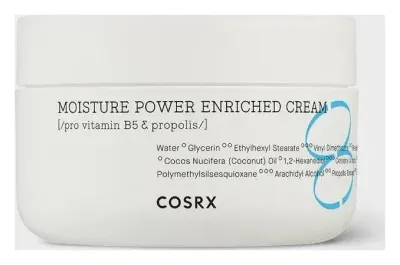
COSRX Hydrium Moisture Power Enriched Cream
scent-free label
AmazonFeatured in our guides
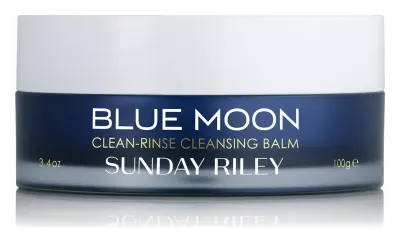
Sunday Riley Blue Moon Clean Rinse Cleansing Balm
scented
Amazon
All 6 products with Sucrose Stearate
Premium Double-Cleansing Balms & Melting Gels (3)
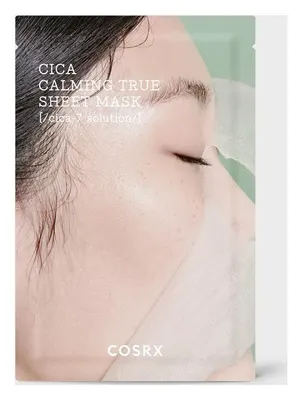
Sheet, Hydrogel & Clay Masks (1)
Daily Moisturizers & Water Gel Creams (1)
Mineral Pressed Powders & Skin-Nourishing Primers (1)

Common questions
What does sucrose stearate do in skincare?
It helps oil and water mix, making it useful in emulsions such as creams and lotions. It can also affect how a product spreads and feels.
Is sucrose stearate a sugar?
It is an ester made from sucrose and stearic acid, a fatty acid. It is not the same as table sugar added to a product.
Is sucrose stearate natural?
Its starting materials may be plant-derived, but the ingredient is made through chemical processing, and the source of its fatty acid can vary.
Can sucrose stearate clog pores?
There is no reliable comedogenic number that predicts how a finished product will behave. The complete formula and its texture matter more than one emulsifier.