Synthetic Wax
What synthetic wax does in balms and makeup, how it helps a product hold its shape, and what its polymer label does not tell you.
Extremely safeIn 6 products we cover
We may earn a commission when you buy through links on this page. It never changes what we recommend.
Quick facts
- INCI name
- Synthetic Wax
- Origin
- Synthetic
- Chemical class
- Synthetic wax blend
- What it does in a formula
- viscosity controlling, film forming, binding
- Why it is in the formula
- Usually used to structure a balm or stick and help it hold its shape.
What it is
Manufactured from synthetic hydrocarbon fractions to ensure physical purity and batch consistency, synthetic wax provides structure, hardness, and thermal stability to stick formulas and balms. It serves as a reliable vegan alternative to animal-derived beeswax and botanical waxes like carnauba or candelilla.
What it does
- Builds structure. Synthetic wax adds thickness and helps a stick or balm remain solid.
- Supports a film. It can leave a waxy layer that helps reduce friction and gives a product a protective feel.
- Changes melting and glide. Formulators use wax blends to balance firmness with how easily a product applies.
- Acts as a synthetic material. It is not a plant-derived alternative, even though it performs a role similar to natural waxes.
Who it suits
Synthetic wax is mainly a texture ingredient, not something selected for one skin type. It is a manufactured polymer-like wax, but that alone does not make it equivalent to plastic microbeads. The US Microbead-Free Waters Act bans plastic microbeads in rinse-off cosmetics, not all synthetic polymers in cosmetics. Environmental behavior depends on the specific material and its use, details a basic label does not provide.
What to pair it with, and what not to
There is nothing special to pair with synthetic wax. It is part of a finished balm or stick, often alongside oils and emollients. Choose the product for its intended use and feel.
Skin Realist check: A balm that keeps its shape is useful engineering, even if the ingredient name is not a conversation starter.
Quick picks with Synthetic Wax
Scent-free, no patch-test flags on the label
COSRX The Blue Peptide Bakuchiol Plump Bounce Cream
Copper Peptide + Bakuchiol · scent-free label
AmazonBrand lists it for sensitive skin
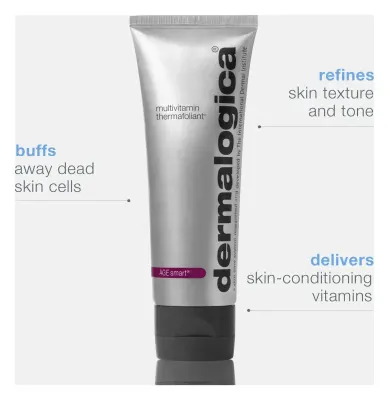
Dermalogica multivitamin thermafoliant
Lactic acid, salicylic acid, retinol, and tetrahexyldecyl ascorbate · oily, dry, combination, sensitive, normal skin · scented
Amazon

All 6 products with Synthetic Wax
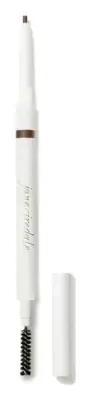
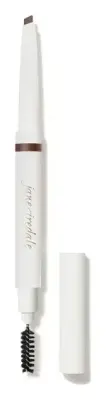
Eye Shadows, Liners, Mascara & Brow Makeup (2)
Physical & Enzyme Face Exfoliants (1)
Daily Moisturizers & Water Gel Creams (1)
Blush, Bronzers & Highlighters (1)
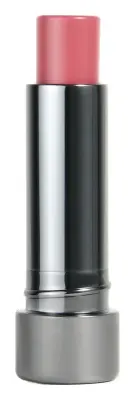
Lipsticks, Glosses & Lip Liners (1)
Common questions
What does synthetic wax do in skincare?
It helps thicken and structure products such as lip balms, sticks, and ointments. It can also contribute to a protective-feeling film.
Is synthetic wax a plant wax?
No. It is a manufactured wax material rather than a wax pressed from a plant. The specific blend can vary by supplier.
Is synthetic wax a microplastic?
It is a synthetic polymer-like wax, but that alone does not establish whether it meets a particular definition of microplastic. The US Microbead-Free Waters Act bans plastic microbeads in rinse-off products, not all synthetic polymers in cosmetics.
Can synthetic wax clog pores?
It is commonly used to provide structure in a balm or stick, and the finished formula determines how it feels. There is no reliable universal comedogenic score for the ingredient.