T-Butyl Alcohol
What t-butyl alcohol does in cosmetics as a volatile solvent, why it is not a fatty alcohol, and when a cautious patch test makes sense.
Patch-test firstIn 6 products we cover
We may earn a commission when you buy through links on this page. It never changes what we recommend.
Quick facts
- INCI name
- t-Butyl Alcohol
- CAS number
- 75-65-0
- Origin
- Synthetic
- Chemical class
- Volatile tertiary alcohol
- What it does in a formula
- solvent, denaturant, viscosity controlling
- Why it is in the formula
- Helps dissolve ingredients or adjust formula properties in small amounts.
What it is
Known chemically as tert-butanol, t-butyl alcohol is a small, volatile simple alcohol used in select cosmetics as a formulation solvent, denaturant, or processing aid. It is neither a waxy fatty alcohol like cetearyl alcohol nor an active treatment, evaporating rapidly after helping dissolve specific ingredients.
This ingredient is not the main reason to buy a skincare product. Its presence does not tell you the exact concentration or predict the finished feel by itself. Do not confuse it with alcohol denat., though both names refer to simple alcohol materials rather than the long-chain fatty-alcohol family.
What it does
- Acts as a solvent. It can help dissolve or distribute ingredients during formulation.
- Helps tune formula properties. A formulator may use a small amount to adjust texture, flow, or other product characteristics.
- Can evaporate from the surface. Unlike an emollient oil, a volatile alcohol does not leave the same lasting oily film.
Who it suits
Because t-butyl alcohol is a volatile simple alcohol, it is a reasonable ingredient to approach cautiously if your skin is easily irritated or you have had trouble with similar products. That does not mean every formula containing it will feel drying. The amount, product type, and combination of ingredients all make a difference.
Patch-test a new formula if you are sensitive, and stop using it if it causes persistent stinging, tightness, or redness. Do not assume that an ingredient caused a reaction just because its name is unfamiliar; fragrance and other components may matter too. If reactions recur, a dermatologist can help identify potential triggers.
What to pair it with, and what not to
There is nothing to pair with t-butyl alcohol as a standalone ingredient because it belongs inside a finished formula. If a product feels drying, follow with a moisturizer that suits you, perhaps with glycerin. Avoid layering multiple irritating or drying-feeling products while assessing a reaction.
Skin Realist check: Some ingredient names deserve a cautious read, not a panic scroll.
Quick picks with T-Butyl Alcohol
Brand lists it for oily skin
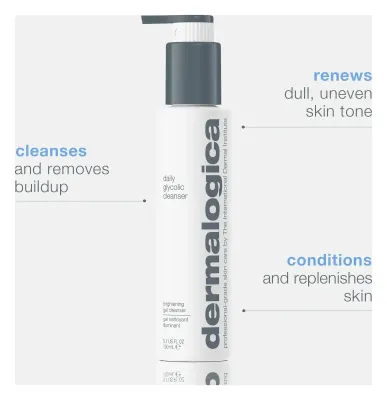
Dermalogica daily glycolic cleanser
Glycolic acid, jojoba seed oil and calendula extract · normal, combination, oily skin · scented
AmazonBrand lists it for dry skin
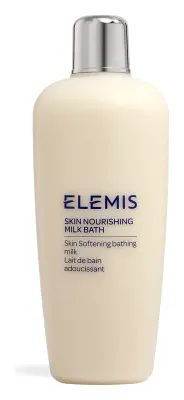
Elemis Skin Nourishing Milk Bath
Milk protein, Japanese camellia oil, macadamia oil, and oat kernel extract · dry skin · scented
Amazon
All 6 products with T-Butyl Alcohol
Hydrating Serums, Essences & Ampoules (4)

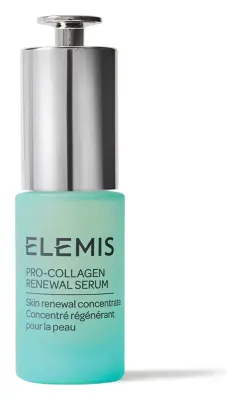
Gel, Foam & Cream Facial Cleansers (1)
Body Creams, Butters & Body Oils (1)
Common questions
What is t-butyl alcohol in skincare?
T-Butyl alcohol, also called tert-butanol, is a simple volatile alcohol used in small amounts as a solvent or formulation aid. It is not a fatty alcohol.
Is t-butyl alcohol the same as cetearyl alcohol?
No. T-Butyl alcohol is a small, volatile alcohol, while cetearyl alcohol is a mixture of long-chain fatty alcohols used to soften and thicken products. Their functions and feel differ.
Can t-butyl alcohol dry out skin?
Simple alcohols can contribute to a drying or irritating feel depending on amount and formula. The label does not disclose its exact concentration, so consider how the finished product feels.
Who should patch-test products with t-butyl alcohol?
If your skin is sensitive or you have reacted to products containing volatile alcohols, patch-test first and stop if irritation persists. Ask a dermatologist about recurring reactions.