Trihydroxystearin
How trihydroxystearin thickens and stabilizes cosmetics, including the smooth, structured feel it can add to creams and makeup.
Extremely safeIn 5 products we cover
We may earn a commission when you buy through links on this page. It never changes what we recommend.
Quick facts
- INCI name
- Trihydroxystearin
- CAS number
- 139-44-6
- Origin
- Plant-derived or Synthetic
- Chemical class
- Hydroxylated fatty acid triglyceride
- What it does in a formula
- viscosity controlling, stabilizing, emollient
- Why it is in the formula
- It thickens oil phases and helps give creams or makeup a structured, smooth texture.
What it is
Derived from the hydrogenated fatty acids of castor oil, trihydroxystearin is a specialty triglyceride that serves as a rheological additive and thickener. In cosmetic balms, lip products, and rich emulsions, it forms an internal structural network that prevents phase separation and maintains uniform suspension.
The ingredient may also help suspend pigments or prevent an oil-rich product from feeling too thin. It is a formulation aid, not an active meant to change skin biology. How it performs depends on the amount used and on the combination of oils, waxes, and other thickeners in the product.
What it does
- Thickens oil phases. It helps give balms, creams, and makeup body.
- Supports stability. It can help keep pigments or other materials evenly suspended.
- Adds a conditioned feel. Its fatty structure can contribute to a smooth, emollient texture.
Who it suits
Trihydroxystearin is a behind-the-scenes ingredient. It is used in products for many skin types, and its presence alone does not predict whether a formula will feel heavy or clog pores. The rest of the ingredients, the product type, and how much you apply make a bigger difference.
If a product feels too rich or causes persistent irritation, discontinue use and review the full formula. There is no need to seek trihydroxystearin specifically or avoid it because of its technical name. Choose a product for the finish you prefer and use it as directed.
What to pair it with, and what not to
Trihydroxystearin does not need a separate ingredient in your routine. It works within the formula alongside oils, waxes, or pigments. Follow the product directions, and do not mix raw thickeners into finished products. If you prefer a lighter texture, choose a lighter formula instead.
Skin Realist check: A well-behaved texture is an underrated luxury. The ingredient list does not need to make it a personality trait.
Quick picks with Trihydroxystearin
Scent-free, no patch-test flags on the label
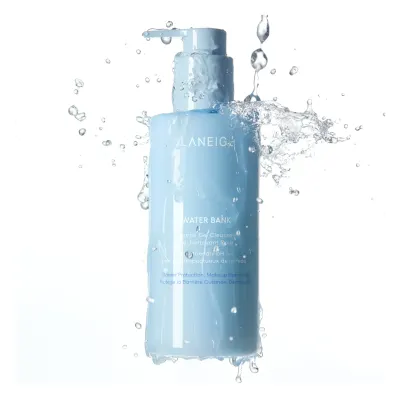
Laneige Water Bank Gentle Gel Cleanser
Blue Hyaluronic Acid, allantoin, and amino acid complex · sensitive skin · scent-free label
AmazonFeatured in our guides
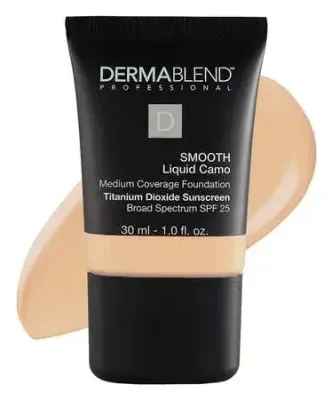
Dermablend Smooth Liquid Camo Foundation
scent-free label
Amazon
All 5 products with Trihydroxystearin
Gel, Foam & Cream Facial Cleansers (1)
Full-Coverage Camouflage & Liquid Foundations (1)
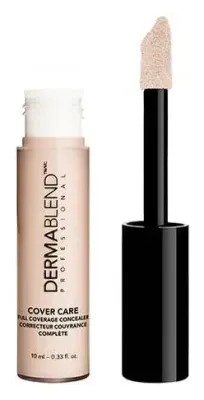
High-Definition Camouflage Concealers (1)
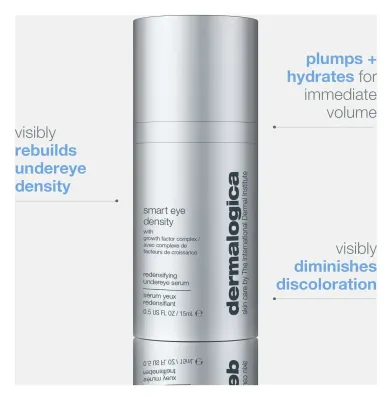
Eye Creams & Under-Eye Patches (1)
Mineral Pressed Powders & Skin-Nourishing Primers (1)

Common questions
What does trihydroxystearin do in skincare?
It is used as a thickener and stabilizer, especially in oil-based formulas. It can help creams and makeup keep a smooth, structured texture.
Is trihydroxystearin an oil?
It is a modified triglyceride based on a hydroxylated fatty acid, not a typical liquid plant oil. It is often used to thicken or gel the oil phase of a formula.
Is trihydroxystearin natural?
It may be derived from plant-based fatty materials and then processed, but sourcing can vary. The label alone does not identify the source.
Why is it in makeup?
It can help thicken an oily formula and suspend pigments, giving makeup a more even texture. Its purpose is formulation support rather than a skin treatment.