Triolein
What triolein is, how this oil-like triglyceride softens skin and supports cosmetic texture, and why its source can vary.
Extremely safeIn 7 products we cover
We may earn a commission when you buy through links on this page. It never changes what we recommend.
Quick facts
- INCI name
- Triolein
- CAS number
- 122-32-7
- Origin
- Plant-derived or Animal-derived or Synthetic
- Chemical class
- Triglyceride (oleic acid ester)
- What it does in a formula
- emollient, skin conditioning, solvent
- Why it is in the formula
- Usually used as an oily emollient to soften skin and help dissolve oil-soluble ingredients.
What it is
Naturally occurring as the predominant triglyceride lipid in extra virgin olive oil, triolein is a symmetrical fat molecule composed of glycerol bonded to three oleic acid chains. In cosmetics it provides rich emolliency, barrier lipid supplementation, and soft glide in creams and face oils.
In skincare, triolein is used as an oily emollient. It may appear in creams, makeup, or oil-rich products where a smooth, lubricating feel is useful. It is not an exfoliating acid despite having the word oleic acid in its chemical description.
What it does
- Softens skin. Triolein can leave a smoother, more supple feel by adding an emollient layer.
- Improves slip. Oily materials can help a cream or balm glide more easily across skin.
- Carries oil-soluble ingredients. It can help dissolve or distribute ingredients that do not mix well with water.
- Contributes to a richer finish. The overall weight and feel depend on the amount used and the rest of the formula.
Who it suits
If you like emollient products, triolein may contribute to the smooth, conditioned feel you enjoy. People who prefer a lightweight finish may find a formula containing it too rich, though the ingredient’s name alone cannot predict that. It is not automatically unsuitable for oily or blemish-prone skin. Comedogenic charts are unreliable guides to the behavior of complete formulas.
The source may be plant, animal, or manufactured, and the label usually does not specify which. If source matters for dietary, ethical, or allergy reasons, ask the manufacturer for more information. If a product causes repeated discomfort, stop use and consider every ingredient in it.
What to pair it with, and what not to
Triolein does not require a special partner. It can be used in a moisturizer or oil blend with water-binding ingredients and other emollients, depending on the formula. Choose a product by its complete texture and directions; there is no need to layer another oil on top just because triolein is on the label.
Skin Realist check: An emollient can simply make a formula feel nicer. Not every ingredient needs a second job.
Quick picks with Triolein
Scent-free, no patch-test flags on the label
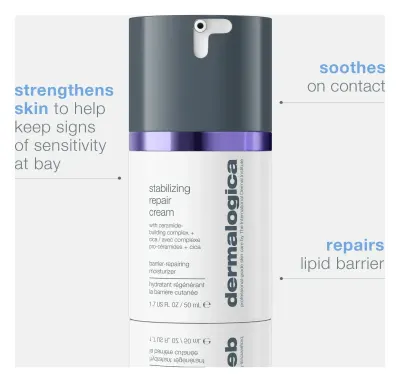
Dermalogica stabilizing repair cream
Resurrection Plant, Tasmania lanceolata extract, Boerhavia diffusa root, and a ceramide-building complex · sensitive skin · scent-free label
AmazonBrand lists it for sensitive skin
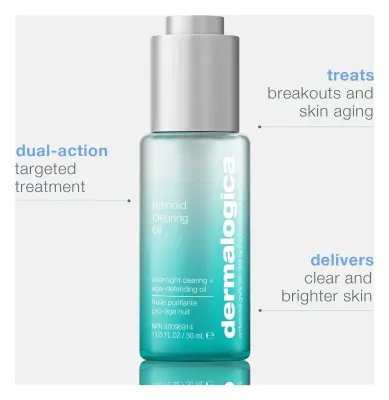
Dermalogica retinoid acne clearing oil
Salicylic acid 2.0%, retinyl propionate, jojoba seed oil, rosehip seed oil, argan oil · normal, dry, combination, oily, sensitive skin · scented
AmazonBrand lists it for oily skin
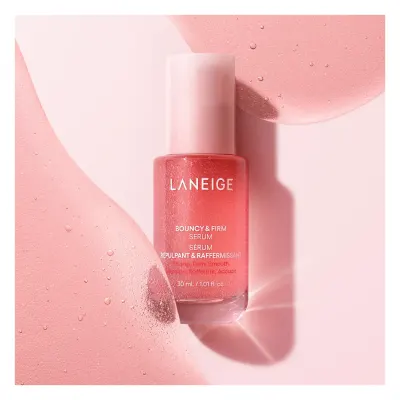
Laneige Bouncy & Firm Serum
Niacinamide, soluble collagen, peptide complex, beta-glucan · normal, dry, combination, oily skin · scented
Amazon
All 7 products with Triolein
Skin Barrier Repair Creams & Recovery Jars (2)
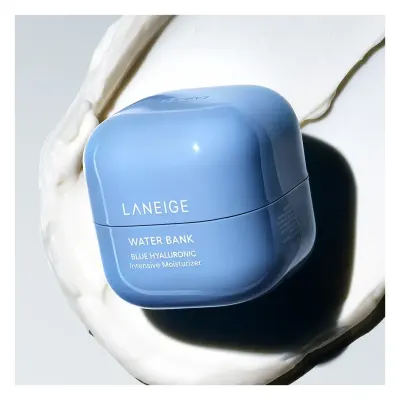
Hydrating Serums, Essences & Ampoules (2)
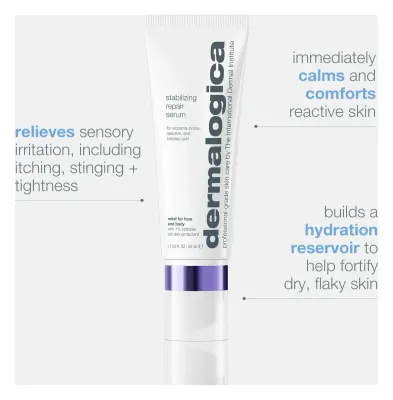
Anti-Aging & Retinoid Serums (1)
Dermatological Acne & Chemical Exfoliating Liquids (1)

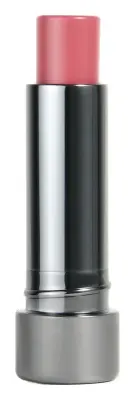
Blush, Bronzers & Highlighters (1)
Common questions
What does triolein do in skincare?
Triolein is an oily emollient that can soften skin and improve a formula's slip. It may also help dissolve oil-soluble ingredients.
Is triolein the same as olive oil?
No. Triolein is a defined triglyceride made from glycerol and three oleic acid units. Olive oil is a mixture of many fats and minor components, though triolein is one of its constituents.
Is triolein natural?
It can occur in plant and animal fats and can also be made for ingredient use. The label does not identify the source used in a finished product.
Can triolein clog pores?
There is no dependable single-ingredient comedogenic score that predicts how a whole product will behave.