Xylitylglucoside and Anhydroxylitol
What xylitylglucoside and anhydroxylitol mean on a label, how these sugar-derived humectants support hydration, and what not to expect.
Extremely safeIn 9 products we cover
We may earn a commission when you buy through links on this page. It never changes what we recommend.
Quick facts
- INCI name
- Xylitylglucoside
- CAS number
- 1095751-96-4
- Origin
- Plant-derived or Synthetic
- Chemical class
- Sugar-derived humectant
- What it does in a formula
- humectant, skin conditioning
- Why it is in the formula
- Usually included as a water-binding humectant to help skin feel hydrated and comfortable.
What it is
Derived from natural plant sugars through green chemistry synthesis, xylitylglucoside and anhydroxylitol are complementary humectants frequently paired together in patented moisturizing complexes. Although often formulated in unison to optimize epidermal hydration, each represents a distinct INCI entity that must be verified on the product package.
The starting materials are carbohydrate-based, but the finished ingredients are manufactured through processing. Their main cosmetic role is to support hydration by helping water stay associated with the formula and outer skin. They are sometimes presented as part of a multi-ingredient moisturizing complex. That marketing does not turn them into a high-strength active or tell you how much of each is in the product.
What it does
- Acts as a humectant. Xylitylglucoside helps attract or bind water, contributing to a hydrated feel.
- Supports a smooth finish. A humectant blend can help reduce the dry or tight feel that comes with moisture loss.
- Works in a broader moisturizer. The other humectants, emollients, and occlusives in a formula also affect how long the comfortable feel lasts.
- Stays in the hydration lane. It is a supporting hydrator, not an exfoliant or a replacement for sunscreen or a moisturizer suited to your routine.
Who it suits
People looking for a water-based hydration step may find these ingredients in serums and creams. They are not limited to one skin type, though a formula’s texture may suit some preferences better than others. If a lightweight serum leaves you wanting more comfort, a moisturizer with emollients can be layered over it according to product directions.
These ingredients do not provide a reason to expect a dramatic change in tone or texture. If you have sensitive skin, a new finished product can still bother you because the formula contains many components. Stop use if it repeatedly causes discomfort and consider the full label. For ongoing irritation or a skin condition, ask a dermatologist for advice.
What to pair it with, and what not to
Xylitylglucoside and anhydroxylitol can be used with familiar routine ingredients. A humectant serum is often followed by a moisturizer, particularly if your skin feels dry. There is no special active that must accompany them, and the two names should not be assumed to appear together unless both are on the label.
Skin Realist check: Hydration is welcome. A new name for it does not need a parade.
How it appears on labels: Xylitylglucoside; Anhydroxylitol
Quick picks with Xylitylglucoside and Anhydroxylitol
Scent-free, no patch-test flags on the label
Perricone MD Cold Plasma Plus+ Advanced Hydrating Complex
Niacinamide, squalane, beet root extract, sodium hyaluronate and peptide complexes · scent-free label
AmazonBrand lists it for sensitive skin
Elemis ULTRA SMART Pro-Collagen Aqua Infusion Mask
ULTRA SMART Aqua Shuttle Technology, sodium hyaluronate, Padina pavonica, collagen amino acids · combination, dry, normal, oily, sensitive skin · scented
AmazonBrand lists it for dry skin
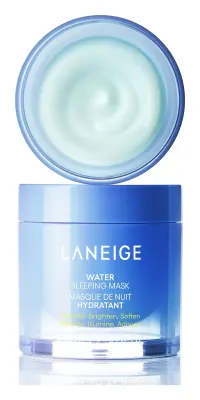
Laneige Water Sleeping Mask
Squalane, niacinamide, ceramides, three types of hyaluronic acid · dry, normal skin · scented
Amazon


All 9 products with Xylitylglucoside and Anhydroxylitol
Hydrating Serums, Essences & Ampoules (2)

Full-Coverage Camouflage & Liquid Foundations (2)
Premium Overnight Recovery Packs & Sleeping Facials (1)
Premium Double-Cleansing Balms & Melting Gels (1)
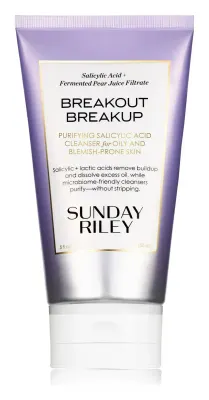
Cream & Gel Treatment Masks (1)
Daily Moisturizers & Water Gel Creams (1)
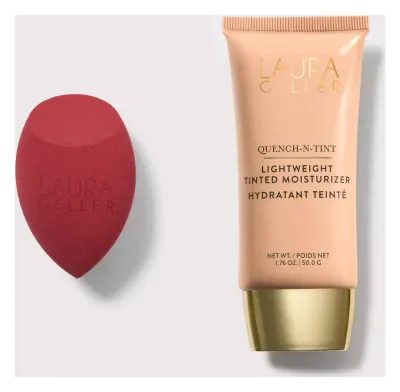
High-Definition Camouflage Concealers (1)
Common questions
What is xylitylglucoside in skincare?
It is a sugar-derived humectant used to help bind water in a formula and support a hydrated skin feel. It is often seen with anhydroxylitol in the same product family.
Are xylitylglucoside and anhydroxylitol the same ingredient?
No. They are distinct ingredient names, though they can appear together in a humectant blend. A label listing one does not prove that it also contains the other.
Is xylitylglucoside a strong active?
It is mainly a hydrator, even when marketed as part of an active blend. It should not be confused with an exfoliating or treatment ingredient.
Can I use these humectants with other skincare ingredients?
They can be used as part of an ordinary routine and do not require a special pairing. Follow the directions for the finished product and keep the routine comfortable for your skin.