Alpha-Glucan Oligosaccharide
What alpha-glucan oligosaccharide does in skincare, how it functions as a sugar-based hydrator, and what microbiome claims leave uncertain.
Extremely safeIn 6 products we cover
We may earn a commission when you buy through links on this page. It never changes what we recommend.
Quick facts
- INCI name
- Alpha-Glucan Oligosaccharide
- Origin
- Plant-derived or Biotech (fermentation)
- Chemical class
- Oligosaccharide carbohydrate
- What it does in a formula
- humectant, skin conditioning
- Why it is in the formula
- Helps attract and hold water and supports the skin-conditioning feel of a formula.
What it is
Classed as a carbohydrate built from short chains of sugar units, alpha-glucan oligosaccharide is a humectant and skin-conditioning ingredient. Cosmetic grades are typically manufactured from plant-derived starting materials using enzymatic or other processing methods. It is not a live microorganism.
You may see it in moisturizers, serums, and formulas described as prebiotic or microbiome-friendly. Such marketing needs a little perspective: a prebiotic claim does not by itself tell you whether a specific product has been shown to change the skin’s microbial community or produce a visible benefit. Alpha-glucan oligosaccharide is often one supporting ingredient among many. It is a hydrator that may be marketed as an active, not a replacement for a complete moisturizer.
What it does
- Acts as a humectant. It can help attract and hold water in a formula and at the skin surface.
- Conditions skin. It contributes to the product’s moisturizing and skin-conditioning profile.
- Supports the formula story. It may be included in products marketed around prebiotics, though that does not prove a microbiome effect.
Who it suits
A product containing alpha-glucan oligosaccharide may appeal if you want a humectant in a lightweight serum or moisturizer. It is not limited to one skin type, and the overall formula determines whether it feels comfortable. If you are looking for hydration, focus on the whole product and its combination of water-binding and emollient ingredients rather than one sugar-derived ingredient alone.
The evidence behind microbiome marketing can vary, so avoid assuming that the label promises a particular change in skin bacteria. If you have reactive skin, patch-test the finished product and discontinue it if it causes persistent irritation. A dermatologist can help with ongoing skin concerns.
What to pair it with, and what not to
Pair a humectant-containing product with a moisturizer that feels comfortable, or use it as one step in a routine with glycerin or hyaluronic acid. You do not need to stack several products marketed as prebiotics. The routine can stay simple.
Skin Realist check: Sugar chemistry can be useful without turning skincare into a snack.
Quick picks with Alpha-Glucan Oligosaccharide
Brand lists it for oily skin
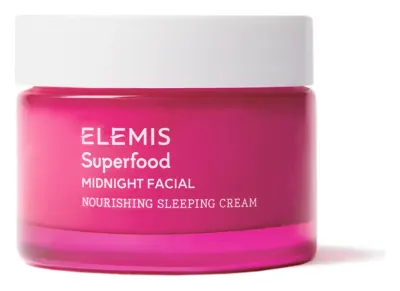
Elemis Superfood Midnight Facial
Cocoa seed butter, banana flower extract, camu camu, and prebiotic alpha-glucan oligosaccharide · combination, dry, normal, oily skin · scented
AmazonBrand lists it for dry skin
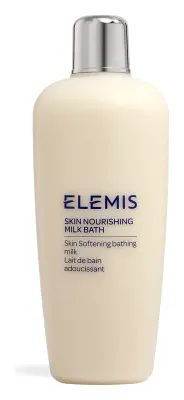
Elemis Skin Nourishing Milk Bath
Milk protein, Japanese camellia oil, macadamia oil, and oat kernel extract · dry skin · scented
Amazon
All 6 products with Alpha-Glucan Oligosaccharide
Daily Moisturizers & Water Gel Creams (2)
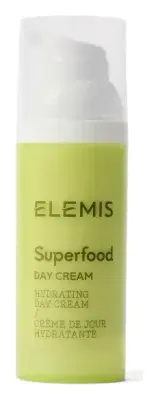

Premium Overnight Recovery Packs & Sleeping Facials (1)
Body Creams, Butters & Body Oils (1)
Gel, Foam & Cream Facial Cleansers (1)

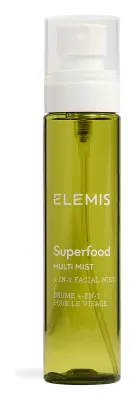
Hydrating Toners, Essence Waters & Face Mists (1)
Common questions
What is alpha-glucan oligosaccharide in skincare?
It is a carbohydrate made of short chains of sugar units. In cosmetics it is used as a skin-conditioning ingredient and humectant.
Is alpha-glucan oligosaccharide a prebiotic?
It is often marketed as a prebiotic ingredient, but that label does not prove a particular product changes the skin microbiome. Evidence for a specific cosmetic benefit depends on the ingredient and finished formula studied.
Does alpha-glucan oligosaccharide hydrate skin?
It can function as a humectant, helping attract water to the formula and skin surface. How hydrating a product feels also depends on other ingredients and the surrounding humidity.
Is it a sugar that can irritate skin?
It is a sugar-based cosmetic ingredient, not table sugar rubbed onto skin. Reactions to a finished product are still possible, so patch-test if your skin is reactive.