Ammonium Acryloyldimethyltaurate/VP Copolymer
A plain-language look at this formula thickener, how it helps skincare keep a gel-like texture, and what it means for your routine.
Extremely safeIn 25 products we cover
We may earn a commission when you buy through links on this page. It never changes what we recommend.
Quick facts
- INCI name
- Ammonium Acryloyldimethyltaurate/VP Copolymer
- Origin
- Synthetic
- Chemical class
- Synthetic polymer thickener
- What it does in a formula
- viscosity controlling, film forming, stabilizing
- Why it is in the formula
- Builds and stabilizes a smooth gel or cream texture so the product spreads as intended.
What it is
Synthesized from multiple chemical building blocks, ammonium acryloyldimethyltaurate/VP copolymer is a manufactured polymer used to control texture in cosmetic products. The technical INCI name reflects its specific monomer chemistry. It is not a plant-derived extract or an everyday small molecule.
You may see it in gels, serums, moisturizers, or makeup, where a formula needs body without feeling like a thick paste. As with other thickeners, its performance depends on the surrounding ingredients and how the product is made. The ingredient list tells you it is present, but not its amount or the finished product’s exact texture.
What it does
- Thickens the formula. It helps turn a watery blend into a gel or cream that is easier to spread and dispense.
- Helps stabilize texture. The polymer can help keep a formula from separating or becoming runny.
- Supports a smooth finish. A well-designed thickener can make a product feel more even as you apply it.
- Acts as a helper, not an active. Its job is to shape the product, not deliver a stand-alone skincare benefit.
Who it suits
This ingredient is not usually a reason to choose or avoid a product by itself. Most shoppers will get more useful information from the product type, full formula, and how it feels on their skin. If a formula pills, feels tacky, or sits poorly under makeup, that is a property of the complete blend and application, not something you can predict from this one name alone.
It is a synthetic polymer. Some synthetic polymers have raised microplastic concerns, but whether those concerns apply depends on material properties, particle size, and how it is used or released. It is not accurate to treat every ingredient with polymer in the name as identical. If you react to a product, stop using it and consider the full list.
What to pair it with, and what not to
There is nothing to pair with this thickener as a separate routine step. It works inside the formula alongside water, emollients, and other stabilizers chosen by the formulator. Apply the finished product according to its directions and judge it by how the complete product wears.
Skin Realist check: Texture is part of using a product. The ingredient doing the quiet construction work deserves its little hard hat.
How it appears on labels: Ammonium Acryloyldimethyltaurate/VP Copolymer; Ammonium Acryloyldimethyltaurate/ Vp Copolymer
Quick picks with Ammonium Acryloyldimethyltaurate/VP Copolymer
Scent-free, no patch-test flags on the label
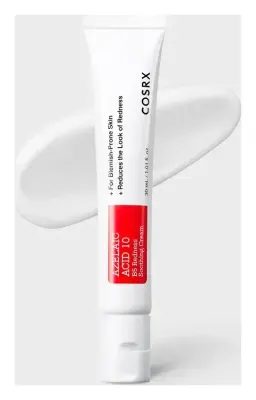
COSRX Azelaic Acid 10 B5 Redness Soothing Cream
Azelaic Acid 10% · scent-free label
AmazonBrand lists it for sensitive skin
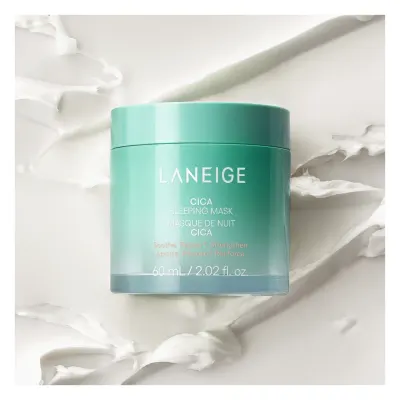
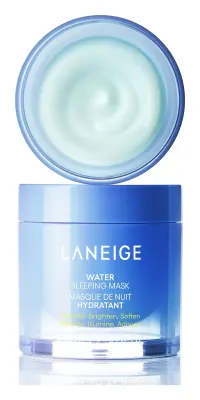
Laneige Cica Sleeping Mask with Centella Asiatica for Moisture Barrier Support
Centella asiatica, madecassoside, panthenol, squalane, niacinamide · normal, dry, combination, sensitive skin · scent-free label
AmazonBrand lists it for oily skin
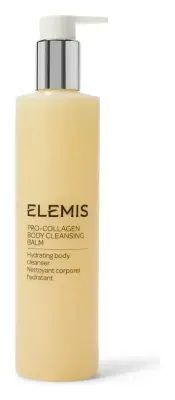
Elemis Pro-Collagen Body Cleansing Balm
Collagen amino acids, Padina pavonica, borago seed oil, camelina seed oil, echium seed oil · combination, dry, normal, oily skin · scented
Amazon
All 25 products with Ammonium Acryloyldimethyltaurate/VP Copolymer
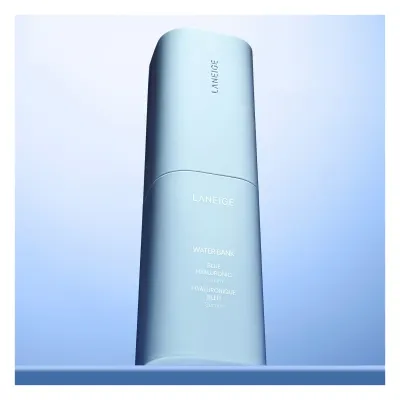
Hydrating Serums, Essences & Ampoules (5)
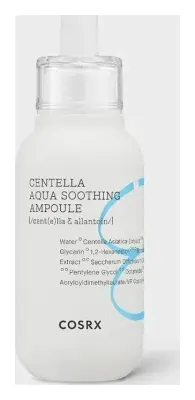
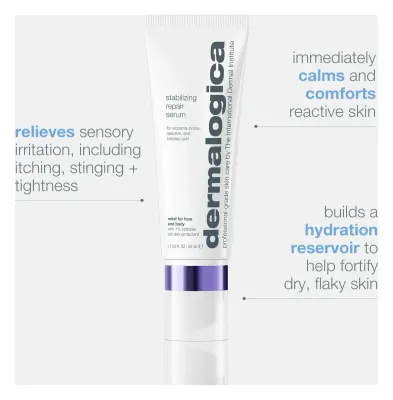

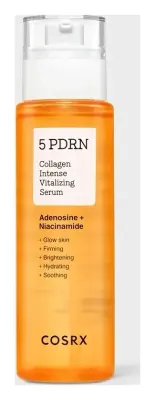
Eye Creams & Under-Eye Patches (4)
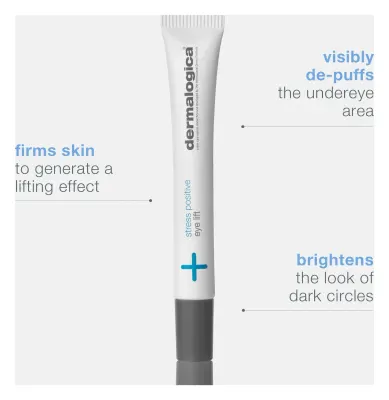
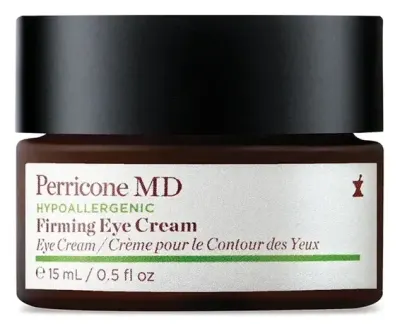
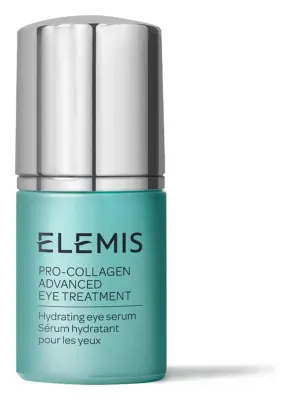

Premium Overnight Recovery Packs & Sleeping Facials (3)

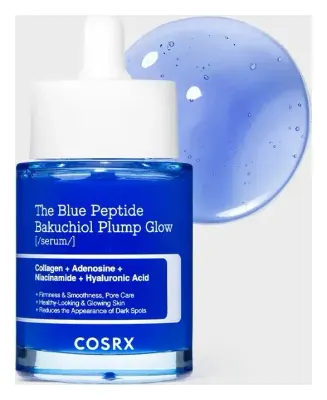
Anti-Aging & Retinoid Serums (3)


Daily Moisturizers & Water Gel Creams (3)



Skin Barrier Repair Creams & Recovery Jars (2)
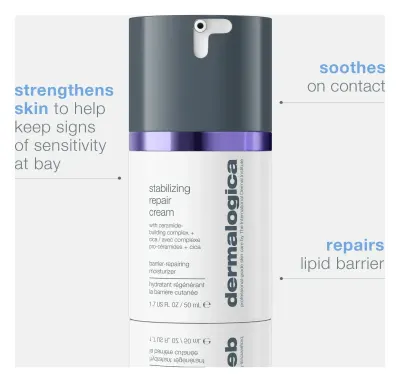
Cream & Gel Treatment Masks (2)
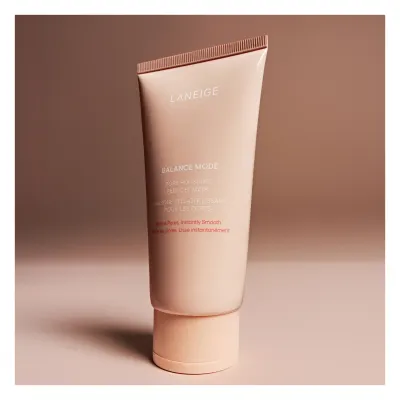
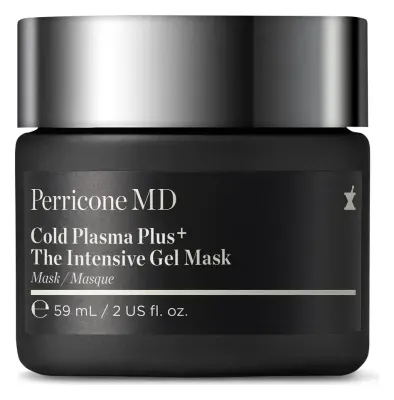
Sheet, Hydrogel & Clay Masks (1)
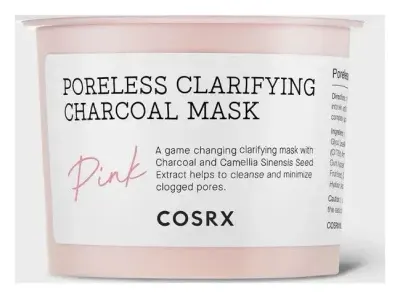
Body Creams, Butters & Body Oils (1)
Targeted Vitamin C & Brightening Correctors (1)
Common questions
What does ammonium acryloyldimethyltaurate/VP copolymer do?
It is a synthetic polymer used to thicken and stabilize cosmetic formulas. It can help create a gel or cream texture that spreads evenly.
Is this ingredient an active?
No. It is primarily a texture and stability helper rather than a skin-care active. It is a supporting ingredient, not the reason to buy a product.
Is ammonium acryloyldimethyltaurate/VP copolymer a microplastic?
It is a synthetic polymer, but polymer alone does not establish whether a material meets a particular microplastic definition. Definitions depend on factors such as particle form and size.
Can this thickener irritate skin?
It is used to shape the product rather than provide a skin treatment. Individual responses vary, and a reaction to a finished formula may come from any ingredient.