Arachidyl Glucoside
What arachidyl glucoside does as a plant-derived emulsifier, how it helps creams stay blended, and what to know about sensitivity.
Extremely safeIn 10 products we cover
We may earn a commission when you buy through links on this page. It never changes what we recommend.
Quick facts
- INCI name
- Arachidyl Glucoside
- CAS number
- 144982-05-8
- Origin
- Plant-derived or Synthetic
- Chemical class
- Alkyl glucoside emulsifier
- What it does in a formula
- emulsifying, surfactant, skin conditioning
- Why it is in the formula
- Helps oil and water stay blended in a cream while contributing a smooth skin feel.
What it is
To keep oil and water phases thoroughly blended in creams and lotions, formulators rely on arachidyl glucoside, an alkyl glucoside surfactant. Combining a fatty alcohol with a sugar-derived unit, it acts as an emulsifier that prevents formula separation while enhancing skin feel and cream texture.
The word surfactant can describe many jobs. Some surfactants are used to cleanse; others are used in small amounts to build or stabilize an emulsion. Arachidyl glucoside is commonly encountered as a supporting ingredient in creams, not as a standalone cleanser. Its origin and feel depend on the full formula and how the ingredient is made.
What it does
- Helps blend oil and water. Its emulsifying action supports a stable cream or lotion.
- Contributes to texture. It can help a formula feel smooth and cohesive.
- Supports cleansing in some formulas. Surfactants can help with cleansing, but this ingredient’s role depends on the product type.
- Plays a supporting role. It is not usually the reason to buy a moisturizer or cleanser.
Who it suits
Most people will encounter arachidyl glucoside as one component of an emulsifier blend. The formula’s texture, fragrance, and other ingredients matter more to the overall experience than this name alone. If you enjoy the product and tolerate the full formula, there is no need to single out the glucoside simply because it is a surfactant.
Alkyl glucosides have a mild reputation, but this ingredient family is a documented source of contact allergy for some people. If you have a known sensitivity or reactive skin, consider patch-testing a new formula. Stop using it if you notice a persistent reaction, and ask a dermatologist about repeated or unclear symptoms.
What to pair it with, and what not to
Arachidyl glucoside is part of the cream or cleanser, not a separate routine step. It can appear alongside emollients and humectants in a moisturizer. You do not need another ingredient to balance it; choose by the complete product’s feel and directions.
Skin Realist check: A mild reputation is not a force field. Patch-testing is still a perfectly reasonable move.
Quick picks with Arachidyl Glucoside
Scent-free, no patch-test flags on the label
COSRX The Ceramide Skin Barrier Moisturizer
scent-free label
AmazonBrand lists it for sensitive skin
Dermalogica powerbright dark spot peel
Glycolic acid, mandelic acid, niacinamide, tranexamic acid, omega-3 algae blend and turmeric butter blend · oily, dry, combination, sensitive, normal skin · scented
AmazonBrand lists it for oily skin
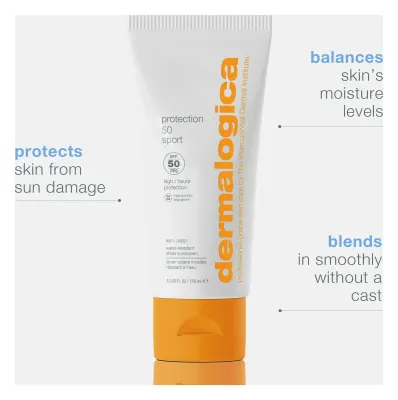
Dermalogica protection 50 sport spf50
oily, dry, combination, sensitive, normal skin · scent-free label
Amazon


All 10 products with Arachidyl Glucoside
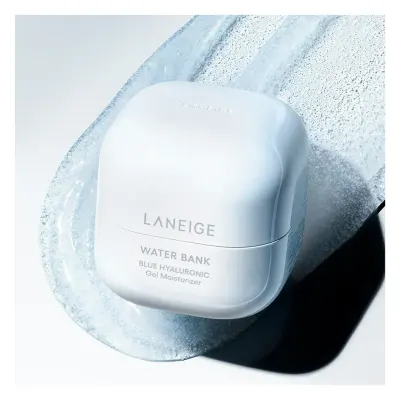
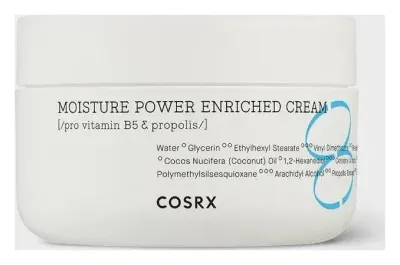
Daily Moisturizers & Water Gel Creams (3)

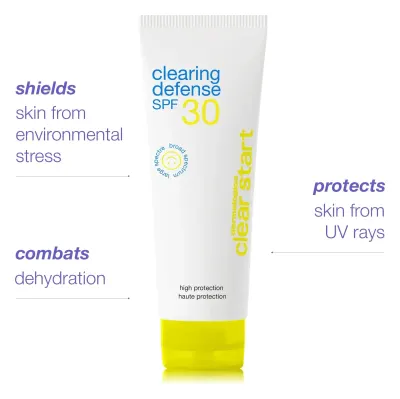
Daily Sunscreens & SPF Moisturizers (2)
Anti-Aging & Retinoid Serums (1)

Skin Barrier Repair Creams & Recovery Jars (1)
Targeted Vitamin C & Brightening Correctors (1)
Sheet, Hydrogel & Clay Masks (1)

Eye Creams & Under-Eye Patches (1)

Common questions
What is arachidyl glucoside in skincare?
Arachidyl glucoside is an alkyl glucoside used mainly to help oil and water mix in emulsions. It may also contribute to a pleasant skin feel.
Is arachidyl glucoside a cleanser?
It belongs to a broad family of surfactants, but in many leave-on products its main role is emulsifying and stabilizing a cream. The product format and full formula determine whether it cleanses.
Is arachidyl glucoside good for sensitive skin?
Alkyl glucosides are often considered mild, but they are documented contact allergens for some people. If you have sensitive skin or a known allergy, patch-test a new product and check with a dermatologist about recurring reactions.
Is arachidyl glucoside natural?
It combines a fatty alcohol component with a sugar-derived part. Starting materials and manufacturing routes can vary, so the ingredient name alone does not establish the sourcing.