BHT
What BHT does in cosmetics, why formulas use antioxidants, and what the Cosmetic Ingredient Review says about its use.
Extremely safeIn 10 products we cover
We may earn a commission when you buy through links on this page. It never changes what we recommend.
Quick facts
- INCI name
- BHT
- CAS number
- 128-37-0
- Origin
- Synthetic
- Chemical class
- Hindered phenolic antioxidant
- What it does in a formula
- antioxidant, masking
- Why it is in the formula
- Usually added in small amounts to slow oxidation of oils and help preserve a product's smell and quality.
What it is
Used primarily to protect cosmetic formulas from oxidation, BHT (short for butylated hydroxytoluene) is a synthetic antioxidant compound. In skincare products containing plant oils or lipids, it helps prevent rancidity and odor changes over time. Unlike botanical extracts, it is a defined industrial compound added for product stability.
It is a helper ingredient. You may see BHT in moisturizers, makeup, sunscreens, and other products that include oil-based components. It is not the same as a skin antioxidant active sold for its direct effect on the look of skin. The amount used in a particular formula is not shown by the ingredient list, and BHT’s presence does not mean the whole product will have a longer shelf life than stated on its package.
What it does
- Slows oxidation in the formula. Antioxidants can help limit chemical changes when oils are exposed to oxygen, light, or heat.
- Helps preserve product quality. Reducing oxidation can help maintain a product’s smell and appearance during its stated shelf life.
- Protects the formula, not your skin. BHT’s role in a cosmetic is formula stability rather than a promised skincare result.
- Works with the rest of product design. Packaging, storage, and the full ingredient blend also affect product quality. BHT does not replace following the use-by or after-opening directions.
Who it suits
BHT is widely used as a formula antioxidant. The Cosmetic Ingredient Review’s Expert Panel reviewed updated information and reaffirmed its conclusion that BHT is safe as a cosmetic ingredient in the practices of use and concentration described in its report. That assessment does not mean that every person will prefer or tolerate every product containing BHT. A product can contain many other ingredients that affect how it feels on your skin.
If you have a known sensitivity to BHT or repeatedly notice discomfort with a particular product, stop using it and review the full formula. Do not assume BHT caused a reaction based on its name alone. A dermatologist can help investigate persistent or recurring reactions. If you prefer products formulated without BHT, you can choose another formula, but its absence alone does not tell you whether that product is better preserved or a better personal match.
What to pair it with, and what not to
BHT does not need another ingredient alongside it as a skincare step. It is already blended into the formula to help protect susceptible oils. Use the product as directed, store it away from excess heat and light when the package advises, and replace it according to its stated period after opening. You do not need a separate BHT serum or a balancing ingredient.
Skin Realist check: The quietest character on the label should not have to carry your routine. Let the moisturizer be the one you remember.
Quick picks with BHT
Scent-free, no patch-test flags on the label
COSRX The Retinol 0.1 Cream
Retinol 0.1% · scent-free label
AmazonBrand lists it for sensitive skin
Dermalogica dynamic skin retinol serum
Retinoid Complex 3.5% · oily, dry, combination, sensitive, normal skin · scented
AmazonBrand lists it for oily skin
Dermalogica age reversal eye complex
Microencapsulated retinol, niacinamide, ash tree bark extract, vitamin C and peptides · oily, dry, combination, sensitive, normal skin · scent-free label
Amazon



All 10 products with BHT
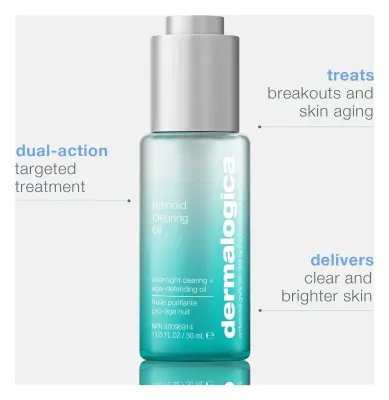
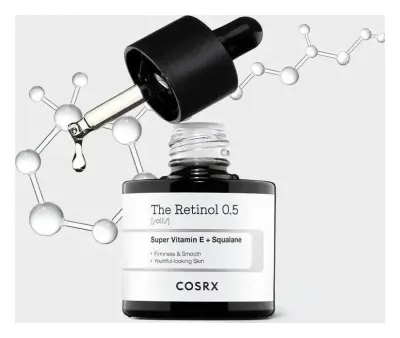
Anti-Aging & Retinoid Serums (4)
Eye Creams & Under-Eye Patches (1)
Cream & Gel Treatment Masks (1)

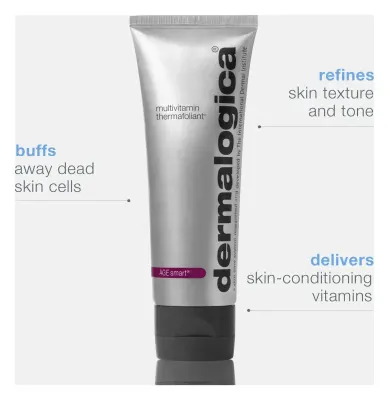
Physical & Enzyme Face Exfoliants (1)
Daily Moisturizers & Water Gel Creams (1)

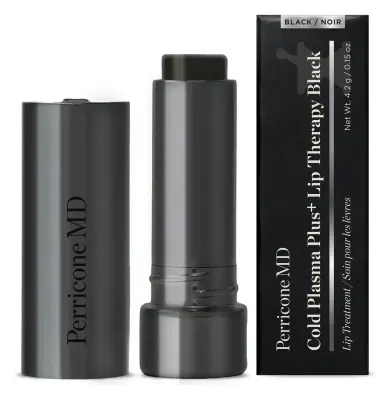
Intensive Lip Recovery Masks & Tinted Balms (1)
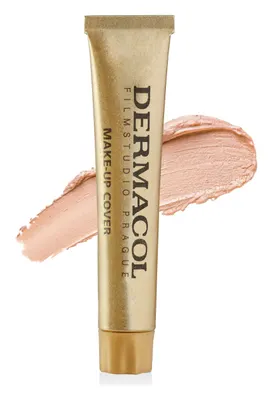
Full-Coverage Camouflage & Liquid Foundations (1)
Common questions
What does BHT do in skincare?
BHT is an antioxidant that helps slow oxidation in a formula, especially in oils. It protects product quality rather than acting as an antioxidant treatment for your skin.
Is BHT safe in cosmetics?
The Cosmetic Ingredient Review concluded that BHT is safe as used in cosmetics in its assessment. That is a conclusion about the uses reviewed, not a guarantee about an individual's response to any finished product.
Why is BHT in my moisturizer?
It may help keep oils in the formula from oxidizing, which can affect smell and product quality. It is included to protect the formula, not to moisturize skin.
Is BHT the same as BHA?
No. BHT is butylated hydroxytoluene, while BHA usually refers to butylated hydroxyanisole in ingredient and food contexts. Similar abbreviations do not mean they are the same compound.