Biotin
What biotin does on a cosmetic ingredient list, how limited topical evidence compares with supplement claims, and who it may suit.
Extremely safeIn 5 products we cover
We may earn a commission when you buy through links on this page. It never changes what we recommend.
Quick facts
- INCI name
- Biotin
- CAS number
- 58-85-5
- Origin
- Biotech (fermentation) or Synthetic
- Chemical class
- B vitamin (water-soluble coenzyme)
- What it does in a formula
- skin conditioning
- Why it is in the formula
- It is included as a skin-conditioning ingredient, often in products marketed around hair or skin appearance.
What it is
Biotin, also designated as vitamin B7, is a water-soluble B-complex vitamin that acts as a vital coenzyme in human biology. On cosmetic ingredient lists, it appears as a skin-conditioning agent in products marketed around hair, scalp, and skin appearance. The label does not indicate its exact concentration or demonstrate how deeply it interacts with surface tissue.
Evidence for topical biotin as a cosmetic skin active is limited. Findings about biotin’s role in nutrition or oral supplements do not establish that a topical product will provide the same result. Most available discussion of biotin’s biological roles is not evidence that a cosmetic formula delivers a visible benefit. That distinction matters when reading enthusiastic marketing language.
What it does
- Conditions skin. Biotin may be included as a conditioning component in a cosmetic formula.
- Adds a vitamin ingredient. It contributes to a product’s ingredient profile, but the name alone does not prove a visible change.
- Supports a product concept. It is sometimes used in hair- or skin-focused formulas, where the rest of the formulation determines the actual experience.
Who it suits
Biotin is a supporting ingredient, not a well-established topical solution for a skin condition. Most people can judge a product containing it by the whole formula and their own response. If you have sensitive skin, pay attention to the complete ingredient list and try one new product at a time.
Keep topical and supplement claims separate. Taking a dietary supplement is not the same as applying a cosmetic, and this guide makes no supplement recommendation. If you are considering supplements or have a health concern, consult a qualified clinician. For ongoing acne, irritation or another condition, a dermatologist can discuss options that are appropriate for you.
What to pair it with, and what not to
There is no special ingredient combination that makes topical biotin a proven active. Use a moisturizer and sunscreen according to your routine, and do not stack multiple products just because each one includes a vitamin. The formulation as a whole matters more than a single label name.
Skin Realist check: A quiet ingredient can stay quiet. Skincare does not need every label name to become a plot twist.
Quick picks with Biotin
Scent-free, no patch-test flags on the label
Perricone MD No Makeup Instant Blur Priming Eye Cream
Peptides, caffeine, silica, and a natural blurring complex · scent-free label
Amazon

All 5 products with Biotin
Gel, Foam & Cream Facial Cleansers (1)

Eye Creams & Under-Eye Patches (1)
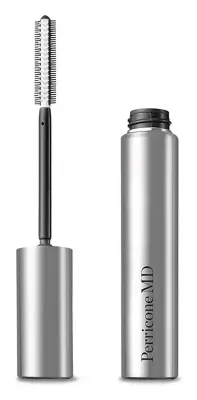
Eye Shadows, Liners, Mascara & Brow Makeup (1)
Daily Moisturizers & Water Gel Creams (1)

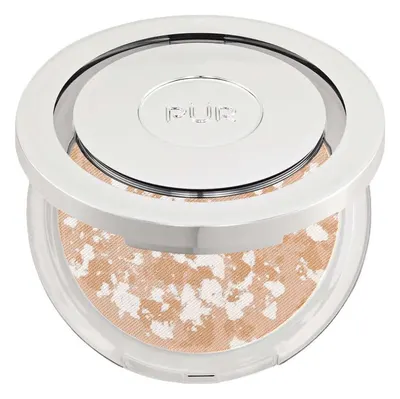
Mineral Pressed Powders & Skin-Nourishing Primers (1)
Common questions
What does biotin do in skincare?
Biotin is a B vitamin that may appear as a skin-conditioning ingredient. Evidence for visible benefits from topical biotin in cosmetic products is limited, so treat it as a supporting ingredient rather than a proven active.
Is topical biotin the same as taking a biotin supplement?
No. A topical cosmetic and an oral supplement involve different routes and evidence. Supplement claims do not show that a face cream containing biotin will produce the same effects.
Does biotin help acne?
There is not strong evidence that topical biotin in cosmetics treats acne. If acne is persistent, a dermatologist can recommend options supported for that condition.
Is biotin good for sensitive skin?
Its presence alone does not establish how a full formula will feel on sensitive skin. Check the whole ingredient list and introduce a new product cautiously if you have a history of reactions.