C13-15 Alkane
What C13-15 alkane does as a lightweight emollient, why it feels different from heavier oils, and what its label says about sourcing.
Extremely safeIn 6 products we cover
We may earn a commission when you buy through links on this page. It never changes what we recommend.
Quick facts
- INCI name
- C13-15 Alkane
- Origin
- Plant-derived or Synthetic
- Chemical class
- Branched and linear hydrocarbon emollient
- What it does in a formula
- emollient, solvent, skin conditioning
- Why it is in the formula
- C13-15 alkane adds lightweight slip and an emollient feel without the heavier finish of many oils.
What it is
Unlike traditional mineral oil or heavy plant lipids, C13-15 alkane is a lightweight hydrocarbon blend with carbon chain lengths ranging from 13 to 15 atoms. Used as a fast-spreading emollient in skincare and makeup, it gives formulas an airy, smooth finish. Manufacturers produce it from plant feedstocks or industrial sources, though the INCI designation does not specify the origin.
Compared with many fixed oils, C13-15 alkane can feel light and silky, with less of an oily residue. This is why it appears in products intended to spread easily or dry down comfortably. It is a supporting ingredient, not an active chosen to change a skin concern. The name describes a chemical family rather than a specific percentage of one molecule.
What it does
- Softens skin. It forms part of the emollient phase and can leave skin feeling smooth.
- Improves slip. It helps a product glide across the skin during application.
- Helps dissolve ingredients. It can act as a solvent for oil-soluble components in a formula.
- Lightens the feel of a blend. It may balance richer oils or butters, though the whole formula determines the final finish.
Who it suits
C13-15 alkane can be included in products for many skin types. People who dislike a heavy or greasy finish may enjoy its lighter feel, while others may prefer richer oils. If you are prone to clogged pores, do not rely on a comedogenic score for one ingredient; those scores are unreliable and do not predict every finished formula. Try the product on a small area first if you are unsure. If a formula repeatedly irritates you, stop using it and consider the full ingredient list.
What to pair it with, and what not to
There is no specific ingredient it needs to be paired with. C13-15 alkane is blended with other emollients, humectants or actives during formulation. Apply the finished product as directed and choose a moisturizer based on the feel you prefer.
Skin Realist check: A silky finish can be pleasant. It does not mean you need another layer if the moisturizer you own already works.
Quick picks with C13-15 Alkane
Scent-free, no patch-test flags on the label
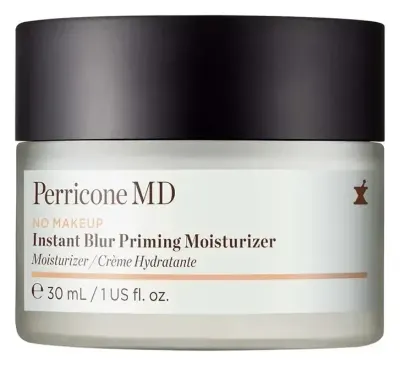
Perricone MD No Makeup Instant Blur Priming Moisturizer
Glycerin, silica, thioctic acid and peptides · scent-free label
AmazonBrand lists it for sensitive skin
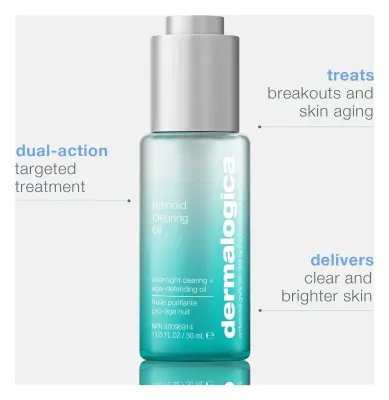
Dermalogica retinoid acne clearing oil
Salicylic acid 2.0%, retinyl propionate, jojoba seed oil, rosehip seed oil, argan oil · normal, dry, combination, oily, sensitive skin · scented
Amazon
All 6 products with C13-15 Alkane
Mineral Pressed Powders & Skin-Nourishing Primers (1)
Anti-Aging & Retinoid Serums (1)
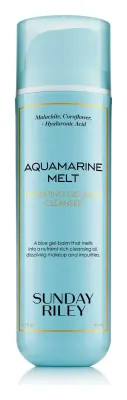
Premium Double-Cleansing Balms & Melting Gels (1)
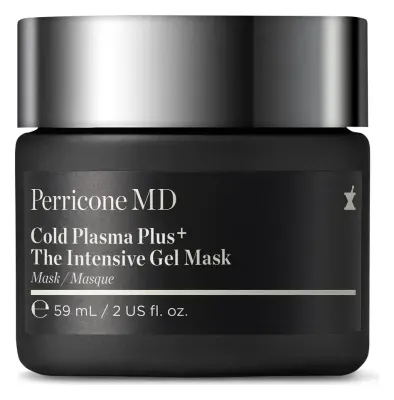
Cream & Gel Treatment Masks (1)
High-Definition Camouflage Concealers (1)

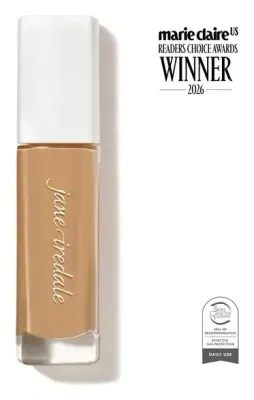
Full-Coverage Camouflage & Liquid Foundations (1)
Common questions
What does C13-15 alkane do in skincare?
It acts as a lightweight emollient and can help a formula spread smoothly. The exact feel depends on the full blend.
Is C13-15 alkane a mineral oil?
No. It is a family of hydrocarbon emollients with carbon chains in the C13 to C15 range. It is not the same material as mineral oil.
Is C13-15 alkane plant-derived?
It can be made from plant-derived feedstocks or produced through other manufacturing routes. The ingredient label alone does not reveal the source.
Is C13-15 alkane comedogenic?
There is no dependable ingredient-by-ingredient number that predicts clogged pores. The complete formula and your own response matter more than an old comedogenicity chart.