C9-12 Alkane
What C9-12 alkane does in skincare and makeup, why it can feel lightweight, and what you can and cannot learn from its label name.
Extremely safeIn 9 products we cover
We may earn a commission when you buy through links on this page. It never changes what we recommend.
Quick facts
- INCI name
- C9-12 Alkane
- Origin
- Synthetic or Plant-derived
- Chemical class
- Hydrocarbon emollient blend
- What it does in a formula
- emollient, solvent, skin conditioning
- Why it is in the formula
- Adds slip and a lightweight emollient feel to creams, sunscreens, and makeup.
What it is
C9-12 alkane is a mixture of saturated hydrocarbon molecules falling within a defined nine-to-twelve carbon chain range, functioning as an emollient and spreading agent. Because it represents a blend rather than an isolated chemical compound, a single CAS number or precise source cannot be deduced from the name alone. Suppliers manufacture these alkanes from varying industrial or plant-derived feedstocks.
You may find C9-12 alkane in moisturizers, sunscreens, foundations, and other products that benefit from a smooth-spreading emollient. Its light, dry-touch feel can offer an alternative to heavier oils, though the full formula determines the finished texture. It can also help dissolve or distribute oil-soluble ingredients.
What it does
- Adds slip. It helps products spread across skin with less drag.
- Softens the finish. It can leave a light emollient feel without the richness of some oils.
- Helps with solubility. In a formula, it may carry or dissolve oil-loving ingredients.
Who it suits
If you like products that spread easily and do not leave a heavy oil feel, you may enjoy a formula containing C9-12 alkane. It is not automatically a match for every oily or acne-prone person, and there is no useful comedogenic rating that applies to all products. The rest of the formula, how much you use, and your own skin response matter more than the name alone.
The ingredient is not a skin active and does not need to be sought out for a treatment effect. If source matters to you, contact the manufacturer because the label cannot reveal the feedstock. Patch-test a new product if your skin is reactive, and stop using it if it causes persistent irritation. Evaluate the product’s overall texture rather than assuming one emollient determines the result.
What to pair it with, and what not to
C9-12 alkane can sit in a moisturizer with humectants such as glycerin or in a product with squalane for a soft emollient finish. It does not require a particular companion active. If a lightweight moisturizer already suits you, adding a separate oil is optional.
Skin Realist check: A light finish can be a preference. You do not have to make it a personality.
Quick picks with C9-12 Alkane
Scent-free, no patch-test flags on the label
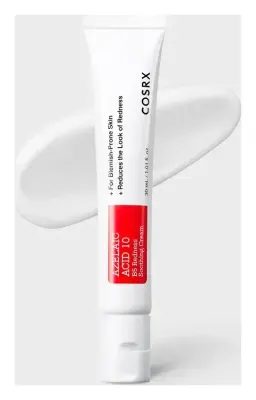
COSRX Azelaic Acid 10 B5 Redness Soothing Cream
Azelaic Acid 10% · scent-free label
AmazonBrand lists it for sensitive skin
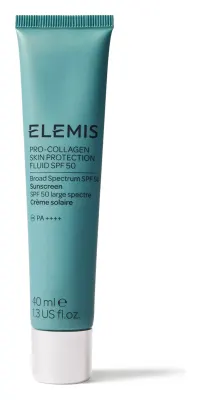
Elemis Pro-Collagen Skin Protection Fluid SPF 50
Padina pavonica, collagen amino acids, leuconostoc/radish root ferment filtrate · combination, dry, normal, oily, sensitive skin · scent-free label
Amazon
All 9 products with C9-12 Alkane
High-Definition Camouflage Concealers (2)
Skin Barrier Repair Creams & Recovery Jars (1)
Daily Sunscreens & SPF Moisturizers (1)
Daily Moisturizers & Water Gel Creams (1)

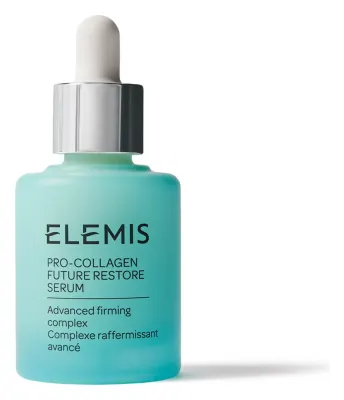
Hydrating Serums, Essences & Ampoules (1)
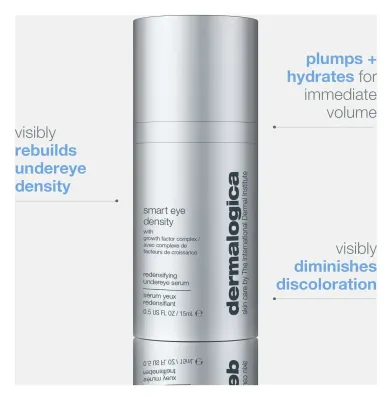
Eye Creams & Under-Eye Patches (1)
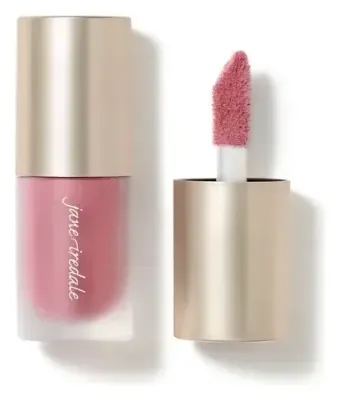
Blush, Bronzers & Highlighters (1)
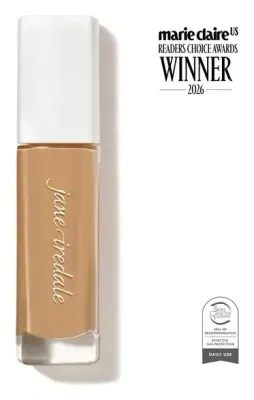
Full-Coverage Camouflage & Liquid Foundations (1)
Common questions
What is C9-12 alkane in skincare?
It is a blend of hydrocarbon materials in a defined carbon-chain range. Cosmetic versions may be used as lightweight emollients or solvents.
What does C9-12 alkane do for skin?
It can help a product spread smoothly and leave a light, silky feel. Its effect depends on the complete formula and how much is used.
Is C9-12 alkane a natural ingredient?
The name does not identify a single source. Cosmetic alkanes may be made from different feedstocks and processed materials, so ask the manufacturer if origin matters to you.
Is C9-12 alkane comedogenic?
There is no reliable ingredient-level score that predicts how every product will affect pores. The whole formula and your individual response matter.