Caprylic Acid
What caprylic acid does in cosmetics, how it differs from caprylic triglyceride oils, and why its role depends on the formula.
Extremely safeIn 5 products we cover
We may earn a commission when you buy through links on this page. It never changes what we recommend.
Quick facts
- INCI name
- Caprylic Acid
- CAS number
- 124-07-2
- Origin
- Plant-derived or Animal-derived
- Chemical class
- Medium-chain saturated fatty acid
- What it does in a formula
- skin conditioning, emollient
- Why it is in the formula
- It can contribute to emollience or serve as a building block for other cosmetic ingredients.
What it is
Unlike caprylic/capric triglyceride, which is an emollient ester oil, caprylic acid (also called octanoic acid) is an isolated saturated fatty acid containing eight carbon atoms. It occurs naturally in certain plant and animal fats and can be manufactured from different commercial feedstocks. Rather than functioning purely as an oily emollient, it serves as the free fatty acid itself. In cosmetics, formulators use it for skin conditioning or as a chemical building block for other materials. Its specific role depends on the overall formula design and whether it remains free or bound within a derivative.
What it does
- Conditions skin. In a formula, caprylic acid may contribute a softening or emollient effect.
- Serves as a building block. Fatty acids can be used in the production of other cosmetic ingredients.
- Has a formula-dependent role. It is not always included for the same reason, and a label does not disclose the amount used.
Who it suits
Caprylic acid is not the same as an exfoliating alpha hydroxy acid, and its name should not lead you to expect the same use as glycolic acid. It is more closely associated with fatty materials and ingredient processing. The finished product may use it in a way that feels different from an oil or an acid serum, so judge the product as a whole.
Its source can vary, including plant and animal fats, and a cosmetic label does not identify the feedstock. If that matters to you, check with the manufacturer. People with sensitive skin should introduce new products carefully and stop use if discomfort persists. A reaction to a formula cannot be attributed to one ingredient based on the label alone; consider all ingredients and seek professional guidance for ongoing concerns.
What to pair it with, and what not to
There is no special active pairing for caprylic acid. It may appear with emollients such as squalane or in a formula alongside humectants like glycerin. Do not substitute it for a caprylic triglyceride oil, because those are different ingredients.
Skin Realist check: Names that share a fatty-acid root can still describe different ingredients. The label details matter more than a familiar syllable.
Quick picks with Caprylic Acid
Scent-free, no patch-test flags on the label
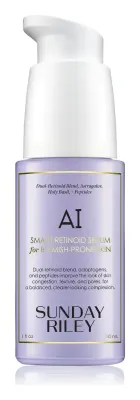
Sunday Riley A.I. Smart Retinoid Serum
Hydroxypinacolone Retinoate · scent-free label
Amazon
All 5 products with Caprylic Acid
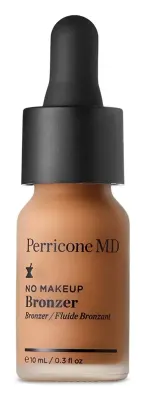
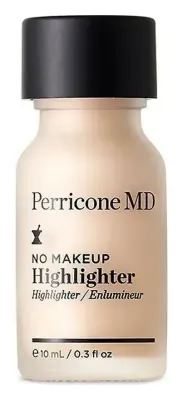
Blush, Bronzers & Highlighters (2)
Anti-Aging & Retinoid Serums (1)
Daily Moisturizers & Water Gel Creams (1)

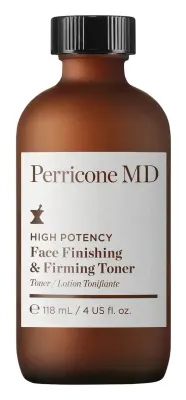
Hydrating Toners, Essence Waters & Face Mists (1)
Common questions
What is caprylic acid in skincare?
Caprylic acid is a medium-chain saturated fatty acid, also known as octanoic acid. It can be used as a cosmetic ingredient or as a starting material for derivatives.
Is caprylic acid the same as caprylic triglyceride?
No. Caprylic acid is a free fatty acid, while caprylic/capric triglyceride is an oil-like ester made from fatty acids and glycerin. They have different properties and uses.
What does caprylic acid do in a formula?
It can contribute skin conditioning or emollience and may be used in making other ingredients. Its role depends on the finished formula and how the material is incorporated.
Is caprylic acid an exfoliating acid?
It is not commonly used as a routine exfoliating acid like glycolic or salicylic acid. Its cosmetic uses are more often related to the fatty-acid structure and formula design.