Carnosine
What carnosine is, why it appears in some skincare formulas, and what the limited evidence for topical use can tell you.
Extremely safeIn 6 products we cover
We may earn a commission when you buy through links on this page. It never changes what we recommend.
Quick facts
- INCI name
- Carnosine
- CAS number
- 305-84-0
- Origin
- Biotech (fermentation) or Synthetic
- Chemical class
- Dipeptide
- What it does in a formula
- skin conditioning, antioxidant
- Why it is in the formula
- It is included as a skin-conditioning peptide and for its potential antioxidant role.
What it is
While frequently grouped alongside high-tech peptide actives, carnosine is a simple naturally occurring dipeptide formed from the amino acids beta-alanine and histidine. It exists naturally within body tissues and is included in leave-on creams and serums as an antioxidant and skin-conditioning agent. It functions as a supportive ingredient rather than an all-in-one treatment solution.
Carnosine is studied for antioxidant-related properties, but evidence for topical benefits in people is limited. Laboratory findings can suggest possible mechanisms, yet they do not establish what a finished cosmetic will do on skin. Results from oral supplements are also not evidence that applying a cream produces the same effect. Concentration and the complete formula matter, and the label does not disclose those details.
What it does
- Conditions skin. It is added as a supporting ingredient in some creams and serums.
- Has antioxidant research interest. Carnosine is studied in lab settings for interactions with oxidative processes, but topical cosmetic benefits are not settled.
- Contributes to formula positioning. It can be included in products built around peptides or skin-conditioning ingredients.
Who it suits
Carnosine is not a must-have ingredient for any particular skin type. A product that contains it may appeal if you are interested in peptide formulas, but do not expect the ingredient name alone to guarantee visible improvement. Choose the product for its overall formula, texture, and use instructions. If your routine already works, there is no need to add a carnosine product just because it is trending.
People can react to any cosmetic ingredient, including ingredients with a gentle reputation. If you have easily irritated skin, test a new product cautiously and avoid adding several new items at once. Stop if it causes persistent discomfort. For continuing skin concerns, ask a dermatologist rather than relying on a cosmetic peptide.
What to pair it with, and what not to
Carnosine does not require a companion active. It can sit in a routine with common moisturizers and other products, as long as you follow each one’s directions. Do not treat topical carnosine as a substitute for medical care or as an oral supplement. Keep the routine simple enough to tell which products feel comfortable for you.
Skin Realist check: A peptide name can sound like a promise. Let the rest of the formula and your actual experience do the talking.
Quick picks with Carnosine
Scent-free, no patch-test flags on the label
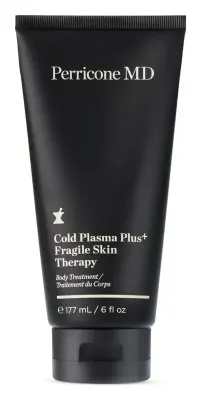
Perricone MD Cold Plasma Plus+ Fragile Skin Therapy
Growth Factor Peptide and Micro-Hyaluronic Acid; the ingredient list also includes retinol · scent-free label
AmazonBrand lists it for dry skin
Dermalogica phyto nature lifting eye cream
Peptides, Astragalus, Electric Daisy Flower, CoQ10 · dry skin · scented
AmazonFeatured in our guides
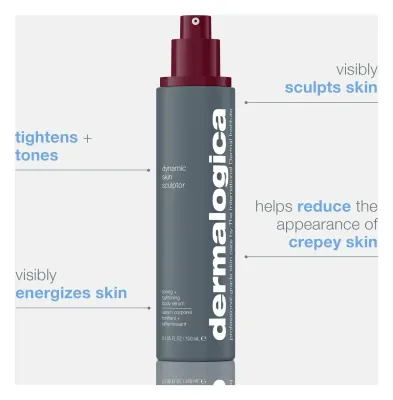
Dermalogica dynamic skin sculptor body serum
Pro-NAD+ Complex, microalgae, rice protein, honey locust extract, carnosine, jojoba esters · scented
Amazon

All 6 products with Carnosine
Body Creams, Butters & Body Oils (2)
Daily Moisturizers & Water Gel Creams (2)


Eye Creams & Under-Eye Patches (1)
Anti-Aging & Retinoid Serums (1)
Common questions
What is carnosine in skincare?
Carnosine is a small dipeptide made from two amino acids. In cosmetics it is used as a skin-conditioning ingredient and may be included for antioxidant-related formulation goals.
Does topical carnosine work?
Evidence for topical carnosine in finished skincare products is limited. Findings from laboratory experiments or oral supplementation do not prove a visible effect from applying a cosmetic.
Is carnosine a peptide?
Yes. It is a dipeptide, meaning it consists of two amino acid units joined together. It is distinct from the longer signaling peptides used in some skincare formulas.
Can carnosine be used with other skincare ingredients?
There is no common routine ingredient that must be avoided specifically because a product contains carnosine. Follow each product's directions and introduce new products one at a time if your skin is reactive.