Cocamidopropyl Hydroxysultaine
What cocamidopropyl hydroxysultaine does in cleansers, how surfactant blends affect mildness, and what to know if your skin is sensitive.
Extremely safeIn 7 products we cover
We may earn a commission when you buy through links on this page. It never changes what we recommend.
Quick facts
- INCI name
- Cocamidopropyl Hydroxysultaine
- Origin
- Plant-derived or Synthetic
- Chemical class
- Amphoteric sultaine surfactant
- What it does in a formula
- cleansing, foaming, surfactant
- Why it is in the formula
- It helps a cleanser lift oils and dirt while contributing foam and supporting the surfactant blend.
What it is
Used in rinse-off facial cleansers and body washes to lift oil, makeup, and debris, cocamidopropyl hydroxysultaine is an amphoteric surfactant and foam booster. It is typically combined with primary cleansers to enhance lather and formula mildness. While its fatty chain typically originates from coconut-derived feedstocks, the finished surfactant is chemically synthesized.
A cleanser’s mildness is not determined by whether one ingredient has a gentle-sounding reputation. The type and amount of each surfactant, product pH, contact time, and rinse all affect how your skin feels. This surfactant is a helper in the formula, not a leave-on active or a reason on its own to buy a cleanser.
What it does
- Helps lift soil. It contributes to the surfactant system that loosens oil and dirt for rinsing.
- Supports foam. It can add lather and help the cleanser spread over skin.
- Balances a cleansing blend. Amphoteric surfactants are often combined with other types to adjust product performance and feel.
Who it suits
Cocamidopropyl hydroxysultaine is used in products meant for different skin types. If you want a cleanser, judge the finished product by how it feels during use and after rinsing. A tight or squeaky feeling can be a sign that the product or cleansing routine is not a comfortable fit, regardless of the surfactant name. Dry or reactive skin may prefer a lower-foam cleanser or a shorter contact time.
If you have known allergies or a history of reactions to surfactants, check the full ingredient list and follow clinical advice. Cocamidopropyl hydroxysultaine is not the same ingredient as cocamidopropyl betaine, and a reaction to one does not prove you will react to the other. Still, if you have recurrent irritation, a dermatologist can help identify likely triggers. Patch-test new leave-on products; for a cleanser, use it as directed and stop if discomfort persists.
What to pair it with, and what not to
It needs no special ingredient pairing because it is part of a rinse-off cleanser. Follow the product directions and use a moisturizer afterward if your skin feels dry. Avoid trying several new cleansers at once when you are figuring out which texture and formula you prefer.
Skin Realist check: Foam is one part of a cleanser's personality, not a scorecard for its manners. Your after-rinse feeling gets the final word.
Quick picks with Cocamidopropyl Hydroxysultaine
Brand lists it for sensitive skin
Dermalogica oil to foam total cleanser
Sea buckthorn oil and plant-derived prebiotic · oily, dry, combination, sensitive, normal skin · scented
AmazonBrand lists it for oily skin
Dermalogica daily glycolic cleanser
Glycolic acid, jojoba seed oil and calendula extract · normal, combination, oily skin · scented
AmazonBrand lists it for dry skin
Dermalogica skin resurfacing lactic acid cleanser
Lactic acid, rose flower oil, and antioxidant conditioning · dry, oily, combination, sensitive, normal skin · scented
Amazon
All 7 products with Cocamidopropyl Hydroxysultaine
Gel, Foam & Cream Facial Cleansers (6)
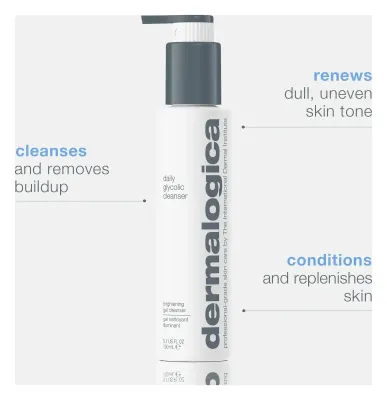 Dermalogica daily glycolic cleanserAmazon
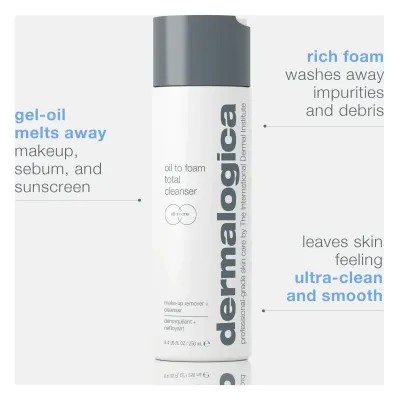 Dermalogica oil to foam total cleanserAmazon
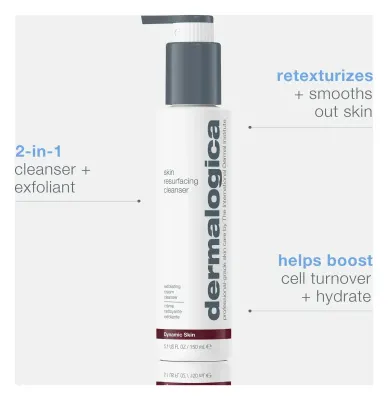 Dermalogica skin resurfacing lactic acid cleanserAmazon
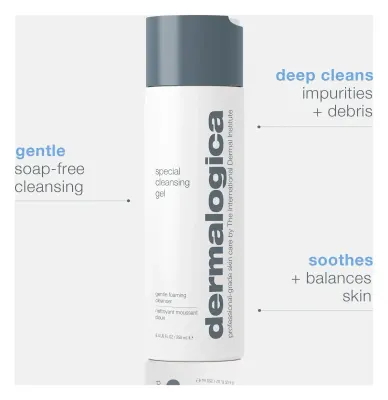 Dermalogica special cleansing gelAmazon
 Perricone MD Neuropeptide Pore-Refining & Resurfacing Cream CleanserAmazon
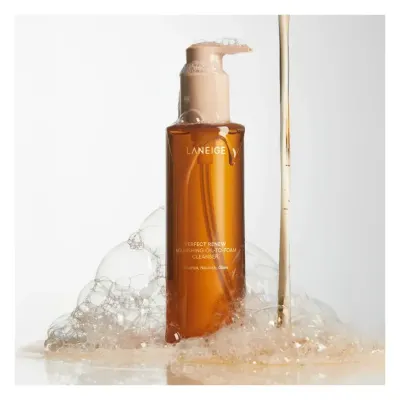 Laneige Perfect Renew Nourishing Oil-to-Foam CleanserAmazon
Premium Double-Cleansing Balms & Melting Gels (1)
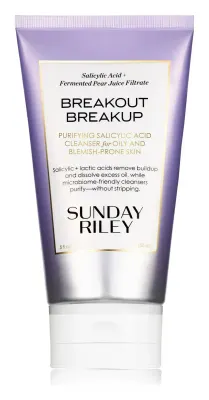
Common questions
What does cocamidopropyl hydroxysultaine do in skincare?
It is a surfactant used in rinse-off products to help lift oil and dirt and contribute to foam. It is usually one part of a blend of cleansing ingredients.
Is cocamidopropyl hydroxysultaine gentle?
It is used in many cleansing blends, but no surfactant is guaranteed to feel mild in every formula. The full blend, pH, contact time, and your skin all matter.
Is cocamidopropyl hydroxysultaine the same as cocamidopropyl betaine?
No. They are related amphoteric surfactants but have different chemical structures and INCI names. A reaction to one does not by itself establish a reaction to the other.
Who should patch-test a cleanser with this ingredient?
If you have a history of sensitivity to surfactants or a known allergy to a formula ingredient, check the full label and consider patch-testing as directed by your clinician. Stop using a product that causes persistent discomfort.