Corallina Officinalis Extract
What this red-algae extract is doing in cosmetics, what the ingredient name can tell you, and what it cannot promise.
Extremely safeIn 5 products we cover
We may earn a commission when you buy through links on this page. It never changes what we recommend.
Quick facts
- INCI name
- Corallina Officinalis Extract
- Origin
- Plant-derived
- Chemical class
- Red algae extract
- What it does in a formula
- skin conditioning
- Why it is in the formula
- It adds a marine botanical extract used for skin conditioning.
What it is
Sourced from Corallina officinalis, a red alga found in marine environments, Corallina Officinalis Extract is an algae-derived cosmetic ingredient. Algae are not land plants, even though cosmetic indexes often group algae materials under botanical ingredients. The INCI name describes an extract whose composition depends on the source material and processing method.
In cosmetics it may be included as a marine-derived conditioning ingredient in creams, serums or other products. An algae name can sound like a promise of hydration or antioxidant action, but the presence of an extract alone does not establish a visible benefit. The finished formula, the level used and product testing matter.
What it does
- Conditions skin. It can be included to contribute to a conditioned skin feel.
- Adds a marine extract. It brings an algae-derived ingredient into a product’s blend.
- Complements the formula. Its role depends on the humectants, emollients and other ingredients around it.
Who it suits
This is a supporting botanical ingredient, not a reason on its own to buy a product. It can appear in formulas for many skin types, and the algae label does not tell you whether the product is lightweight or rich. If you want a hydrating formula, look at the whole product and its humectants and emollients, not just a marine extract.
As with any complex botanical ingredient, individual reactions are possible. People with sensitive skin can introduce a new product gradually and check its complete ingredient list. If you have a known allergy to algae or develop a recurring rash, stop using the product and ask a dermatologist or clinician for advice.
What to pair it with, and what not to
There is no special active that needs to go with Corallina extract. It may be included alongside humectants such as glycerin or emollients in a moisturizer. Use a product according to its directions and choose it for the formula as a whole.
Skin Realist check: A seaweed name can decorate a label. Your routine still gets to be practical.
Quick picks with Corallina Officinalis Extract
Scent-free, no patch-test flags on the label
Dermalogica age reversal eye complex
Microencapsulated retinol, niacinamide, ash tree bark extract, vitamin C and peptides · oily, dry, combination, sensitive, normal skin · scent-free label
AmazonBrand lists it for sensitive skin
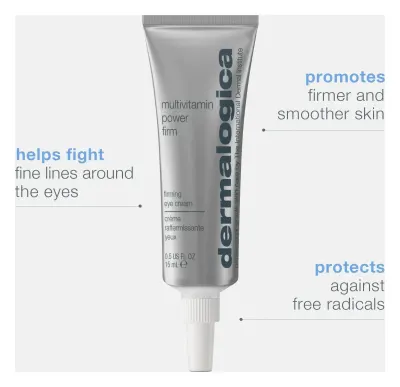
Dermalogica multivitamin power firm eye cream
Vitamins C and E and botanical extracts · oily, dry, combination, sensitive, normal skin · scented
AmazonFeatured in our guides
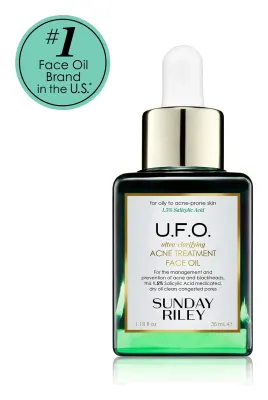
Sunday Riley U.F.O. Acne Treatment Face Oil
Salicylic Acid 1.5% · scented
Amazon

All 5 products with Corallina Officinalis Extract
Eye Creams & Under-Eye Patches (2)
Face Oils & Treatment Oils (1)
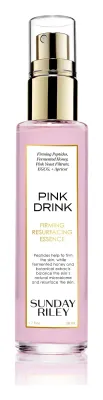
Hydrating Toners, Essence Waters & Face Mists (1)
Premium Double-Cleansing Balms & Melting Gels (1)
Common questions
What is Corallina Officinalis Extract?
It is an extract of Corallina officinalis, a red alga. Cosmetic products use it as a marine-derived skin-conditioning ingredient.
Does Corallina extract hydrate skin?
It may be included in formulas marketed for conditioning or hydration, but the ingredient name alone does not prove a particular result. Humectants and the full formula are more useful clues to how a product hydrates.
Is Corallina Officinalis a plant?
It is a red alga, not a land plant in the everyday botanical sense. Cosmetic databases often group algae with botanical ingredients, but the organism is an alga.
Can algae extract irritate skin?
A botanical or marine extract can bother some people, and the rest of the formula matters too. Stop using a product if it causes persistent irritation and seek advice for recurring reactions.