Carrot Seed Oil
What carrot seed oil means on a cosmetic label, how it differs from root extract and essential oil, and what to know about storing plant oils.
Extremely safeIn 9 products we cover
We may earn a commission when you buy through links on this page. It never changes what we recommend.
Quick facts
- INCI name
- Daucus Carota Sativa Seed Oil
- Origin
- Plant-derived
- Chemical class
- Fixed plant seed oil
- What it does in a formula
- emollient, skin conditioning
- Why it is in the formula
- Carrot seed oil can soften skin and contribute an oil phase to a moisturizer or facial oil.
What it is
Distinct from carrot root extracts and distilled volatile oils, Daucus Carota Sativa Seed Oil is a fixed plant oil pressed from the seeds of Daucus carota and used as an emollient. The common phrase carrot seed oil is also applied to distilled essential oil, which has a very different composition from this fixed oil. A PubMed-indexed study of essential oil production from carrot seeds shows why the preparation method matters; it is not a study of this fixed cosmetic oil’s fatty-acid profile.
As a fixed oil, it consists of triglycerides containing fatty acids, with proportions that can vary by crop and processing. The label does not show the fatty-acid balance, and it should not be confused with a volatile seed essential oil or carrot root extract.
What it does
- Softens skin. Its oil phase can leave skin feeling smoother and more supple.
- Adds emollience. It may help reduce the dry, rough feel of skin by leaving a lipid layer on the surface.
- Changes product richness. The effect depends on how much oil is used and what other emollients are in the blend.
- Can oxidize. Light, heat and repeated air exposure can affect plant oils over time, so storage and package instructions matter.
Who it suits
A plant oil can be appealing if you like an emollient finish, but no oil suits everyone. People who dislike richer textures may prefer a lighter lotion, while those with sensitive skin can patch-test a new product. Do not assume an ingredient is non-comedogenic or appropriate for acne-prone skin based on its plant origin. The finished formula, amount applied and your own response matter. If you have recurring breakouts or a skin condition, ask a dermatologist for advice.
What to pair it with, and what not to
Carrot seed oil does not need a particular active alongside it. It can be part of an oil blend or moisturizer and may be applied after water-based steps, depending on the product directions. Keep it away from excess heat and light, and replace the product according to its packaging guidance.
Skin Realist check: The word carrot may suggest a kitchen ingredient, but the seed oil is a cosmetic emollient, not a salad dressing.
Quick picks with Carrot Seed Oil
Brand lists it for sensitive skin
Elemis ULTRA SMART Pro-Collagen Aqua Infusion Mask
ULTRA SMART Aqua Shuttle Technology, sodium hyaluronate, Padina pavonica, collagen amino acids · combination, dry, normal, oily, sensitive skin · scented
AmazonBrand lists it for dry skin
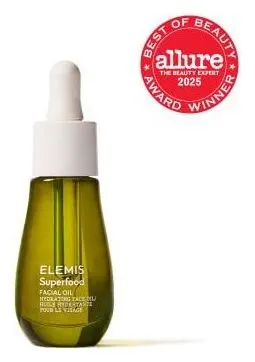
Elemis Superfood Facial Oil
Broccoli seed oil, linseed oil, cucumber oil, radish extract, squalane, and rosehip oil · combination, dry, normal skin · scented
AmazonBrand lists it for combination skin
Elemis ULTRA SMART Pro-Collagen Day Cream
ULTRA SMART Aqua Shuttle Technology, ULTRA SMART Line Fighting Complex, ULTRA SMART Resilience Complex · combination, dry, normal skin · scented
Amazon


All 9 products with Carrot Seed Oil
Daily Moisturizers & Water Gel Creams (3)
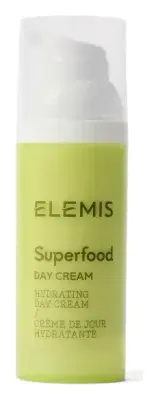

Face Oils & Treatment Oils (1)
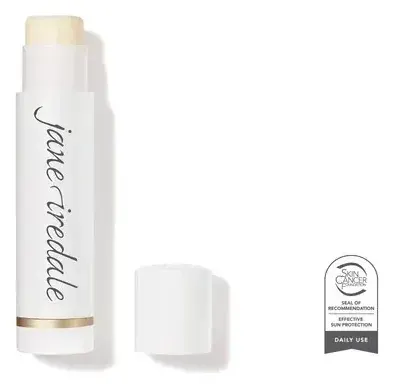
Intensive Lip Recovery Masks & Tinted Balms (1)
Cream & Gel Treatment Masks (1)
Gel, Foam & Cream Facial Cleansers (1)

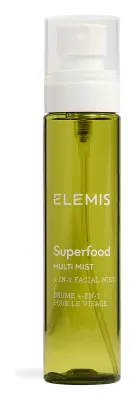
Hydrating Toners, Essence Waters & Face Mists (1)
Hydrating Serums, Essences & Ampoules (1)

Common questions
Is carrot seed oil the same as carrot root extract?
No. Carrot seed oil comes from the seeds, while carrot root extract is made from the root. Those materials differ in composition and should not be treated as interchangeable.
Is carrot seed oil an essential oil?
Not necessarily. The INCI name Daucus Carota Sativa Seed Oil refers to a seed oil, while carrot seed essential oil is a separate volatile preparation. Check the exact label name.
What does carrot seed oil do in skin care?
As a plant oil, it can soften skin and contribute a richer, emollient feel. The product label does not reveal its precise fatty-acid profile or freshness.
Does carrot seed oil expire?
Plant oils can oxidize over time, especially with heat, light and air exposure. Follow the package storage and use-by guidance, and stop using a product if its smell or appearance changes.