Dehydroacetic Acid
A preservative used to help protect water-containing cosmetics from spoilage during ordinary storage and use.
Extremely safeIn 16 products we cover
We may earn a commission when you buy through links on this page. It never changes what we recommend.
Quick facts
- INCI name
- Dehydroacetic Acid
- CAS number
- 520-45-6
- Origin
- Synthetic
- Chemical class
- Organic preservative acid
- What it does in a formula
- preservative
- Why it is in the formula
- It helps protect a product, especially a water-containing formula, from microbial spoilage.
What it is
Formulators use dehydroacetic acid as an organic cosmetic preservative to help protect water-based products against bacteria, yeast, and mold. It regularly appears in creams, lotions, and liquids where water, packaging, and everyday use expose formulas to contamination. A dependable preservation system helps ensure that products remain stable and usable over time.
A preservative is not an optional extra in every formula. It can work alongside packaging and careful storage, and some products use a blend of several ingredients rather than relying on one preservative alone. Dehydroacetic acid may be combined with phenoxyethanol or other preservatives such as parabens, depending on the formula.
What it does
- Helps limit microbial growth. It contributes to a product’s preservation system, which is especially important in products containing water.
- Supports product quality. A well-designed preservation system helps a formula remain suitable for normal use after opening.
- Works with the package. Preservatives complement suitable packaging and hygienic handling; they do not make storage directions irrelevant.
- Does not provide a skin-care active benefit. It is there to protect the product, not to moisturize or exfoliate skin.
Who it suits
Most people encounter dehydroacetic acid at a low level as one component of a finished formula. Its presence does not by itself predict whether a product will suit you. Preservatives help protect water-containing products from contamination, so choosing products only because they are called preservative-free is not automatically a better approach.
If you have a confirmed allergy or have repeatedly reacted to products containing this ingredient, you may wish to check the full label and discuss alternatives with a dermatologist. Reactions can have several possible causes, and one ingredient name cannot identify the culprit on its own. Stop using a product if it causes persistent irritation. Do not use a product that has changed noticeably in smell, color, or texture.
What to pair it with, and what not to
Dehydroacetic acid is not an active that needs to be paired with a serum or moisturizer. It is part of the formula’s preservation system, and you can use the finished product according to its label. Store it as directed and pay attention to the product’s period-after-opening guidance.
Skin Realist check: Preservation is not a glamorous job. Neither is cleaning out a spoiled moisturizer, so let the quiet work happen.
Quick picks with Dehydroacetic Acid
Scent-free, no patch-test flags on the label
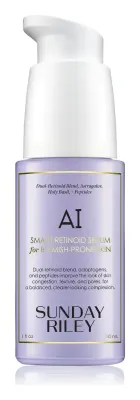
Sunday Riley A.I. Smart Retinoid Serum
Hydroxypinacolone Retinoate · scent-free label
AmazonBrand lists it for oily skin
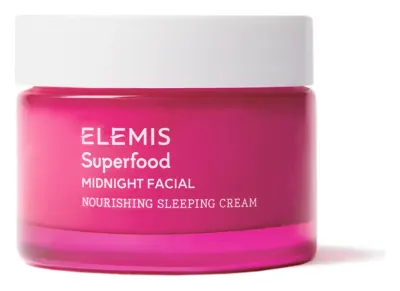
Elemis Superfood Midnight Facial
Cocoa seed butter, banana flower extract, camu camu, and prebiotic alpha-glucan oligosaccharide · combination, dry, normal, oily skin · scented
AmazonFeatured in our guides
Sunday Riley A+ High-Dose Retinoid Serum
Retinol + Hydroxypinacolone Retinoate · scent-free label
Amazon

All 16 products with Dehydroacetic Acid
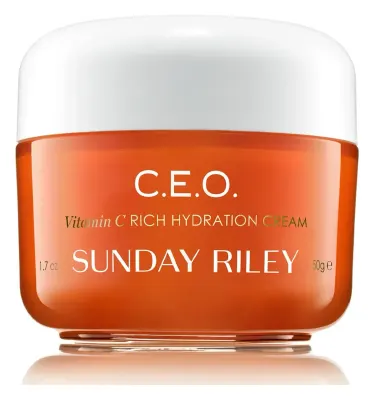
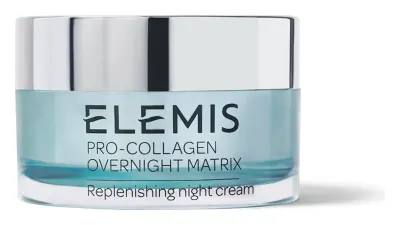
Daily Moisturizers & Water Gel Creams (4)

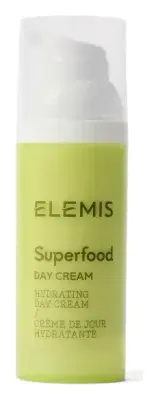
Body Creams, Butters & Body Oils (4)
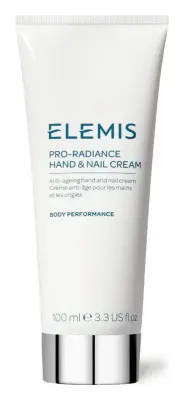
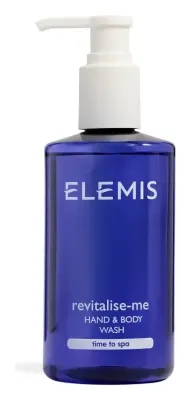
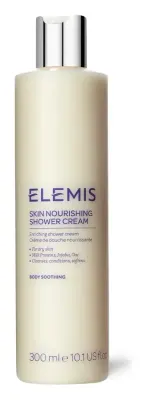
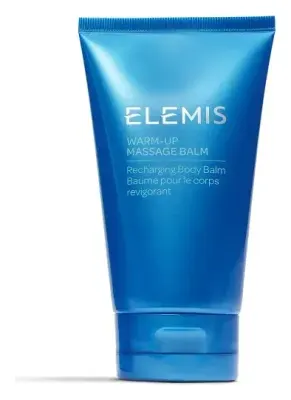
Anti-Aging & Retinoid Serums (2)
Mineral Pressed Powders & Skin-Nourishing Primers (2)
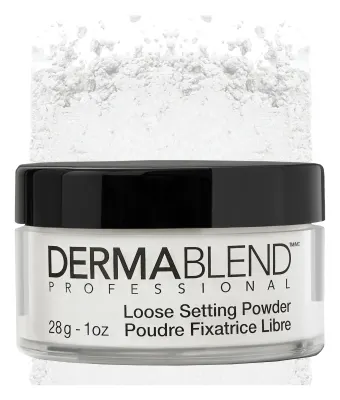
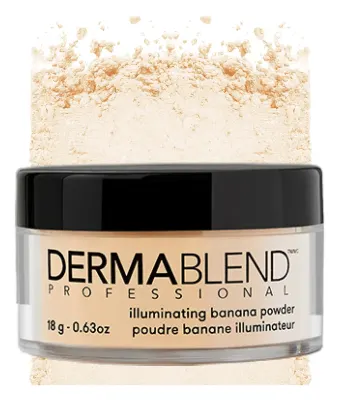
Premium Overnight Recovery Packs & Sleeping Facials (1)
Targeted Vitamin C & Brightening Correctors (1)
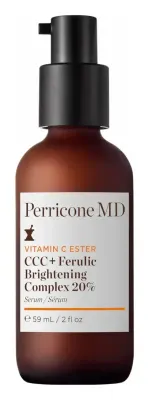
Dermatological Acne & Chemical Exfoliating Liquids (1)
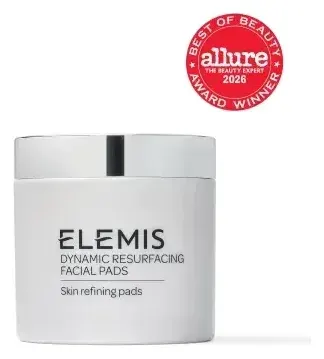
Premium Double-Cleansing Balms & Melting Gels (1)
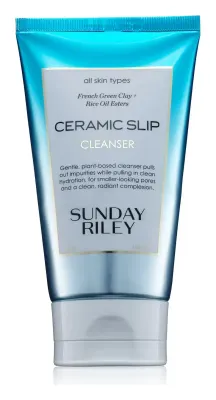
Common questions
Why is dehydroacetic acid in skincare?
It is used as a preservative to help limit microbial growth in cosmetic products. This matters especially for formulas that contain water and are opened repeatedly.
Is dehydroacetic acid the same as hyaluronic acid?
No. The shared word acid is not a useful guide to their function. Dehydroacetic acid is used as a preservative, while hyaluronic acid is commonly used as a humectant.
Is dehydroacetic acid a natural preservative?
It is a defined chemical compound used as a cosmetic preservative. The name alone does not tell you how it was manufactured or make it a plant extract.
Can I use skincare with dehydroacetic acid?
It is widely used as one part of a product's preservation system, though any individual may have a sensitivity. If you have a known allergy or a recurring reaction, check the full label and ask a dermatologist.