Dicaprylyl Ether
What dicaprylyl ether does in skincare, why it makes products spread smoothly, and what its lightweight feel does and does not mean.
Extremely safeIn 11 products we cover
We may earn a commission when you buy through links on this page. It never changes what we recommend.
Quick facts
- INCI name
- Dicaprylyl Ether
- CAS number
- 629-82-3
- Origin
- Plant-derived or Synthetic
- Chemical class
- Fatty ether
- What it does in a formula
- emollient, skin conditioning, solvent
- Why it is in the formula
- Usually used as a lightweight emollient to improve slip and soften the finish of a cream or oil.
What it is
As a fast-spreading emollient made from caprylic-chain fatty material, dicaprylyl ether provides light glide without a heavy or greasy finish. It is a fatty ether rather than a silicone or triglyceride-rich plant oil. Listed by its INCI name Dicaprylyl Ether, its sourcing and manufacturing routes vary by supplier, so the ingredient name alone does not provide a complete account of origin.
You may see it in facial moisturizers, sunscreens, makeup, and body products. It softens skin and helps a formula spread, and it may help dissolve oil-soluble ingredients. The feel depends on the overall blend: an emollient that feels light on its own can still be part of a rich cream. It is a supporting ingredient, not the reason to buy a product, and the label does not reveal how much is used.
What it does
- Softens skin. Dicaprylyl ether is an emollient that gives skin a smoother, more conditioned feel.
- Adds slip. It helps a product spread evenly and can make the finish feel silky.
- Can act as a solvent. It may help dissolve some oil-compatible ingredients in a formula.
- Keeps the finish lighter. Compared with some richer oils, it is often selected for a less greasy after-feel, though the whole formula still matters.
Who it suits
Dicaprylyl ether may appeal if you like a light emollient feel, but the full formula matters more than one ingredient. A product containing it can still feel rich if it also has heavier oils or waxes. There is no reliable universal comedogenic number. If you have a known sensitivity, introduce the product gradually and review the entire label if irritation recurs.
What to pair it with, and what not to
There is no ingredient you need to pair with dicaprylyl ether. It may be blended with humectants such as glycerin in a moisturizer, with the humectant attracting water and the emollient adding softness. Use the product as directed and avoid adding several oils just because this one is described as lightweight. If you prefer less residue, use a smaller amount or choose a different formula.
Skin Realist check: Lightweight is a feel, not a promise that every face will agree with a formula.
Quick picks with Dicaprylyl Ether
Scent-free, no patch-test flags on the label
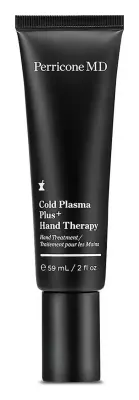
Perricone MD Cold Plasma Plus+ Hand Therapy
Shea butter, phospholipids and glycine · oily, dry, combination, sensitive, normal skin · scent-free label
AmazonBrand lists it for sensitive skin
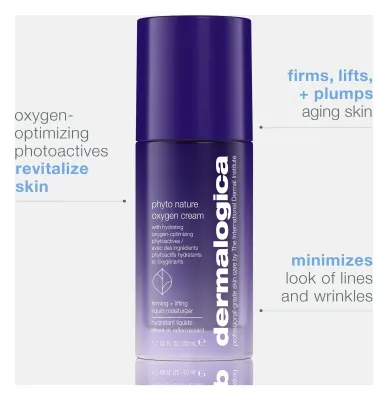
Dermalogica phyto nature oxygen cream
Ligustrum lucidum seed extract, glycogen, and nasturtium flower · oily, dry, combination, sensitive, normal skin · scented
AmazonBrand lists it for oily skin
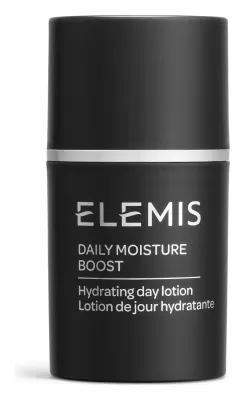
Elemis Daily Moisture Boost
Polynesian Green Tamanu Oil, chestnut extract, cactus flower extract · combination, dry, normal, oily skin · scented
Amazon
All 11 products with Dicaprylyl Ether
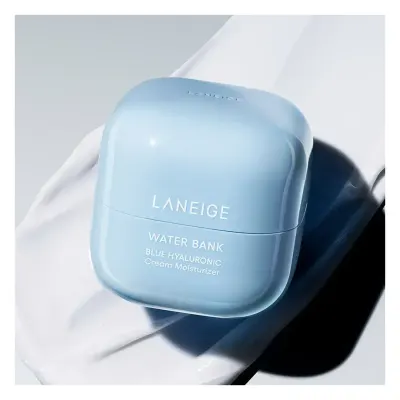
Daily Moisturizers & Water Gel Creams (3)
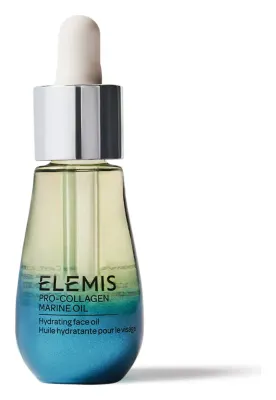
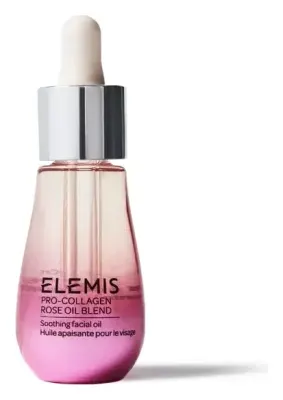
Face Oils & Treatment Oils (2)
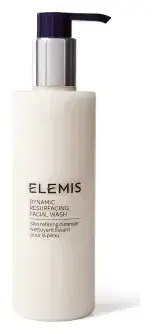
Gel, Foam & Cream Facial Cleansers (2)

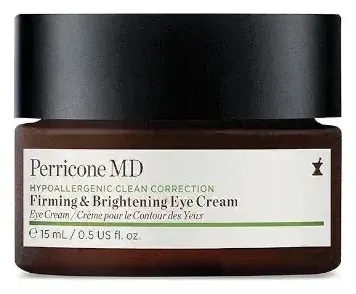
Eye Creams & Under-Eye Patches (2)

Body Creams, Butters & Body Oils (1)
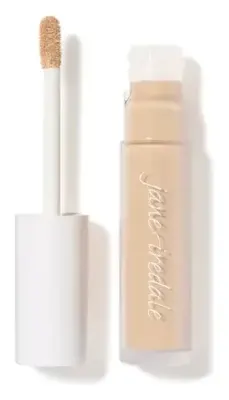
High-Definition Camouflage Concealers (1)
Common questions
What does dicaprylyl ether do in skincare?
It is an emollient that helps soften skin and gives products a smooth, spreading feel. It may also help dissolve some oil-soluble ingredients.
Is dicaprylyl ether a silicone?
No. It is a fatty ether, not a silicone. It is used to create slip and a lightweight emollient feel, but the chemistry is different.
Is dicaprylyl ether natural?
It can be made using fatty feedstocks and manufacturing processes. The label does not identify whether a particular material came from a plant source or another route.
Can dicaprylyl ether clog pores?
There is no reliable universal comedogenic number for this ingredient or a finished product. If you are concerned about how a rich product feels, introduce it on a small area and see how your skin responds.